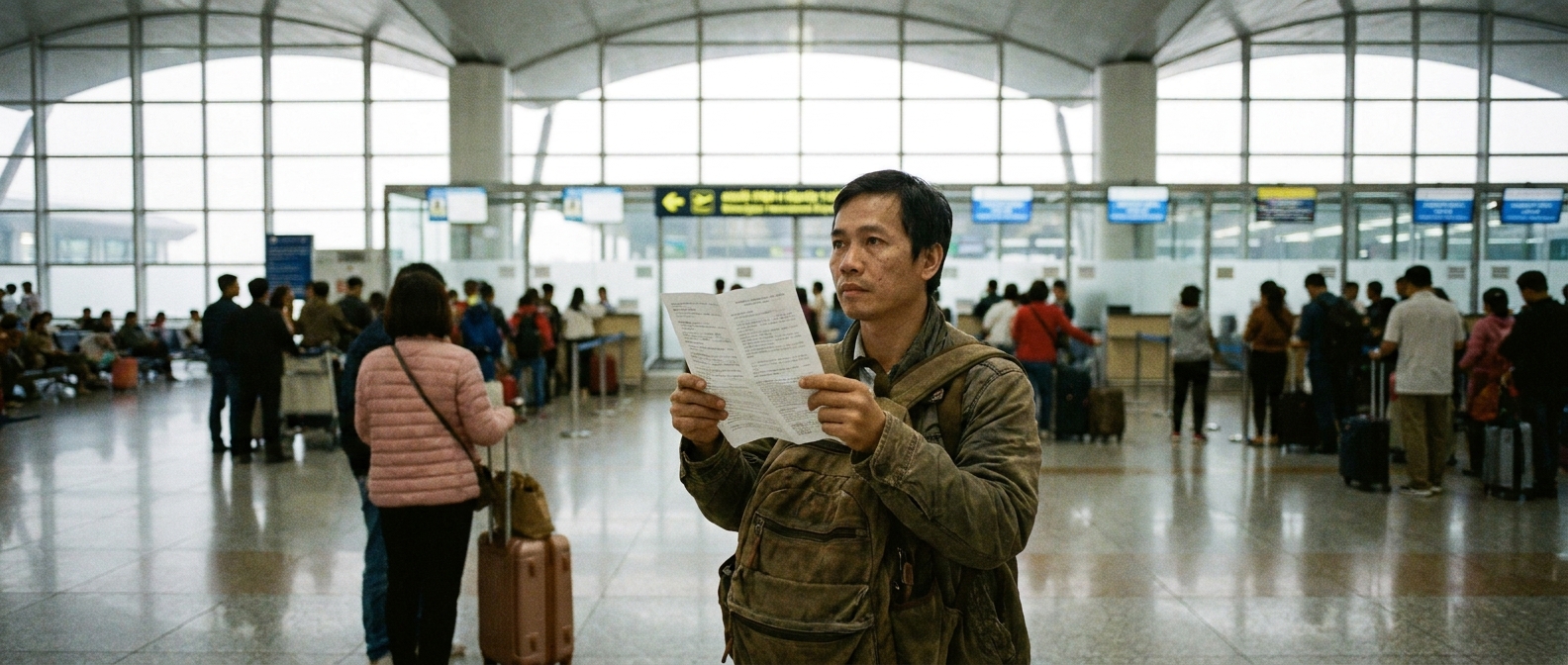
You have submitted your e-visa application, paid the fee, and received that initial acknowledgement email. Now comes the part that defines the first few days of any Vietnam trip: the waiting game. Checking your status doesn’t have to be a source of anxiety, but it does require knowing exactly where to look and how to interpret the digital trail left by the immigration department. The only official portal for this process is https://evisa.xuatnhapcanh.gov.vn/. Anything else—any site ending in .com, .net, or .org that claims to be a direct portal—is a third-party agency. These private entities often provide their own tracking links, but they are not the source of truth for the Vietnamese government.
When you land on the official page, navigate to the “Search” tab. You will be greeted by three mandatory fields: your registration code, your email address, and your date of birth. The registration code is the long string of numbers and letters you received in that first email; keep it safe, because without it, you are effectively invisible to the system. The email address must be the exact one you used during the application, and the date of birth format is strictly DD/MM/YYYY. If you get a “no record found” message, double-check your registration code for common typos like mistaking a capital “O” for a zero or an “I” for a one. These systems are notoriously unforgiving.
Mastering the portal and handling common roadblocks
The captcha is where most applicants stumble. In 2026, the portal often uses a visual verification box that requires you to enter the characters shown in a distorted image. If the code is illegible, don’t keep guessing; the system will lock you out after a few failed attempts. Simply click the refresh button next to the captcha to generate a new, clearer set of characters. If you are stuck on a “no record found” screen for a legitimate application, take a breath. It can sometimes take 48 hours for a submission to populate in the search database, even if you have received your payment confirmation. Refreshing the page every five minutes will not speed up the processing time of a human immigration officer.

Once you successfully access your profile, you will see one of three statuses. “Processing” is the most common and requires nothing but patience. “Granted” means your e-visa is ready for download; make sure to save the PDF and print at least two hard copies, as airline staff at check-in will almost always ask for a physical document. If you see “Declined,” it usually means a document was rejected, likely due to a blurry passport photo or an obscured personal information page. Do not panic if you see this, as you can often resubmit the corrected information through the same portal without paying the full fee again. Once you have cleared this hurdle, you can start focusing on the actual itinerary, perhaps planning a relaxing ride through the karst landscape of Ninh Binh or scouting the best local spots for breakfast.
Many travelers waste hours refreshing their status check long after they have already received their confirmation email. If the status says “Granted,” you are done. The portal will not give you additional, secret information or faster processing just because you checked it twice. Instead, use that time to organize your arrival logistics. Knowing your hotel address in Vietnam is a requirement for the arrival card, and having a plan for your first few days—like searching for the best early-morning bowl of pho in Hanoi—is a much better use of your energy than obsessing over a static webpage. If you notice your application has been “Processing” for more than seven business days, that is the only time you should consider reaching out to the official immigration support email provided on their site.
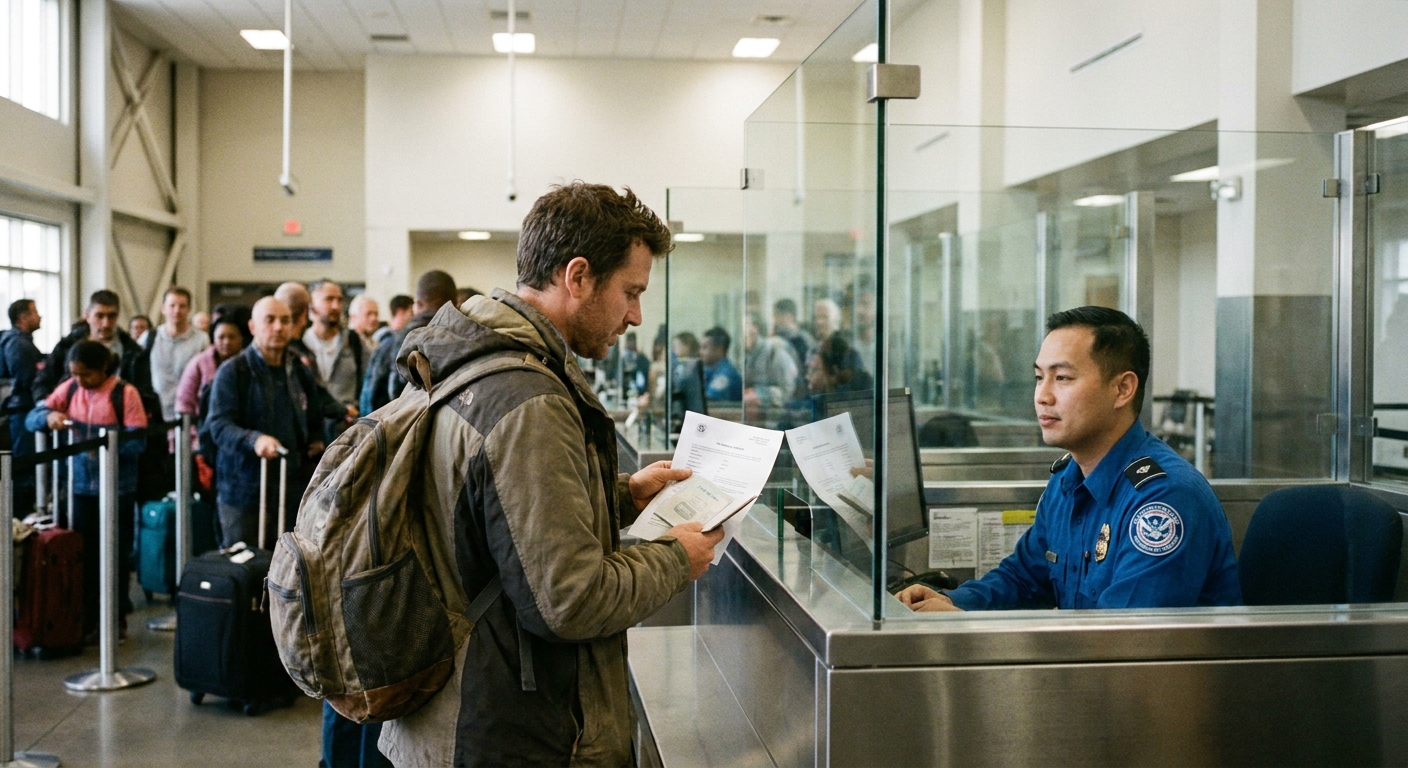
Ultimately, the Vietnam visa check status process is a test of patience rather than technical skill. The system is designed to be functional, not fancy. Stick to the official government URL, ensure your personal data input is pixel-perfect, and avoid the temptation to rely on secondary, look-alike sites that promise “expedited” updates. If you have provided clear, high-resolution scans of your passport and followed the photo guidelines, your approval is simply a matter of when, not if. Once the status changes, download your document, pack your bags, and prepare for the realities of the ground, whether that involves navigating the bustling traffic of the cities or finding the quiet corners of the countryside.