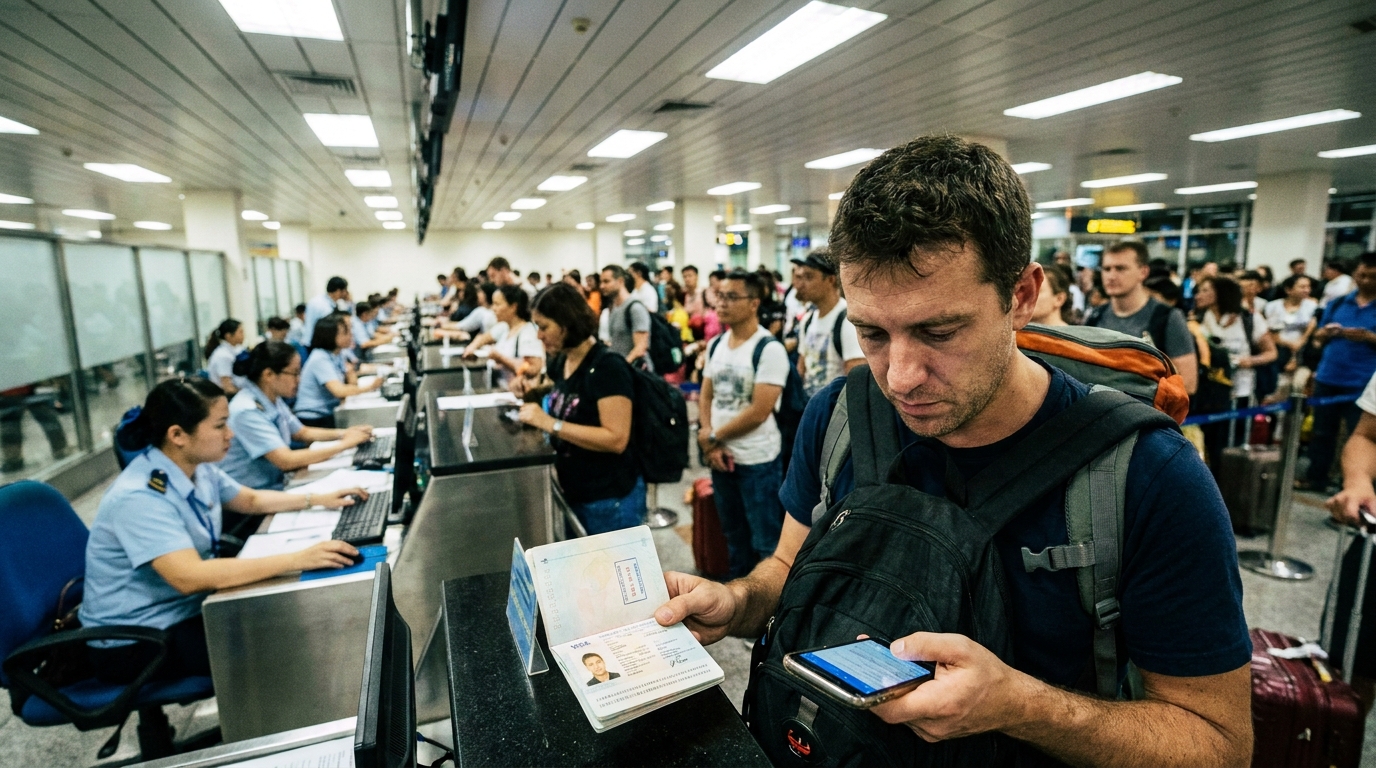
You are standing in the middle of a bustling intersection in Hanoi, humidity clinging to your skin, refreshing the immigration portal for the fifth time in as many minutes. The screen shows a loading spinner that never quite resolves, or worse, it displays a status that hasn’t changed in three days. You aren’t alone in this digital purgatory. Many travelers attempting to check their vietnam evisa status mobile find that the information displayed on a handheld device often contradicts what appears on a laptop. It is a source of genuine frustration, especially when your flight is looming and the system seems to be holding your travel plans hostage with inconsistent data.
The core of the problem lies in how the official Vietnam immigration portal interacts with various mobile browser engines. The portal relies on a somewhat rigid JavaScript architecture that was designed primarily for desktop resolution and standard browser behaviors. When you access the site from your phone, the browser often attempts to compress or re-render elements to fit a smaller screen. Frequently, this process triggers a partial load of the site’s underlying scripts. You might see the text of your status, but the interactive components—the ones that pull live data from the backend database—fail to execute, leaving you looking at a cached snapshot of the page from your last visit.
Furthermore, mobile-data redirect chains play a significant role in this technical disconnect. When you are on roaming data or a local SIM card, your connection might pass through several proxy servers before hitting the government server. If one of these proxies caches the page, you are effectively looking at a ghost of the website rather than the live database. Even if you are not currently traveling, it is worth noting that while you wait for that green light, you might consider how you will eventually spend your time once you arrive, perhaps by exploring the Hanoi craft beer street for a slow loop around Ta Hien to calm your nerves.
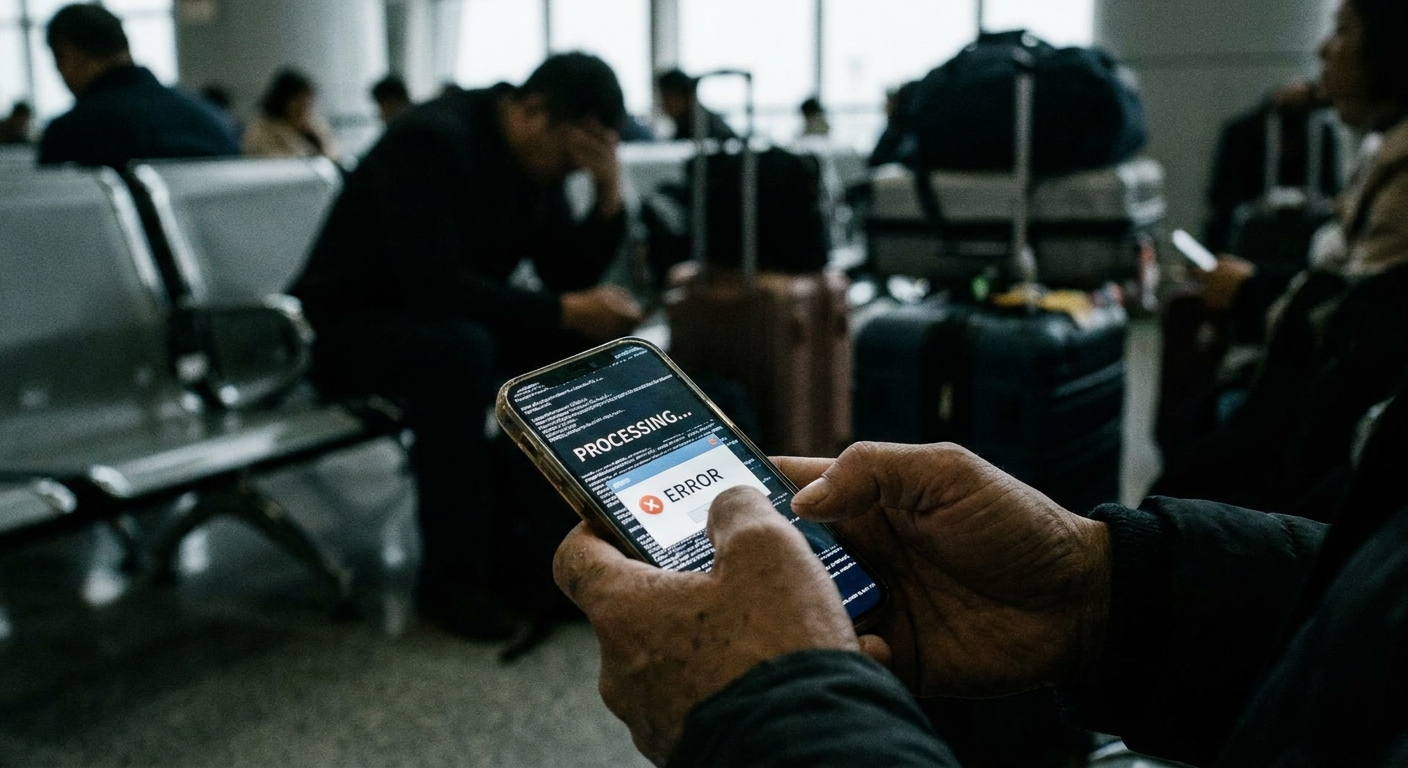
Troubleshooting the Mobile Portal Discrepancies
If you find yourself stuck in a loop of uncertainty, there are a few tactical steps you can take to force the browser to communicate properly with the immigration server. First, stop relying on the mobile view entirely. Most modern mobile browsers, such as Chrome or Safari, allow you to switch to a desktop site version. This forces the browser to bypass the mobile-specific rendering, which is often where the data truncation occurs. Additionally, clear your browser’s cache and cookies specifically for the immigration portal domain. Stale data stored locally on your phone is frequently the culprit behind the site showing “Processing” when, in fact, the status has been updated to “Granted.”
If the desktop view still fails to update, try using an entirely different browser engine. If you are on an iPhone and using Safari, switch to Chrome or Firefox. These apps operate on different rendering frameworks, which can sometimes bypass the specific bottlenecks that prevent the portal from displaying correctly. If you are still seeing conflicting information, it is time to stop the mobile experiment and move to a computer. When the discrepancy is truly between a mobile device and a desktop, the desktop result is almost universally the accurate one. Treat the mobile information as purely speculative until you have verified it on a hardwired or stable desktop connection.

There are instances where a mobile-versus-desktop discrepancy is purely cosmetic, such as minor layout shifts or missing decorative elements. These don’t matter. What does matter is the text of your application status and the registration code. If your code, passport number, and date of birth match, the desktop view provides the final word. It is tempting to panic when you check your Phong Nha cave country trip details only to see your visa hasn’t updated yet, but remember that the portal is a government database, not a social media feed. It does not update in real-time in the way we have come to expect from modern apps.
Ultimately, if you need to check vietnam evisa status phone interactions should be treated as a secondary method. If you are at a hotel, use their business center or ask to borrow a laptop. Relying on a mobile browser to manage high-stakes immigration documentation is a recipe for unnecessary stress. By forcing a desktop view and clearing your cache, you can usually bypass the erratic behavior of the mobile interface. The system isn’t necessarily lying to you, but it is certainly failing to interpret the mobile-native handshake with any degree of consistency. Trust the desktop, keep your registration code close, and focus on the logistics of your upcoming trip rather than the quirks of the immigration portal’s mobile responsiveness.