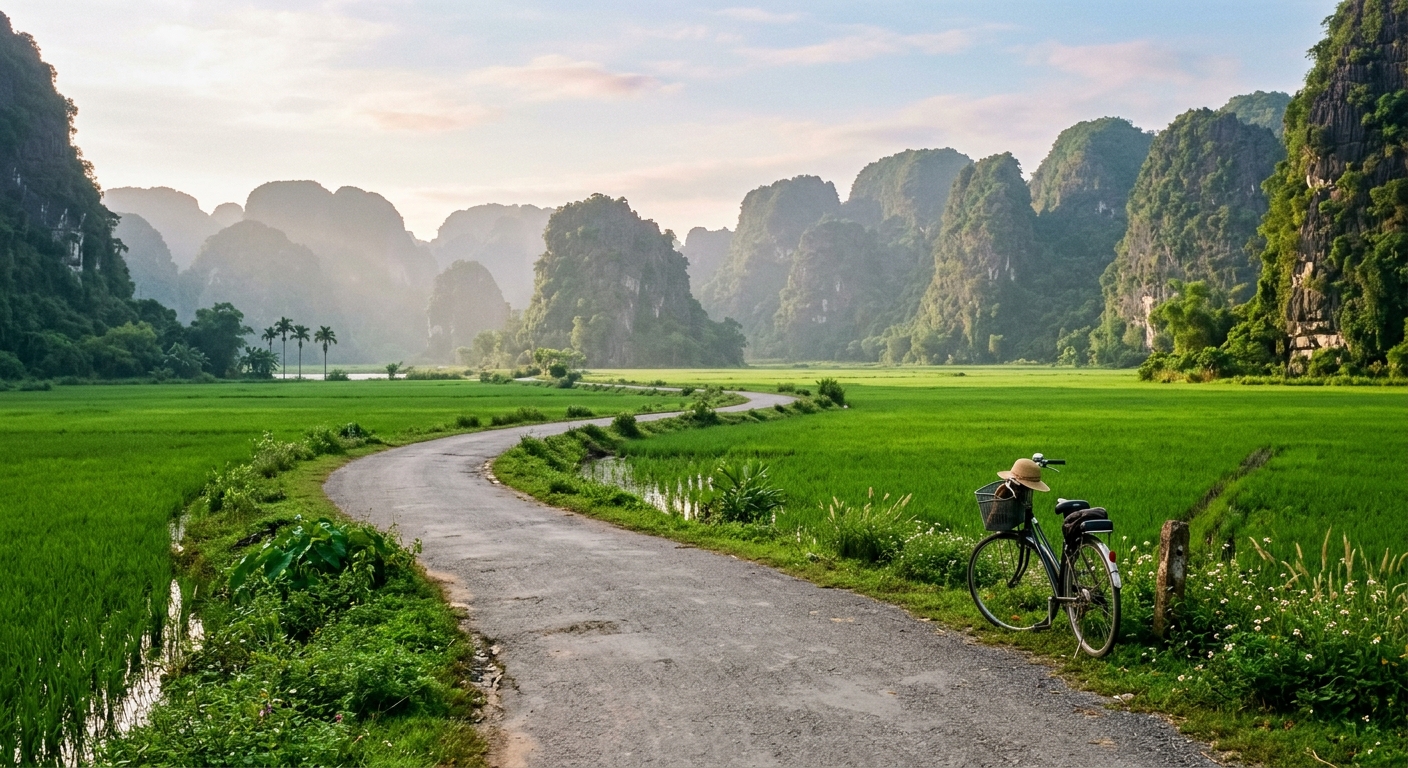
The karst mountains of Quang Binh province rise from the flat rice paddies like jagged teeth, ancient and imposing. For many, this region is synonymous with Son Doong, the world’s largest cave, which requires a small fortune and a year-long waiting list to explore. But for the vast majority of travelers, the true magic of this UNESCO World Heritage site doesn’t require a permit from the Ministry of Defense or a budget the size of a mid-sized sedan. Phong Nha-Ke Bang National Park is a masterclass in accessible subterranean wonder, where a single day can be spent drifting through river-fed caverns and scrambling over mud-slicked limestone.
Most travelers set their base in Phong Nha village, a laid-back collection of hostels and homestays that hugs the Son River. Mornings here are usually spent over a strong Vietnamese iced coffee, watching the mist clear off the jungle canopy. When you book a standard phong nha cave tour, you aren’t sacrificing quality for price; you are simply opting for a more kinetic, modular way to see the geology of Vietnam. The logistics are surprisingly straightforward, usually involving a shared van that loops through the park’s primary circuit.
Subterranean Adventures Without the Expedition Price Tag
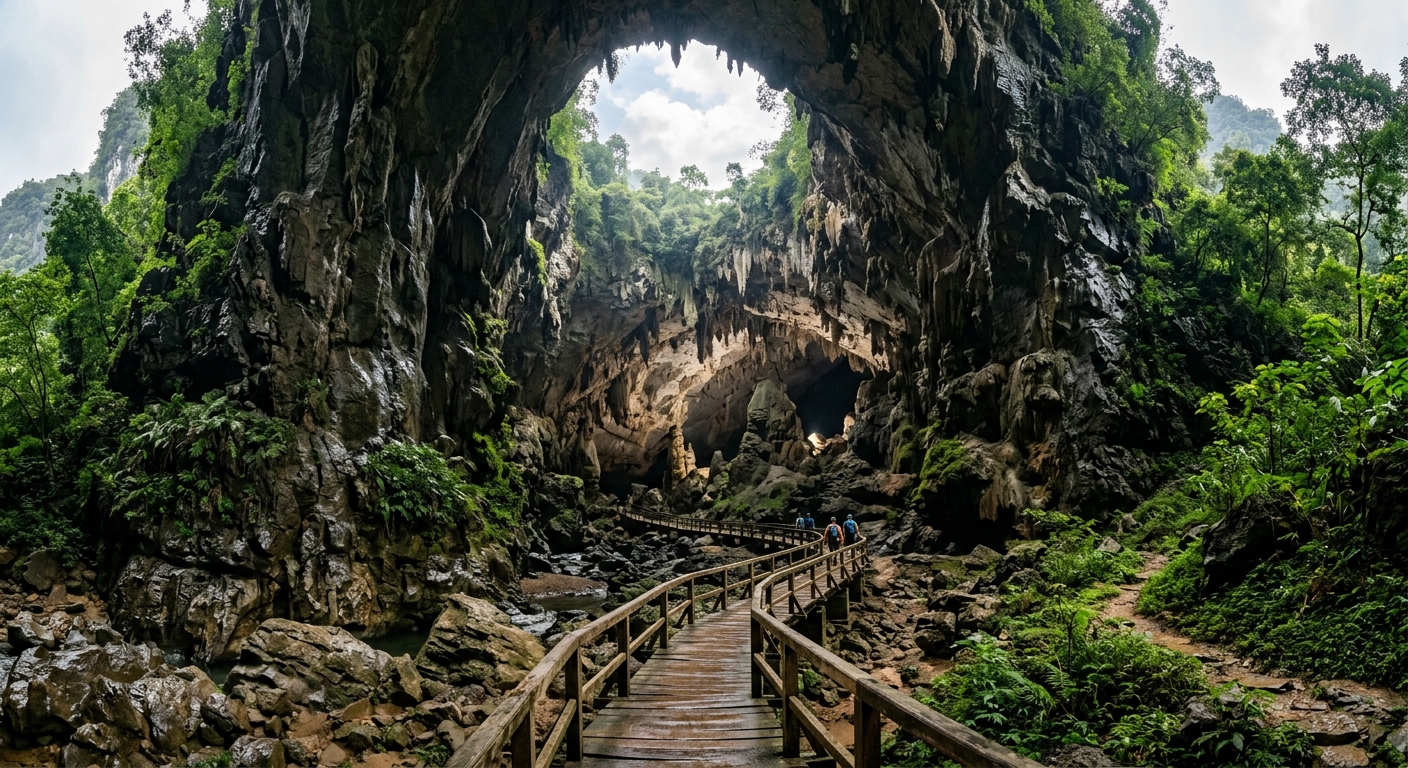
Your first stop is almost inevitably Paradise Cave Vietnam. The name sounds like marketing hyperbole, but the scale of the interior is genuinely staggering. A wooden boardwalk stretches for over a kilometer into the cavern, flanked by stalactites that resemble weeping candles and alien spires. Because the cave is so vast, the silence inside is heavy, broken only by the drip of limestone-filtered water and the distant echo of other travelers. It is a place that demands you walk slowly. The sheer volume of the space—some ceilings reach 72 meters in height—makes you feel impossibly small in the best way possible.
After the silent grandeur of Paradise Cave, the energy shifts entirely at Dark Cave. This is where the day gets messy, literal, and loud. You arrive at a turquoise river pool nestled against a limestone cliff, where the zipline drops you directly into the bracingly cold water. From there, you swim to the cave entrance. The air inside the cave is thick and humid, but the highlight is the deep, thick mud bath located in the cavern’s narrowest section. You aren’t just looking at geological features here; you are physically submerged in them. The dark cave kayak segment follows, a short but memorable paddle back toward the main station under the bright, open sky of the park.
A typical one-day itinerary in this region usually looks like this:
- Early breakfast and bike ride or scooter rental to the park entrance.
- Mid-morning exploration of the dry sections of Paradise Cave.
- Lunch near the Chay River featuring local grilled pork or spring rolls.
- Afternoon session of ziplining, caving, and mud-bathing at Dark Cave.
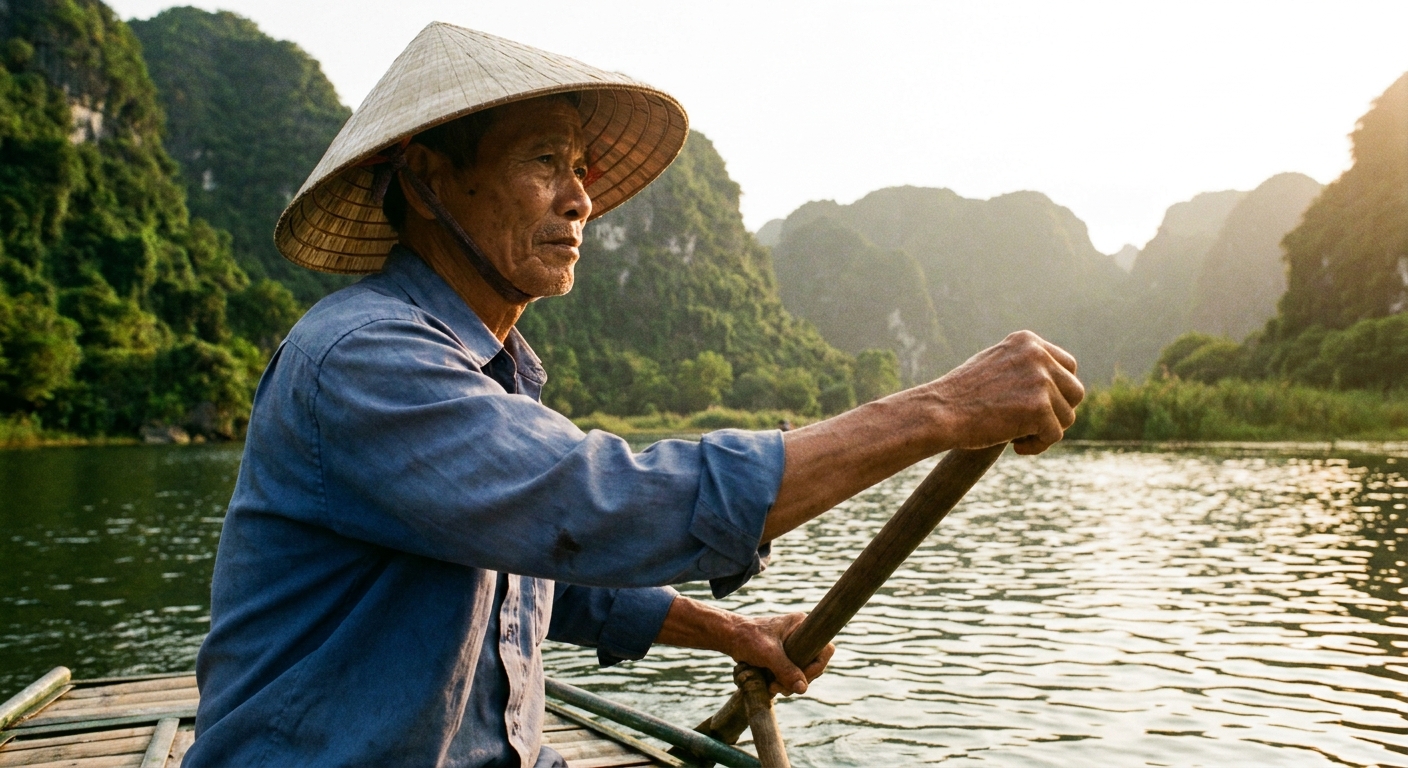
Managing this yourself is entirely possible, though organized tours are remarkably efficient for those who dislike the overhead of bike maintenance or park entrance tickets. If you opt for a tour, the benefit is the gear: headlamps, helmets, and lockers are managed for you, which is a significant logistical relief when you are covered in sticky, mineral-rich mud. The guides in this area are generally local, funny, and deeply proud of their landscape, often pointing out endemic species of insects or rare rock formations that you would surely walk past if you were traveling solo.
The transition from the cool, dark recesses of the earth back to the humid jungle outside is always the most striking part of the experience. By four in the afternoon, the light begins to golden, casting long shadows across the valley. You will likely be tired, your skin will smell faintly of limestone dust and river water, and you will have seen enough geological history to satisfy even the most curious mind. As you head back to the village, the locals start firing up the grills along the riverside. A cold beer paired with a plate of river fish while watching the sun dip behind the mountains is the standard way to conclude a day of exploration. It isn’t an expedition into the depths of a five-day cavern trek, but it is a visceral, tactile connection to one of the most stunning landscapes in Southeast Asia.
The charm of this region lies in its lack of pretension. You don’t need fancy equipment or advanced climbing skills to stand in the middle of a cathedral-like cavern that has remained undisturbed for millions of years. You just need to show up, embrace the mud, and be willing to walk. The karst peaks will remain, the river will keep flowing, and the caves will continue to hide their secrets, whether you are on a high-budget expedition or simply out for a day of discovery. That accessibility is what makes this corner of Vietnam so enduringly popular among those who prefer to spend their money on experiences rather than exclusivity.