Yes, $1000 is more than enough for a comfortable week in Vietnam, even accounting for current 2025 inflation. This budget allows for luxury accommodation, domestic flights, and private tours. Most travelers find that $1000 covers a high-end seven-day trip, whereas a modest backpacker budget typically requires only $350 to $500 total.
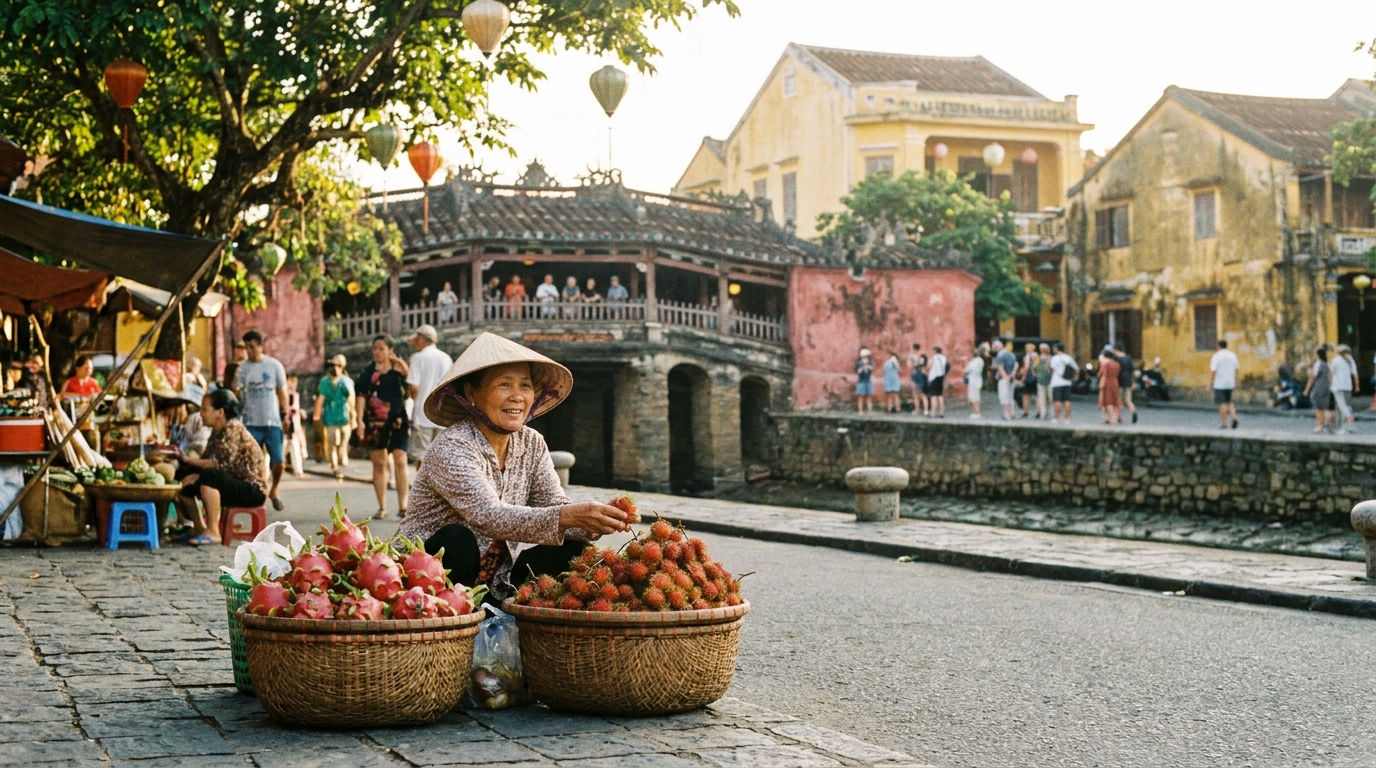
For a one-week stay in 2025, a $1000 budget places you firmly in the luxury travel bracket. While the average mid-range traveler spends between $50 and $80 per day, your $142 daily allowance permits high-end experiences across major hubs like Hanoi, Da Nang, and Ho Chi Minh City. You can easily secure premium boutique hotels for $80 per night, leaving over $60 daily for fine dining, private car transfers, and guided excursions. Domestic flights between major cities typically cost between $40 and $90 when booked two weeks in advance, fitting comfortably within this generous weekly allocation.
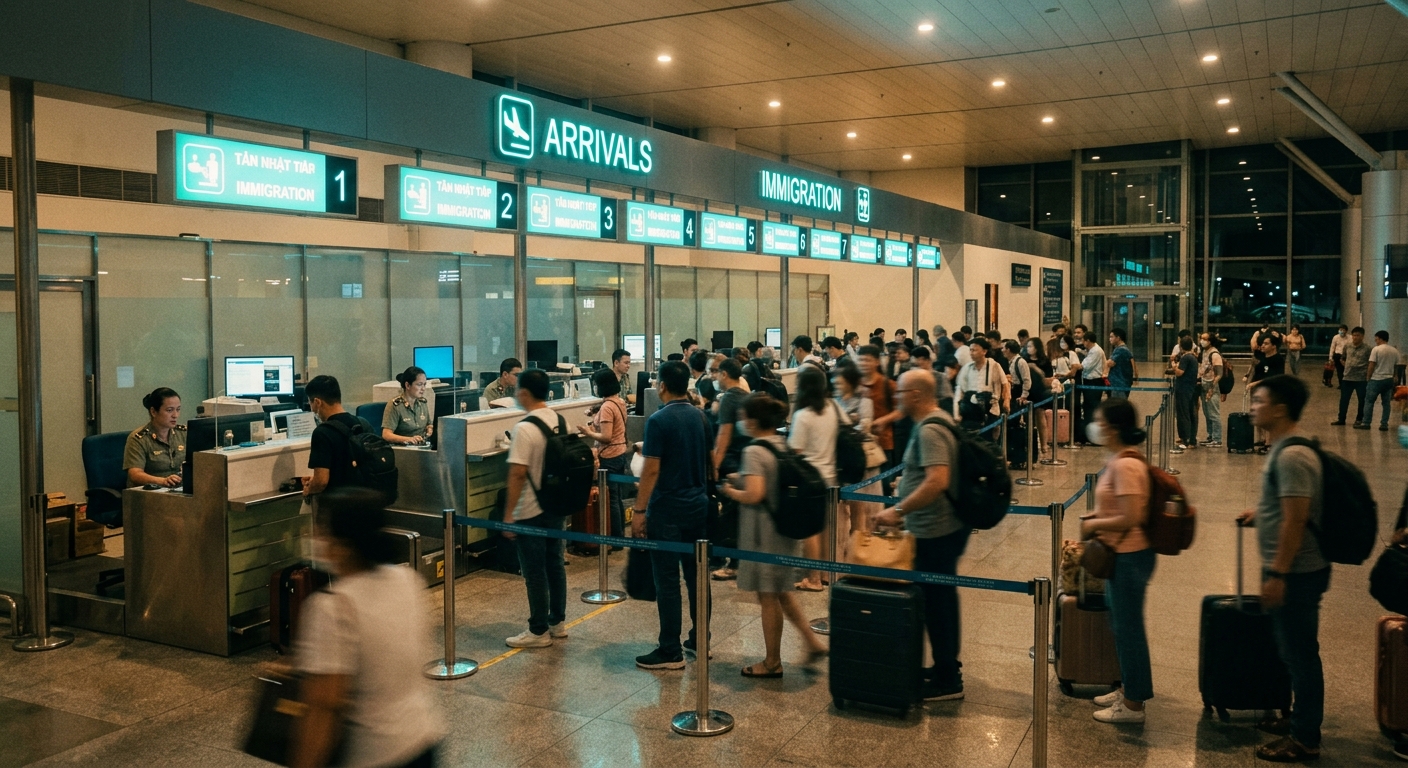
When planning your arrival, account for the mandatory e-visa fee of $25. Immigration officers at Noi Bai and Tan Son Nhat airports operate 24/7, but processing times can extend during peak holiday windows like Tet. If you land on a weekend or a public holiday, expect standard entry procedures, though visa-on-arrival is no longer the default for most nationalities. Budgeting $1000 allows you to bypass the cheaper, crowded sleeper buses in favor of private taxis or domestic air travel, which saves significant time. A private car from Da Nang airport to Hoi An costs approximately $15, while a taxi from Tan Son Nhat into central Ho Chi Minh City usually runs under $10.
Food costs remain stable despite rising global prices. A high-end meal at a top-rated establishment in District 1 or the Old Quarter rarely exceeds $30 per person including drinks. Street food remains the heartbeat of the country, where a bowl of pho or a banh mi costs between $1.50 and $3.00. By choosing a mix of local street stalls and upscale dining, you will find your daily food expenditure rarely exceeds $25, even with artisanal coffee and fruit juices included. If you plan to visit popular attractions like the Ha Long Bay cruises or the Ba Na Hills complex, these will be your largest single expenses, often ranging from $120 to $250 for premium, all-inclusive packages.
Working-day math is essential for your logistics. Government offices and banks typically operate Monday through Friday from 8:00 AM to 5:00 PM, often closing for a two-hour lunch break between 12:00 PM and 2:00 PM. If you need to handle paperwork or currency exchanges at official bank branches, schedule these for weekday mornings to avoid delays. ATMs are ubiquitous in urban centers, but they often have withdrawal limits of 2,000,000 to 5,000,000 VND per transaction. With a $1000 budget, you should carry a mix of USD for emergency conversion and local currency, as many smaller vendors in rural areas still operate exclusively on cash. By prioritizing digital payments for hotels and flights, you keep your physical cash for the authentic, smaller experiences that define a week in Vietnam.
Related questions
Is $4000 a month good in Vietnam?
A monthly budget of $4000 is considered high-end and provides a luxury lifestyle in Vietnam. You can rent a modern, serviced apartment in prime districts of Ho Chi Minh City or Hanoi for $800 to $1200, leaving ample funds for daily fine dining, frequent domestic travel, and premium entertainment throughout the country.
What’s the best month to visit HCMC?
The best time to visit Ho Chi Minh City is during the dry season, specifically from December to February. During these months, humidity levels are lower and temperatures remain pleasant, ranging from 22°C to 32°C. This period avoids the heavy monsoon rains that characterize the city from May through November.
Which month to avoid Hanoi?
Travelers often prefer to avoid July and August in Hanoi due to intense heat, high humidity, and the peak of the rainy season. These months frequently experience heavy downpours and occasional typhoons that can disrupt travel plans, sightseeing, and outdoor activities in the city and surrounding northern mountain regions.
Which is the cheapest month to fly to Vietnam?
September and October are generally the cheapest months to fly to Vietnam. These months fall outside of the major summer holiday surge and the busy Tet lunar new year period. By booking mid-week flights during this shoulder season, you can often secure significantly lower airfares compared to the winter peak.