The optimal time to fly to Vietnam is between February and April, when temperatures are moderate and rainfall is minimal across all three regions. While the dry season technically spans December to April, these spring months offer the most consistent weather for travel, ensuring fewer flight delays due to seasonal storms.

Planning a trip to Vietnam requires balancing regional climate variations with peak travel demand. Vietnam stretches over 1,600 kilometers, meaning the weather in Hanoi, Da Nang, and Ho Chi Minh City often differs significantly on the same day. For most travelers, the window between February and April provides the highest probability of clear skies and manageable humidity. During this period, temperatures in the north hover around 20 to 25 degrees Celsius, while the south remains warm without the oppressive heat peaks seen in May.
Budgeting for flights requires an understanding of the lunar calendar. Tet, the Vietnamese Lunar New Year, typically falls in late January or early February. During this two-week period, domestic flight prices can triple, and major hubs like Noi Bai and Tan Son Nhat experience extreme congestion. If you fly during the week leading up to Tet, expect limited availability and significantly higher fares. Conversely, flying in mid-May or September often yields the lowest airfare, with international round-trip tickets sometimes dropping to the $800 range from major Western hubs, compared to $1,400 during peak holiday windows.
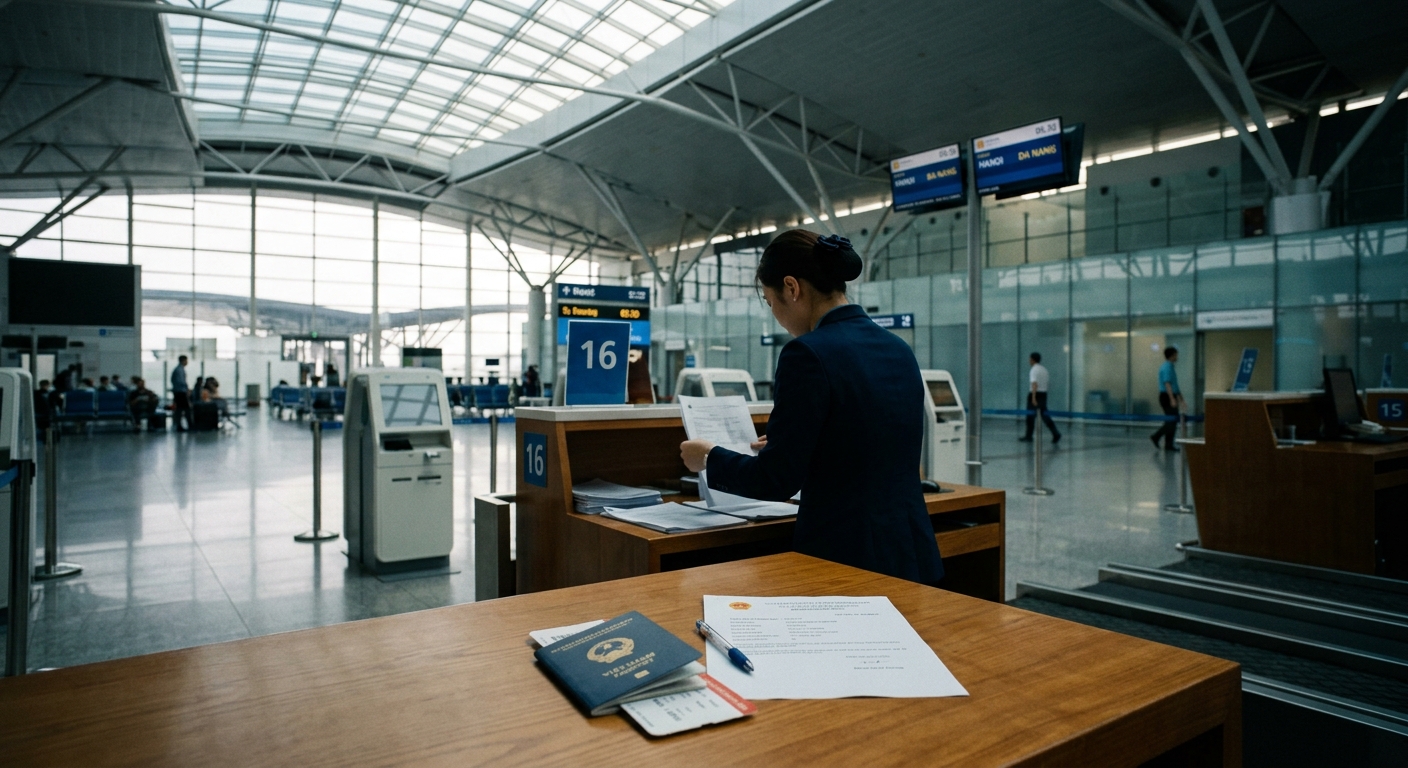
Government office hours and administrative processing times impact your arrival experience. Immigration officers at major airports operate 24/7, but e-visa processing times officially take three to five working days. If you arrive on a Friday afternoon, your visa status might not update until the following Tuesday, as weekends are not considered working days by the Vietnam Immigration Department. Always print your e-visa approval letter before boarding your flight, as digital copies are frequently rejected at check-in counters in international departure airports.
Logistics at major ports vary by infrastructure. Tan Son Nhat in Ho Chi Minh City is currently operating at overcapacity, which often leads to tarmac delays and longer wait times for baggage claim. Expect to spend at least 90 minutes clearing immigration during peak hours between 10:00 PM and 2:00 AM, when many international flights land. Da Nang International Airport is generally more efficient, with shorter queues and faster transit times. If your itinerary allows, routing through Da Nang can save you several hours of airport processing time compared to the busier hubs in Hanoi or Ho Chi Minh City.

For those tracking seasonal weather, avoid the central coast provinces like Hue and Hoi An during October and November. This is the peak of the typhoon season, and heavy rainfall often leads to localized flooding and temporary airport closures. If you must travel during these months, prioritize destinations in the far north or the deep south, which are less susceptible to the specific storm patterns that impact the central corridor. Always check the official government flight status portal 24 hours before departure to account for potential weather-related schedule shifts.
Related questions
What cities fly directly to Vietnam?
Vietnam’s three primary international gateways are Noi Bai International Airport in Hanoi, Tan Son Nhat International Airport in Ho Chi Minh City, and Da Nang International Airport. These hubs receive the vast majority of direct international traffic, connecting to major cities across Southeast Asia, East Asia, Europe, and increasingly, North America.
Can you fly direct from the US to Vietnam?
Yes, direct flights from the United States to Vietnam are available. Vietnam Airlines currently operates non-stop service from San Francisco International Airport to Tan Son Nhat International Airport in Ho Chi Minh City. These long-haul flights typically utilize wide-body aircraft like the Airbus A350 and have a flight duration of approximately 16 to 17 hours.
Is there a direct flight to Ho Chi Minh from the USA?
Yes, direct flights connect San Francisco to Ho Chi Minh City. While this is currently the only non-stop route from the US, many travelers opt for one-stop flights via hubs like Tokyo, Taipei, or Seoul. These alternative routes often provide more competitive pricing and greater flexibility regarding arrival times at Tan Son Nhat.
Who flies direct to Hanoi?
Hanoi’s Noi Bai International Airport receives direct flights from numerous international carriers, including Vietnam Airlines, VietJet Air, Qatar Airways, Emirates, and various regional Asian airlines. Most direct flights to Hanoi originate from major Asian transit hubs, though the airport maintains several long-haul connections to Europe and the Middle East throughout the year.