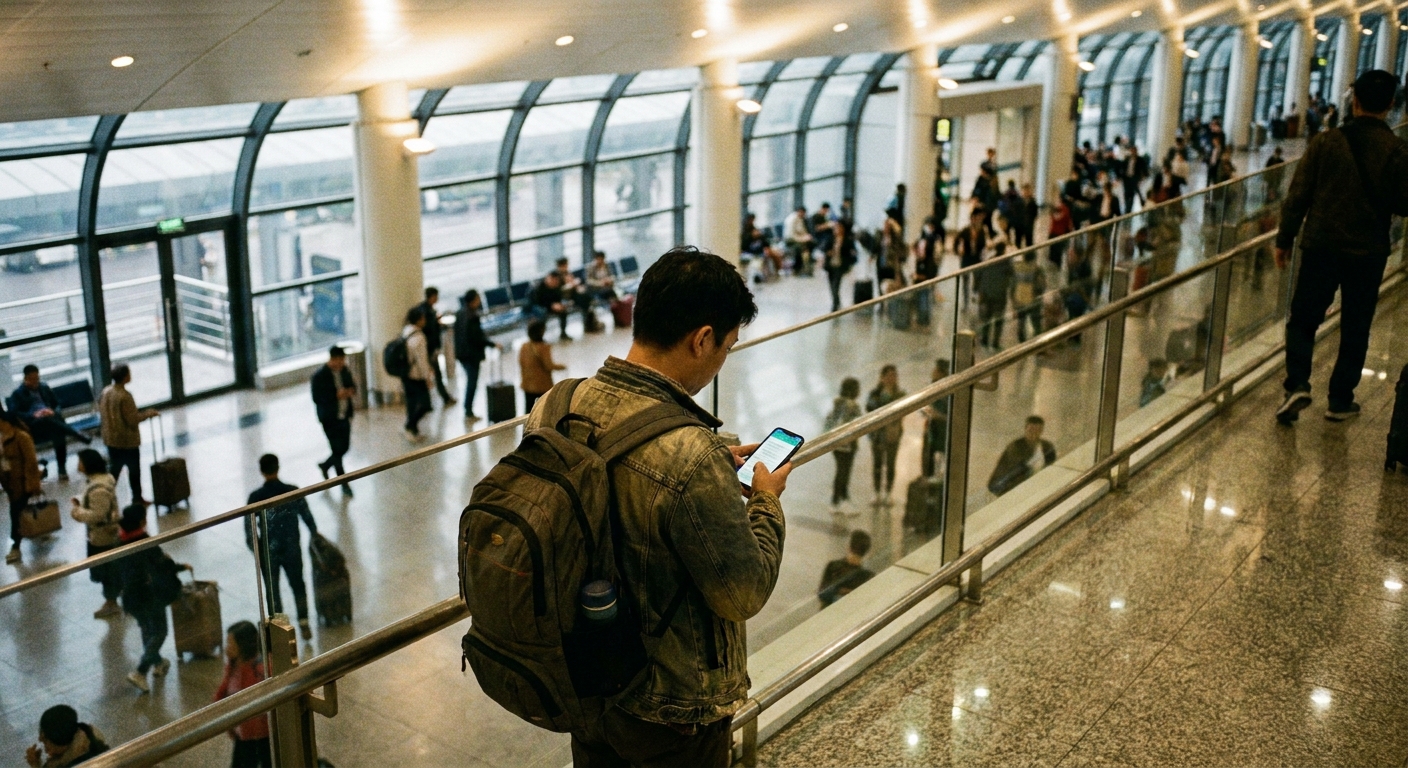
The moment you click submit on the official immigration portal, a quiet, almost meditative period begins. You have uploaded your portrait, checked your passport details for the tenth time, and paid the fee. Now, you are officially in the queue. Refreshing the browser every thirty minutes won’t make the servers move faster, but we have all been there, hovering over the refresh button while trying to plan the logistics for a trip to the Ninh Binh by bicycle. It is helpful to understand that this system isn’t just a computer script; it is a human-led process where officials verify documents against international databases. Understanding your vietnam evisa status is less about technical monitoring and more about learning the rhythm of the immigration office.
When your screen shows “Submitted,” you have successfully entered the digital waiting room. This stage is straightforward: your application has reached the server, but it has not yet been assigned to an officer. If you stay in this phase for more than a few days, it is rarely a cause for alarm. The system works in batches, and public holidays or high-volume travel seasons can create a backlog. You should only start to worry if your status remains stagnant for well beyond the official three-working-day processing window. Patience is your greatest asset here, as unnecessary emails to the help desk often just add to the pile they are already working through.
Demystifying the Transition from Pending to Approval
Once the status shifts to “In Progress” or “Under Review,” the real work begins. This is the stage where your uploaded files are being manually checked. If you notice the status flickering to “Pending” or requesting a re-upload of your passport scan, it usually means your photo was too blurry or the biographical page of your passport was cropped too tightly. This is the most common reason for delay. If you receive a notification for additional information, address it immediately. However, if the status simply sits in “Under Review” for a week, it is often just because your file is sitting in a queue waiting for a final signature. The silent overnight gaps you notice are simply the reality of different time zones and administrative hours in Hanoi.
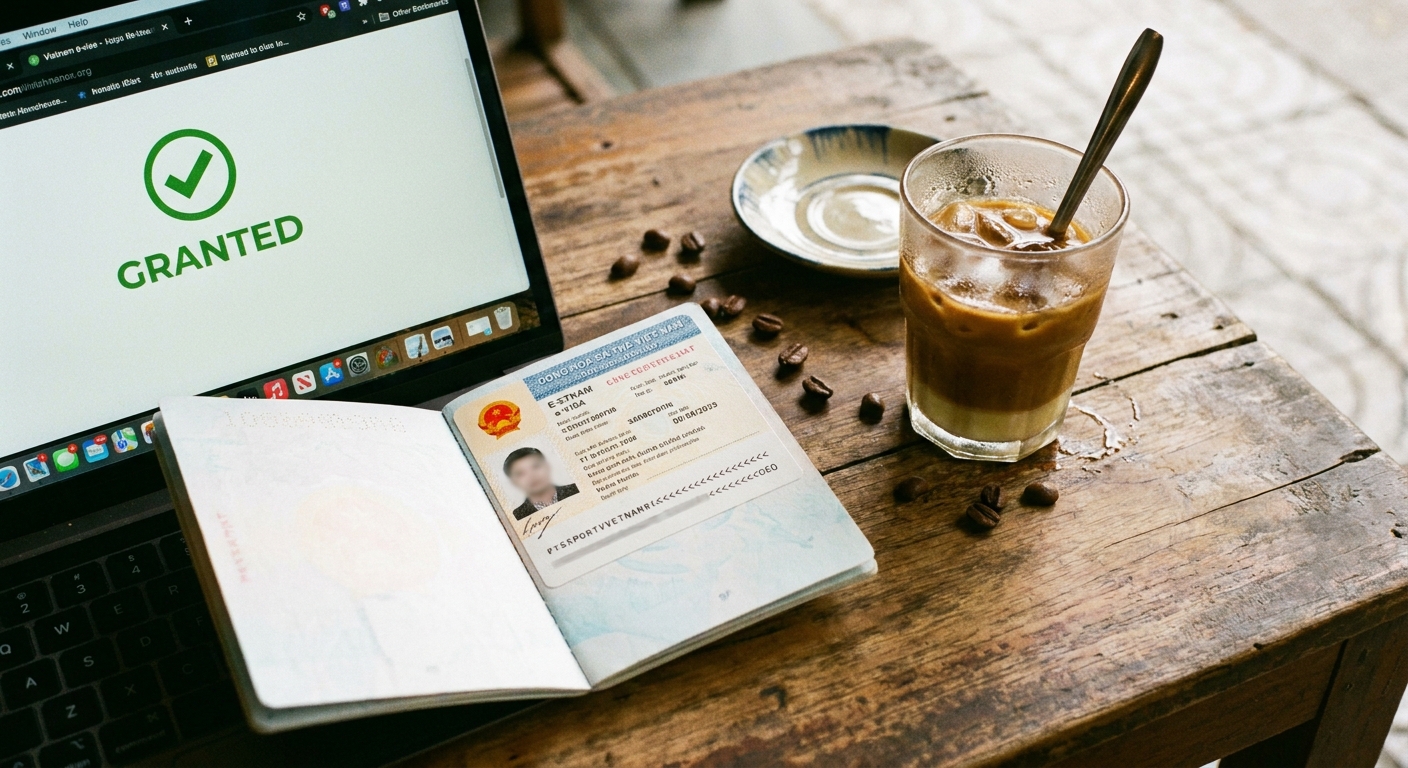
To keep your sanity, try to separate your application stress from the excitement of the trip itself. While you wait, it is a great time to research your first destination. Perhaps you are dreaming of a walk from My Khe beach to the Dragon Bridge once you land. Focusing on your itinerary helps distract from the refresh button. When the status finally flips to “Granted,” it is time to breathe a sigh of relief. You will see a link to download your E-visa document, which acts as your official entry permit. It is vital to print two physical copies of this document to keep with your passport throughout your stay.
If you find yourself stuck in a specific phase for a long period, here are the signals that warrant a follow-up:

- The processing time has exceeded the standard window by more than 48 hours without any update.
- You have received a specific request for correction that you believe you have already satisfied.
- The official portal displays an error message regarding your payment status or document validity.
Most travelers find that checking the vietnam evisa portal once a day is sufficient. Any more frequent than that, and you are likely to experience “refresh fatigue,” where the lack of change starts to feel like a rejection. It is important to remember that these immigration officers handle thousands of requests daily. A delay is usually a logistical bottleneck rather than a personal issue with your application. If your data is accurate and your photos meet the requirements, the system will eventually push your status forward. The vast majority of applications are approved without incident, provided the applicant gives the system the time it requires to do its work.
Once you have that document in hand, the digital anxiety fades into the background. You’ll be swapping your laptop for a bowl of steaming phở or a local bia hơi on a corner street in Hanoi before you know it. Trust the process, keep your confirmation code secure, and try to spend your waiting time visualizing your arrival rather than worrying about the mechanics of the immigration backend. The system is designed to facilitate your entry, and once you have the green light, the bureaucracy disappears, leaving only the adventure ahead.