Avoid public displays of affection, criticizing the government, or failing to dress modestly at religious sites. Never touch someone’s head or point with a single finger. Most importantly, ensure your e-visa details match your passport exactly, as minor discrepancies often lead to immediate entry denial at Vietnam’s international border checkpoints.
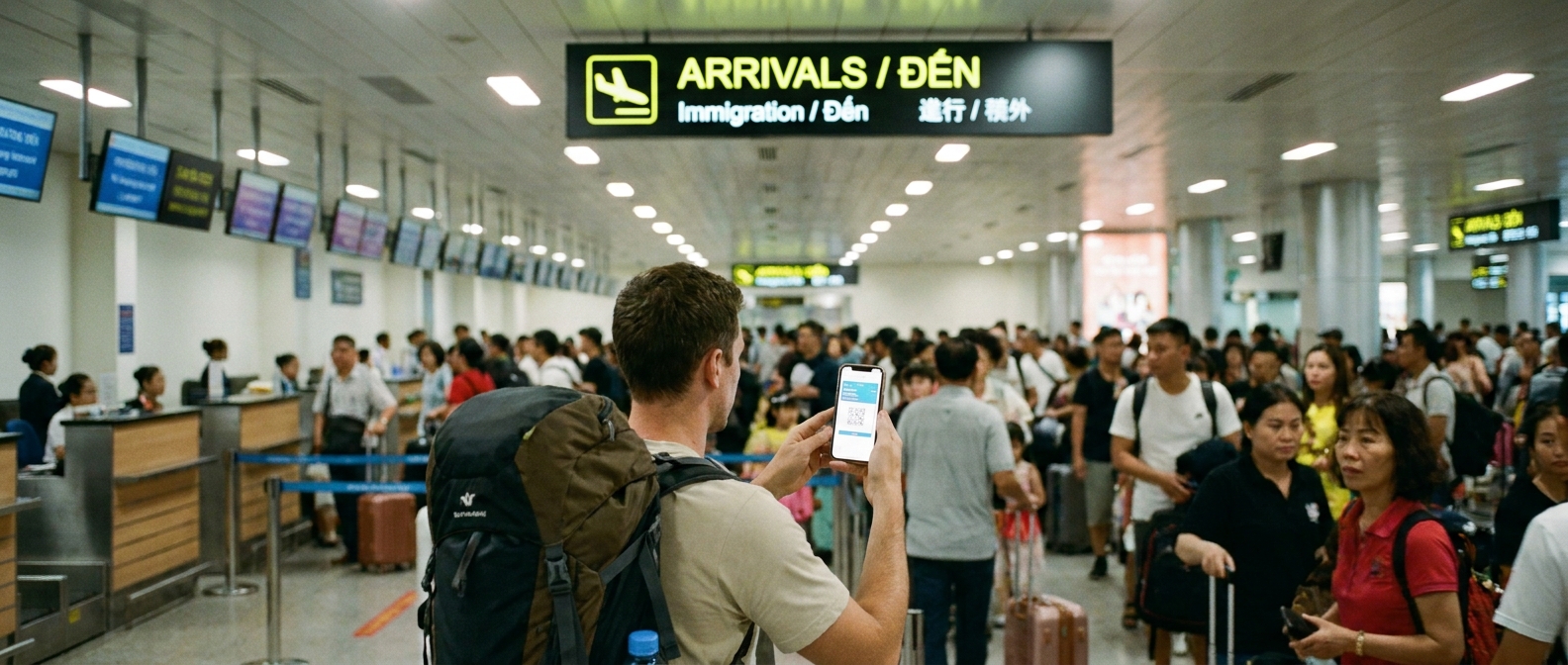
Cultural etiquette in Vietnam centers on preserving harmony and showing respect for local customs. Public displays of affection, such as kissing, are considered inappropriate and draw negative attention. When visiting pagodas or temples, cover your shoulders and knees. Shorts and tank tops are frequently prohibited, and you may be denied entry if your attire is deemed disrespectful by temple guardians.
Communication nuances matter significantly. Pointing with a single index finger is seen as rude; use your entire hand with the palm facing upward to gesture toward people or objects. Avoid physical contact with a person’s head, as it is considered the most sacred part of the body. If you are invited into a home, remove your shoes at the entrance, as wearing outdoor footwear inside is a major social faux pas.
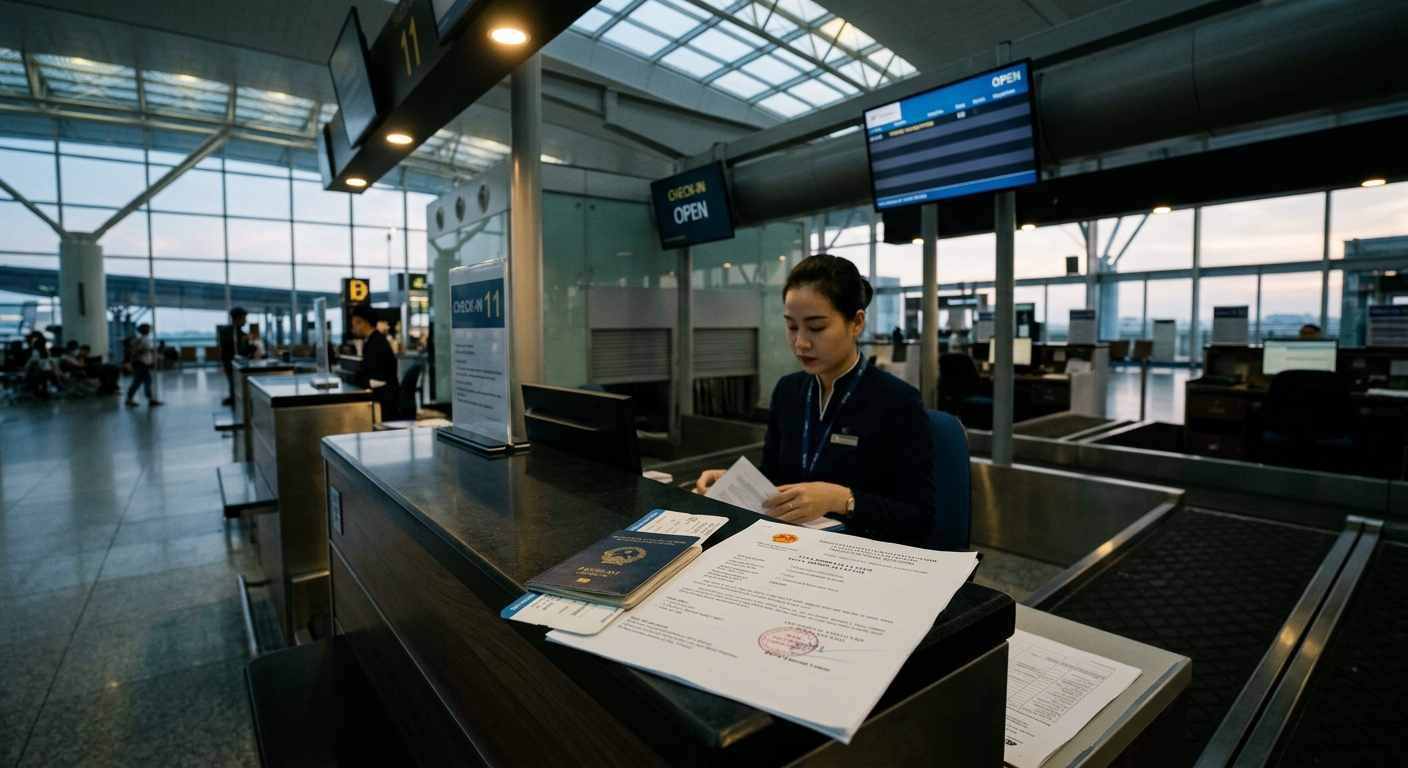
Visa compliance is the most critical logistical mistake travelers make. Vietnam’s e-visa system is unforgiving regarding data entry errors. If your name, passport number, or date of birth on the e-visa does not match your physical passport down to the last digit, you will be denied boarding or entry. Double-check your application against your passport photo page before submission. Government processing officially takes three working days, but during peak holiday periods like Tet, this can extend to seven or more. Plan your arrival window accordingly.
Financial mistakes often stem from failing to carry local currency. While high-end hotels and restaurants in districts like Ho Chi Minh City’s District 1 accept cards, street vendors and rural transport services operate exclusively on cash. Always keep small denominations of Vietnamese Dong on hand. Avoid using large 500,000 VND notes for small purchases, as vendors often lack change and may view it as a nuisance.
Traffic safety requires constant awareness. Motorbike taxis and ride-hailing apps are the standard for moving through dense urban centers like Hanoi or Da Nang. When crossing streets, walk at a steady, predictable pace. Do not stop or run; the flow of traffic will move around you. If you attempt to dart across, you disrupt the rhythm of the drivers, increasing the likelihood of an accident.
Public behavior regarding politics is strictly monitored. Avoid discussing the Vietnamese government or historical conflicts in public spaces. Authorities maintain a low tolerance for public disruption, and loud, drunken behavior can lead to immediate detainment or deportation. Respect the local working hours of government offices, which are typically Monday through Friday, 8:00 AM to 5:00 PM, with a mandatory lunch break from 12:00 PM to 1:30 PM. Attempting to conduct official business during these off-hours is a common frustration for travelers.
Related questions
What are some hidden gems in Saigon?
Explore the secret weapon cache at 287/70 Nguyen Dinh Chieu Street, a preserved relic from the Vietnam War. Visit the Jade Emperor Pagoda in District 1 for its intricate wood carvings, or head to the Binh Quoi Tourist Village for a serene, traditional riverside escape away from the city center’s intense congestion.
When to avoid visiting Ho Chi Minh City?
Avoid visiting during the Tet Lunar New Year, usually falling in late January or early February. During this week, most businesses, museums, and restaurants close entirely as residents return to their hometowns. Prices for flights and accommodation spike, and the city becomes eerily quiet, making it difficult to find operational services.
What to be careful of in Ho Chi Minh?
Be vigilant regarding petty theft, particularly phone snatching. Do not use your smartphone near the edge of the curb while walking or sitting in open-air cafes. Keep your bag on the side of your body away from the street, as passing motorbike riders frequently target unsecured handbags and cameras.
Where to avoid in Ho Chi Minh City?
Avoid wandering into poorly lit alleys in the outskirts of District 4 late at night, as these areas remain less policed. While the city is generally safe, steer clear of unregulated, unmarked taxis found near major tourist hubs. Only use reputable companies like Vinasun or Mai Linh to avoid being overcharged.