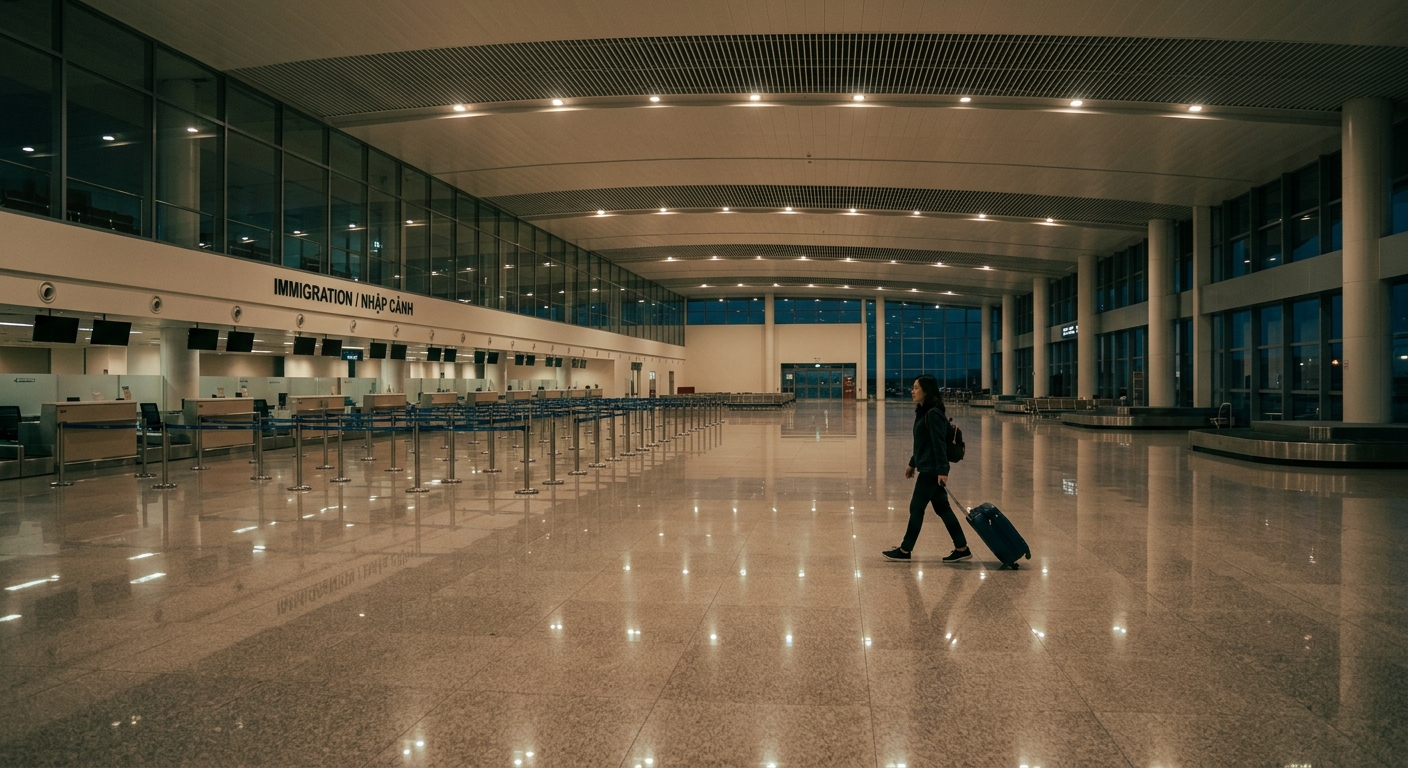
The fluorescent lights of the Noi Bai arrival hall hum with a specific frequency that only reveals itself after midnight. As the final long-haul flights from Europe and the Middle East touch down, the terminal transitions from the organized bustle of the day to a strangely rhythmic, hushed efficiency. Stepping off the jet bridge, the air is thick with that familiar humid weight of Northern Vietnam, even indoors, a subtle reminder that you have truly arrived in Hanoi.
Walking toward the immigration hall, the path is long and polished. It is a transitional space where the anticipation of the trip finally settles into the reality of the border crossing. You will see passengers ahead of you checking their documents, unfolding paper copies of their e-visas, and glancing nervously at the rows of booths. Despite the late hour, the terminal is rarely empty; instead, it feels like a collective holding of breath as hundreds of travelers converge on the Hanoian gateway.
Understanding the Flow of the Immigration Hall
The immigration zone at Noi Bai is a study in focused, functional design. There is no chaotic shouting or frantic running; rather, it is a slow-moving, serpentine shuffle. Most travelers get held up not by the officers themselves, but by the lack of readiness at the front of the line. Before you even reach the desk, you should have your materials organized in a way that allows you to present them without fumbling. The officers here are professional and generally quick, but they expect a high degree of order. If your e-visa is stored on a buried device or hidden deep in a carry-on, you will feel the immediate pressure of the line behind you building up. Keep a printed copy of your approved visa and your passport ready in your hand long before you approach the counter.
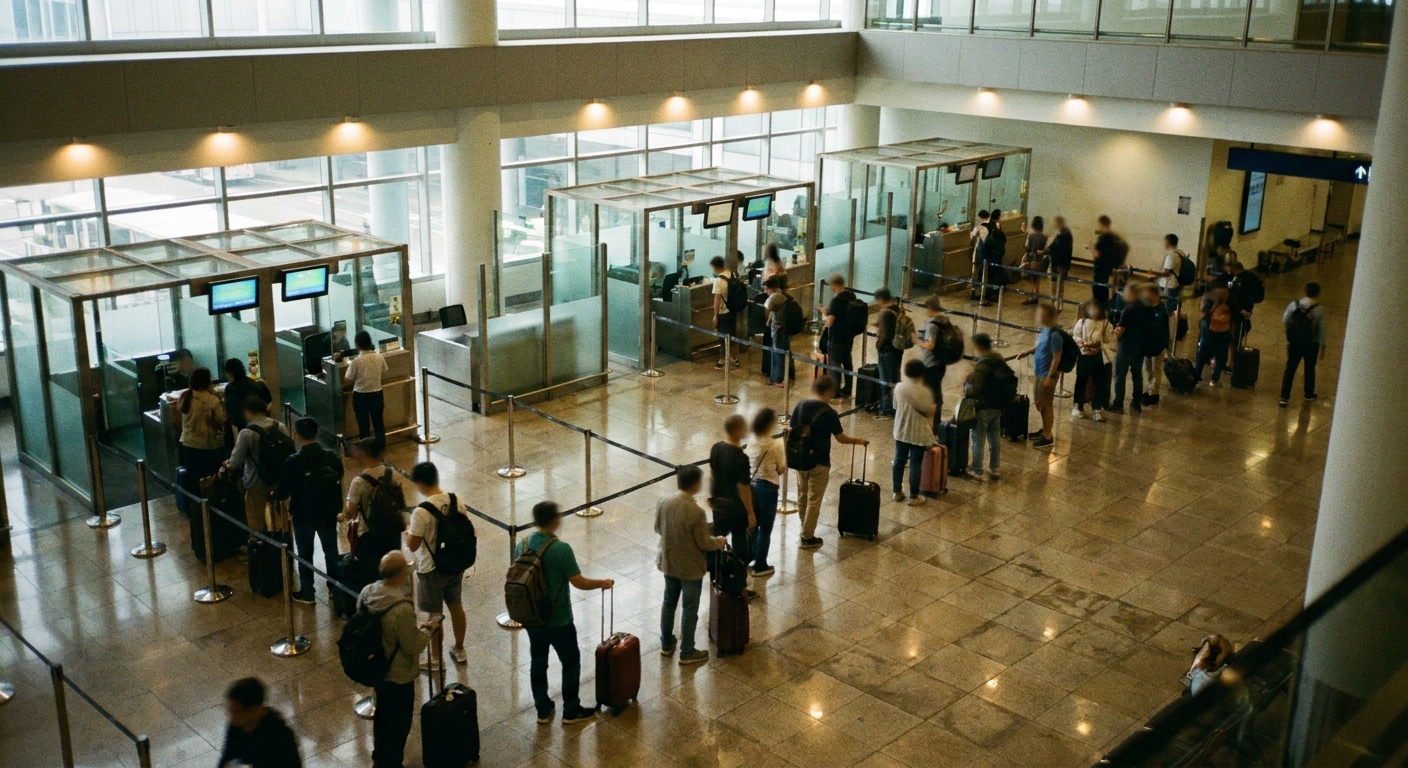
The officers often work in pairs or clusters, processing arrivals with a stoic, rhythmic tapping on keyboards. When it is your turn, you simply step forward, present your passport and the printed visa, and look into the camera if requested. There is rarely a need for conversation. A simple nod or a quiet “hello” suffices. If there is a delay, it is usually just a system verification or a brief check against the database. Do not be alarmed if an officer pauses; they are simply reconciling your digital status with the physical document in front of them.
Most travelers who find themselves stuck at Noi Bai airport arrival are those who have mismatched information or expired documents. It is a common oversight to assume that a digital copy on a phone is sufficient, but in the low-light, high-volume environment of the midnight arrivals, paper remains the undisputed king. Having a physical backup ensures that even if the internet connection on your phone flickers or your battery dies, you are prepared. Beyond the visa, keep your flight details and a note of your first hotel address readily available, as these are frequently requested during the initial entry process.
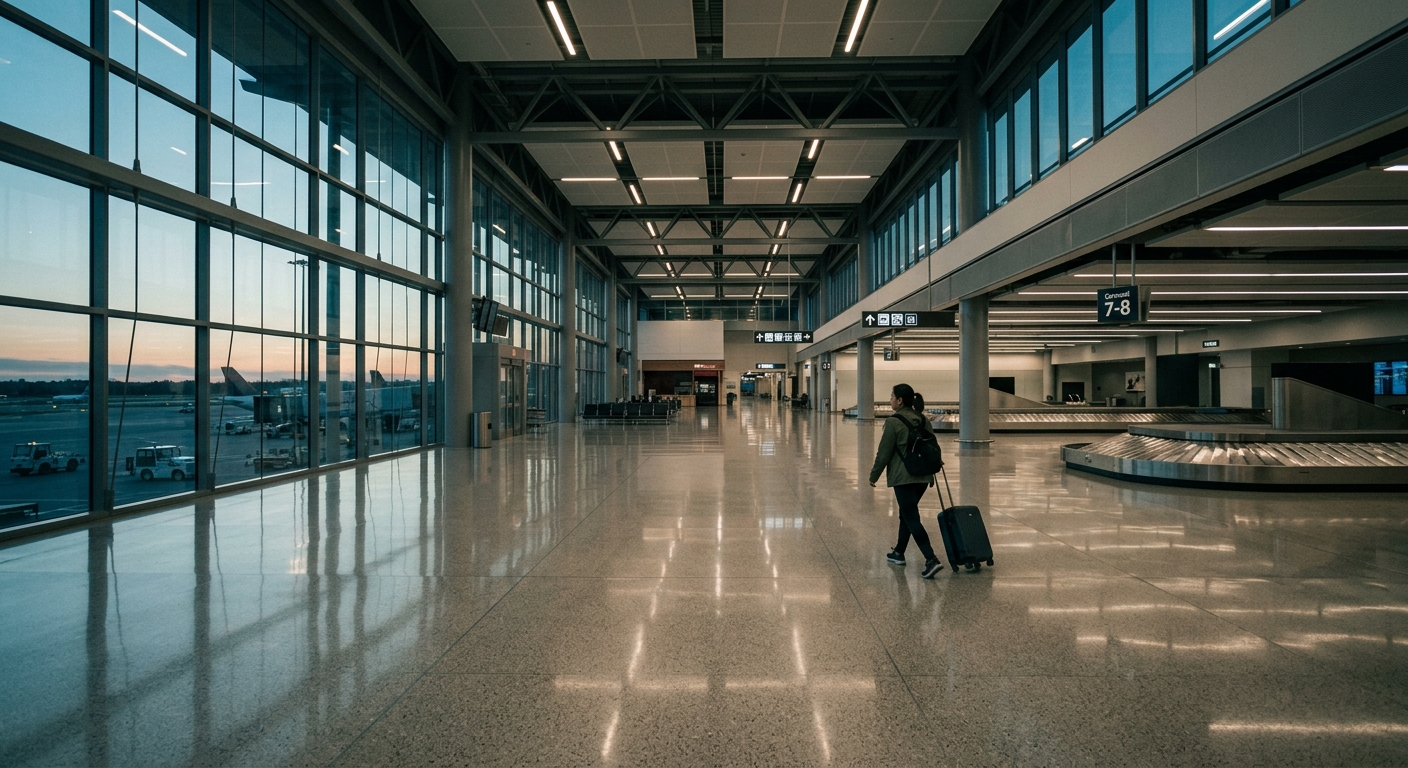
Once your stamp is pressed and the passport is returned, the atmosphere changes instantly. The immigration hall gives way to the luggage carousels, which rotate with a sleepy, metallic clatter. The tension of the border crossing evaporates here, replaced by the mundane task of waiting for your suitcase to appear. This is the moment when the reality of your trip to Hanoi begins to take shape. You are no longer just a passenger in transit; you are a visitor navigating the quiet, humid streets of a city that is waiting just outside the sliding glass doors.
As you exit the restricted area into the arrivals lobby, you will be met by a sea of drivers holding name cards and the distant scent of the Hanoi night air. The city is awake in its own way—the early morning commuters, the bus drivers, and the street vendors preparing their stalls for the dawn. Taking a moment to breathe before heading out into the humidity is the best way to transition. Whether you are catching a taxi, a bus, or a private transfer, the hardest part—the formal entry into the country—is already behind you. You have cleared Hanoi immigration, the bags are in hand, and the capital of Vietnam lies waiting just beyond the airport perimeter.