The air in the Old Quarter is still thick with the smell of damp pavement and lingering exhaust when you drag your suitcase toward the waiting vehicle. The hanoi ha giang bus is not merely a mode of transport; it is a rite of passage for every traveler setting their sights on the northern frontier. Most sleeper buses depart late, usually between nine and ten at night, allowing the city to slip into a semi-conscious state before you barrel toward the mountains. As you climb aboard, the driver’s assistant signals for you to remove your shoes, depositing them into a plastic bag that will likely be lost or swapped by morning. You find your bunk—a narrow, plastic-covered pod designed for a frame shorter than the average Westerner—and fold yourself into the familiar curvature of the seat.
The journey itself is a rhythmic, lurching affair. These buses are marvels of modern Vietnamese engineering, packed with neon lights, vibrating massage settings that rarely work, and a soundtrack of local ballads that persist despite the late hour. You watch the frantic lights of Hanoi dissolve into the muted blackness of the countryside. Sleep on a night bus is never true rest. It is a fragile, fragmented state of consciousness. You wake up whenever the driver hammers the horn—a sharp, aggressive sound that cuts through the dark to clear water buffalo or motorbikes from the mountain passes. Every jolt reminds you that you are ascending, the earth shifting beneath you as the humidity of the lowlands gives way to the thinner, crisper air of the highlands.
The Geometry of Mountain Travel
There is a specific, peculiar camaraderie among the passengers on a ha giang night bus. It is a quiet, shared stoicism. In the middle of the night, during one of the mandatory bathroom stops at a roadside shack selling instant coffee and steamed buns, you see the faces of your fellow travelers illuminated by the harsh fluorescent bulbs. Everyone looks exactly how you feel: slightly bewildered, hair standing on end, and intensely caffeinated. It is a stark contrast to the quiet sophistication of your morning in the capital, perhaps spent at a quiet bowl of early-morning pho before the tourist rush begins. Now, there is no pretense. We are all just bodies in transit, waiting for the geography to reveal itself.
By 4:00 AM, the bus slows its pace. The winding roads begin to tighten, the engine groaning as it climbs the final gradients toward the provincial center. You feel the temperature drop. If you are lucky, you might have enough internet connection to periodically refresh your official Vietnam evisa status, just to remind yourself that you are legally anchored in this country, even as you feel adrift in the dark. The last hour is the most difficult. The bus rocks violently as it navigates tight hairpins, and the sleep you finally found proves to be the most elusive.
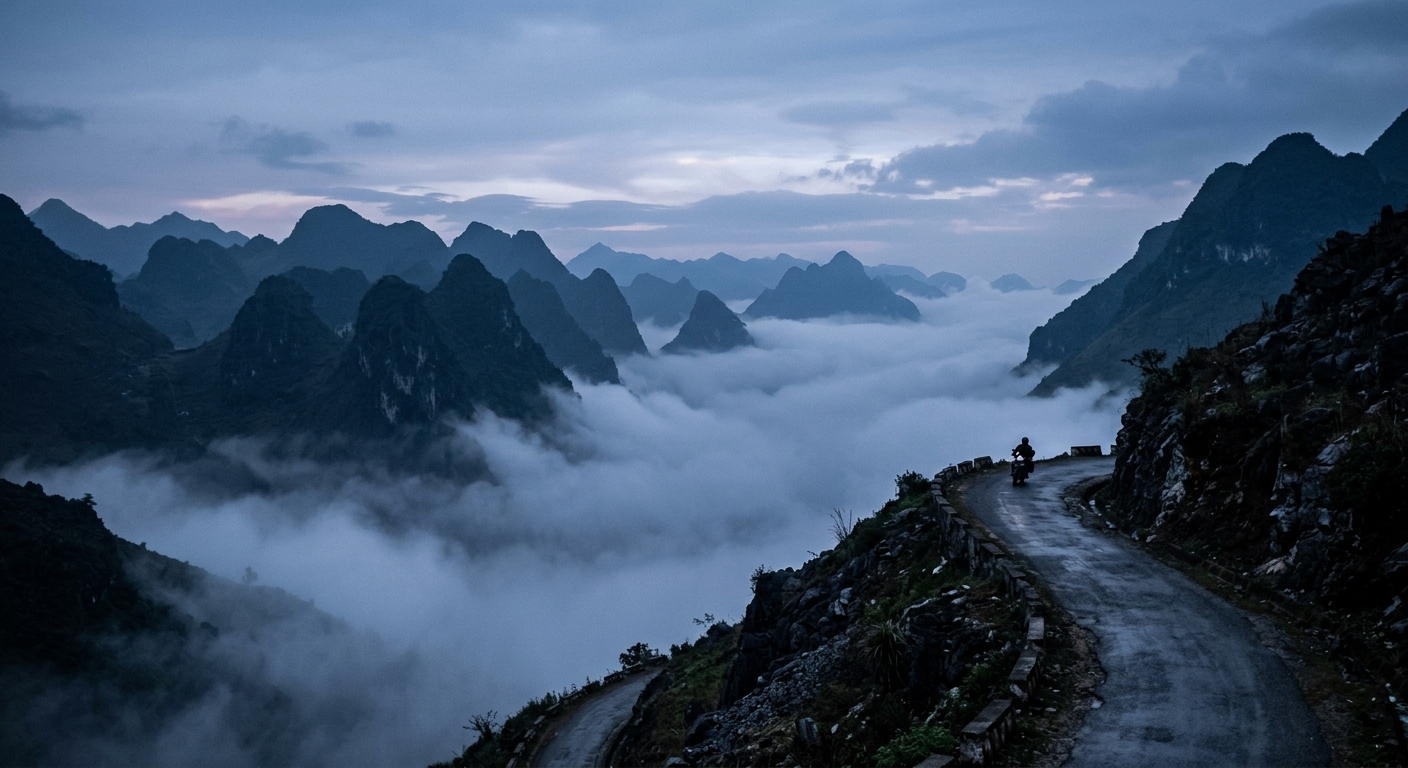
Then, the movement stops. Your ha giang arrival is signaled not by an announcement, but by the sudden, deafening silence of the engine cutting out. The doors hiss open. You stumble out, your legs stiff and uncooperative, clutching your bag like a life raft. The air hits you—it is sharp, cold, and carries the faint, earthen scent of limestone. You are at the depot, and as your eyes adjust to the bruised purple of the pre-dawn sky, you see them: the karst peaks. They rise like jagged teeth against the horizon, silhouettes of a landscape so vast and alien it renders the entire eleven-hour ordeal completely irrelevant.
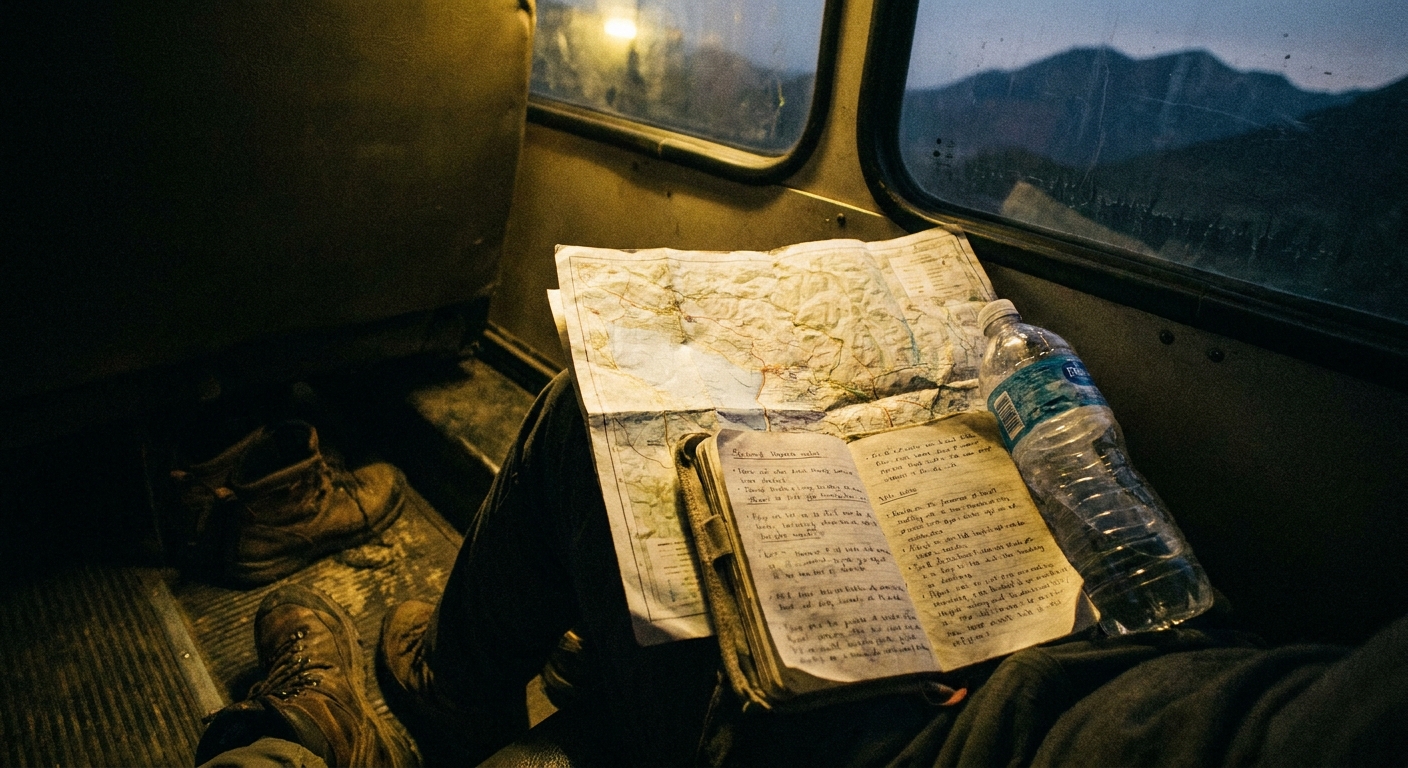
Standing there on the pavement, watching the mist cling to the valleys between the mountains, you realize that the discomfort of the bus was simply a filter. It strips away the comfort of the city, leaving you raw and ready for the terrain ahead. There is no luxury here, just the immediate, overwhelming reality of the North. You adjust your pack, find your bearings, and realize that the long, restless night was the only way to earn this view. The road continues, but for now, the dawn over Ha Giang is enough.