
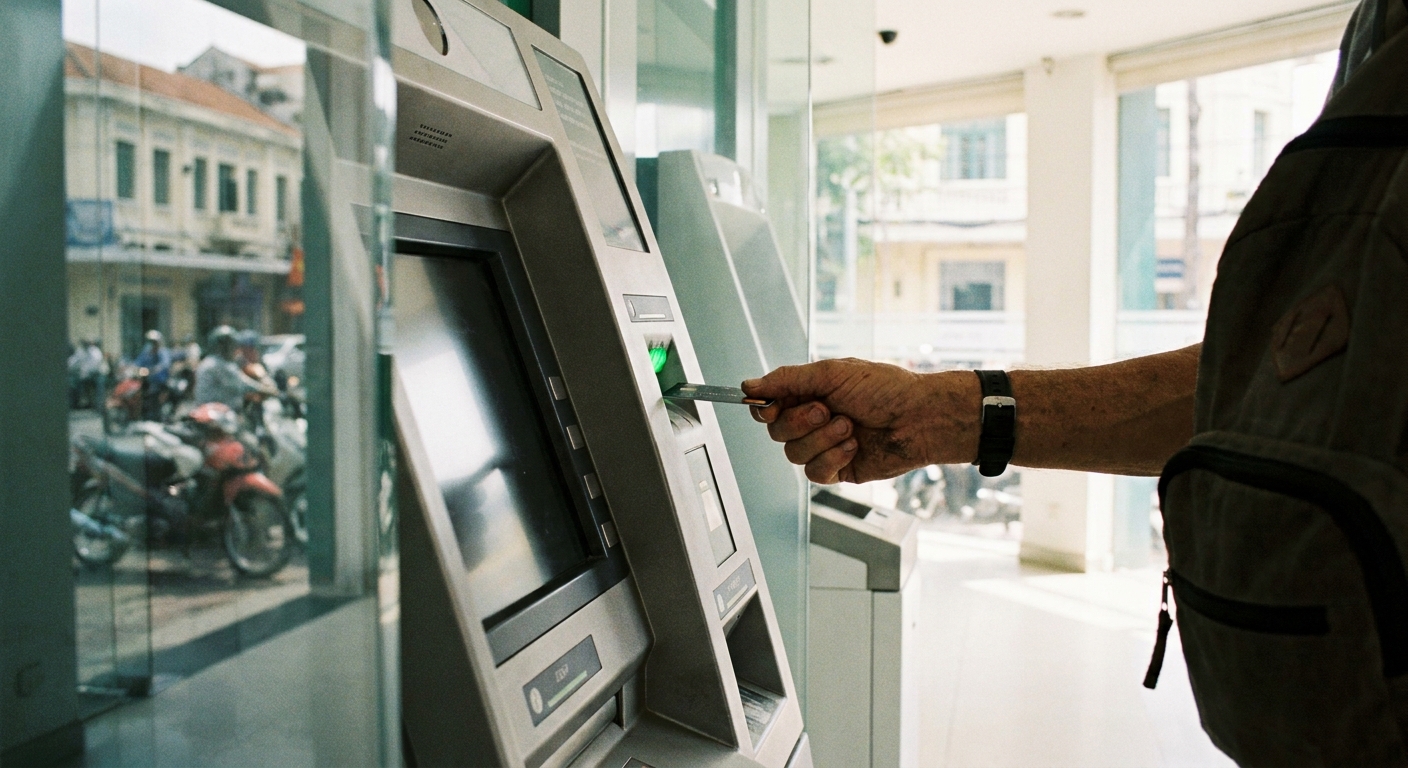
Standing in front of a flickering ATM in a quiet alleyway in District 1 of Ho Chi Minh City, you might feel the urge to just insert your card and hope for the best. Vietnam is a cash-heavy society, and while digital payments are growing in popularity, you will need physical currency for street food, local markets, and those small shops that don’t take cards. However, the cost of accessing your own money can vary wildly depending on which machine you choose. If you aren’t careful, you could end up paying a small fortune in bank charges just to get enough dong for a bowl of pho.
Choosing the Right Bank to Minimize Costs
The most common mistake travelers make is assuming their home bank’s fees are the only ones that matter. In reality, the machine itself often levies a surcharge that appears on your statement long after you have walked away. When you look at the screen, you will often see a prompt asking if you want to accept a conversion rate or a specific fee. Many machines operated by smaller, private banks tack on an extra 50,000 to 100,000 VND per transaction. This might not sound like much, but if you are withdrawing cash in Vietnam frequently, these pennies turn into dollars very quickly.
To avoid being drained, aim for the major national banks. TPBank, VPBank, and BIDV are generally reliable, and their ATMs often have lower or zero surcharges for international cards compared to the more tourist-centric boutique machines you see in malls. Military Bank (MB Bank) is another solid choice that frequently allows for higher transaction limits. When you approach a machine, check the exterior for branding. If it looks like a standalone booth in a high-traffic tourist area, be wary; those are the ones most likely to impose the heaviest fees.
The card you use matters less than the machine you choose, though some international banks offer fee-reimbursement cards that can offset costs. Even with a fee-free card from your home country, if the local ATM charges a service fee for the use of its infrastructure, you are still going to pay it. The best strategy is to become a “large batch” withdrawer. Instead of pulling out small amounts every day, try to estimate your weekly expenses and make a single, larger withdrawal. This spreads the fixed cost of the withdrawal over a larger sum, effectively lowering the percentage you lose to the bank.
Understanding Limits and Practical Constraints
Even if you find a machine that doesn’t charge you a dime, you will still hit a wall: the per-transaction limit. Vietnamese ATMs are notoriously conservative, often capping individual withdrawals at 2,000,000 to 5,000,000 VND. If you need a larger amount for a hotel bill or a tour, you may have to perform back-to-back transactions. This can sometimes trigger a security alert from your home bank, which might view the rapid-fire withdrawals as suspicious activity. Always notify your bank of your travel plans before you arrive to ensure your card remains active.
Keep these technical tips in mind for your next withdrawal:
- Always choose “Debit” if prompted, even if you are using a credit card, as it can sometimes process differently.
- Never accept the “Dynamic Currency Conversion” offered by the machine; always let your home bank do the exchange.
- Avoid using ATMs inside lobby areas of hotels, as they often carry the highest service fees in the city.
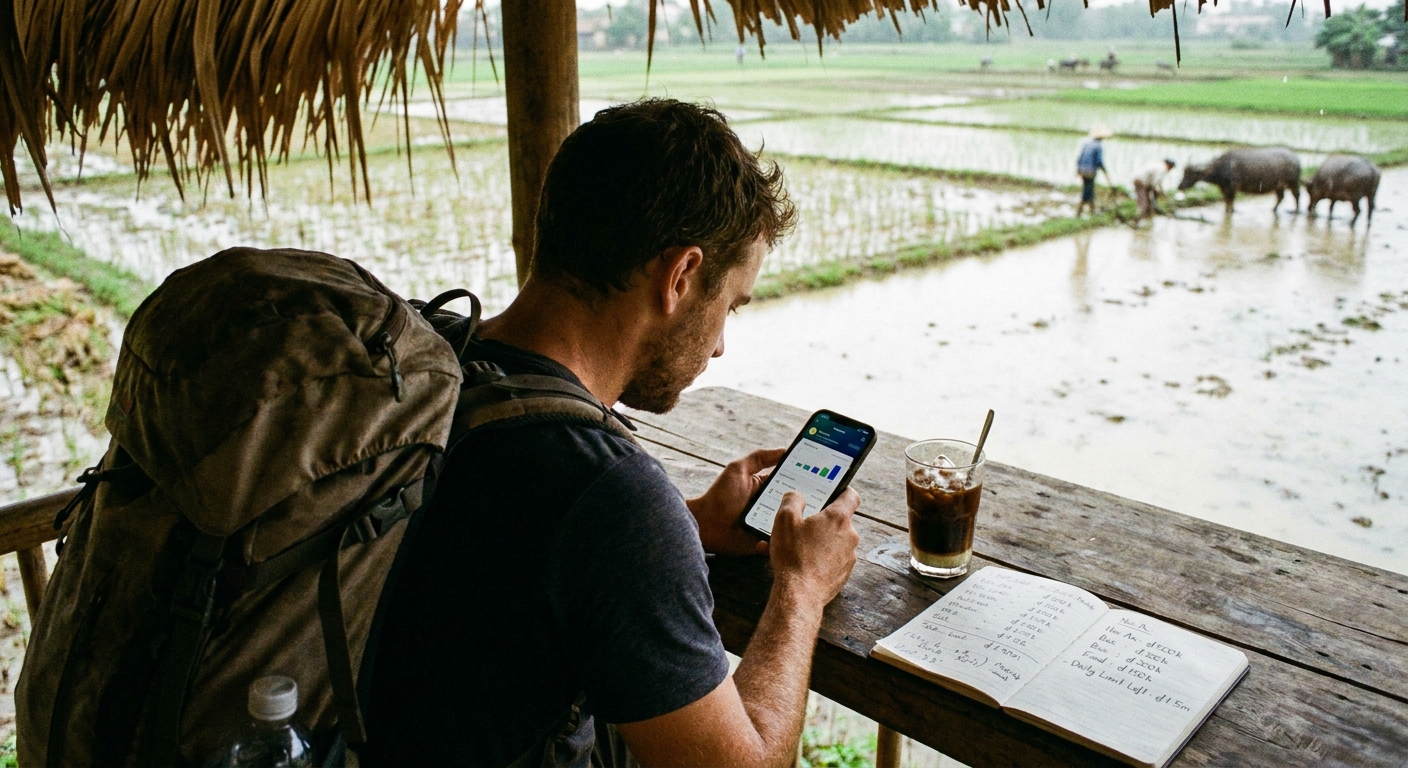
- Check your phone immediately after the withdrawal to verify the amount debited matches the amount received.
Beyond the fees, watch out for the currency denominations the machine spits out. Most will dispense 500,000 VND notes, which are the largest in circulation. While these are great for high-end restaurants, they are a nightmare for street vendors and taxi drivers who rarely have enough change. If you withdraw a large sum, try to head to a convenience store like a Circle K or FamilyMart immediately to buy a bottle of water or a snack. This forces you to break that large 500,000 VND note into smaller, more usable denominations like 20,000 or 50,000 VND bills, saving you from awkward social interactions later in the day.
Ultimately, the secret to maintaining your budget is treating ATM trips as a logistical task rather than an afterthought. By sticking to major, reputable banks and maximizing the amount you withdraw at once, you keep the bank’s hand out of your pocket. Once you have a stash of manageable bills, you can focus on enjoying your time in the country rather than worrying about the hidden costs of a simple transaction.