While there is no direct train station in Sapa itself, you can take an overnight train from Hanoi to Lao Cai station. From there, you must complete the journey to Sapa town by taking a local bus, private taxi, or pre-arranged shuttle for the final thirty kilometers of winding mountain roads.

Travelers arriving in Vietnam during 2025 often find that regional connectivity relies on a mix of legacy rail infrastructure and modern road networks. The rail journey from Hanoi to Lao Cai remains a popular choice for those seeking a slower pace, though the tracks terminate well before the high-altitude town of Sapa. Once you disembark at the Lao Cai station, the logistical transition requires a secondary transfer. Local government regulations have standardized many of these shuttle operations, and travelers should expect to pay between 50,000 and 150,000 VND for a shared seat on a minibus. Private car hires are also readily available at the station exit, though prices fluctuate based on demand and the time of arrival.
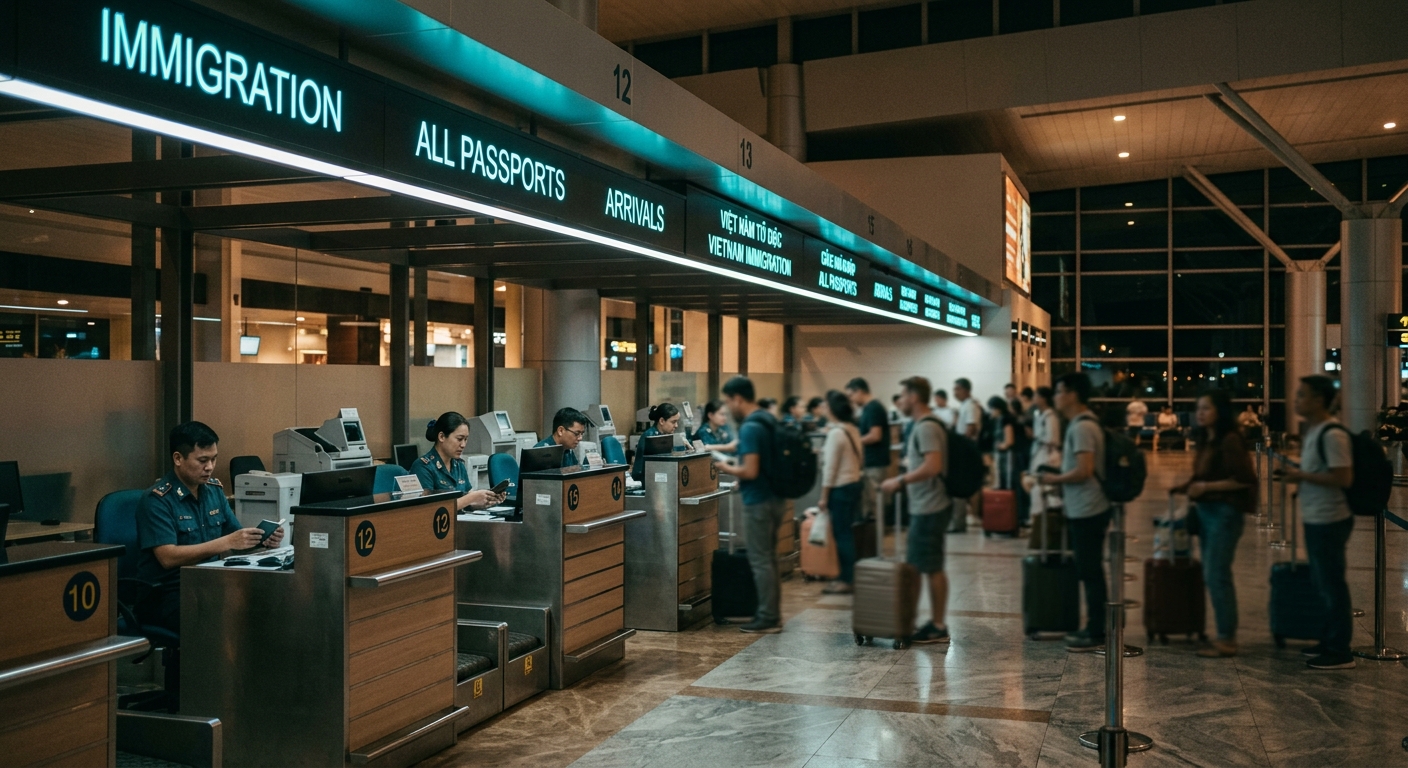
When moving between major hubs like Hanoi and coastal destinations, the logistics often shift toward private transit or guided group tours. For those heading to the northern coast, the transit from Hanoi to the Halong Bay ports typically takes three to four hours via the modern expressway. Immigration officials and port authorities in 2026 continue to emphasize the importance of having your electronic visa confirmation printed or easily accessible on a device, as digital verification at ferry terminals can occasionally be delayed by spotty mobile reception. It is advisable to carry your passport at all times, as local police checkpoints on the route to Sapa or the coastal provinces may perform routine identity verifications.
The integration of digital ticketing has simplified the process of booking transport, yet the physical reality of Vietnamese infrastructure remains rugged. While high-speed rail projects are frequently discussed for future development, the current reality involves navigating mountain passes and coastal highways that are prone to congestion. Travelers should build in a buffer of at least two hours for any transit connecting a train or bus arrival to a cruise departure or trekking start time. This margin accounts for the frequent stops and the variable nature of traffic patterns in the northern highlands. By understanding that the journey is often fragmented into separate legs, you can better manage your expectations and ensure your documentation is ready for the various check-in points you will encounter throughout your trip.
Frequently asked questions
Is there a train from Hanoi to Sapa?
No direct rail line reaches Sapa. The train travels from Hanoi to Lao Cai station, which is located about thirty kilometers away from the town center. Upon arrival at the Lao Cai station, you must secure a taxi, shuttle bus, or pre-arranged private transfer to complete the final hour of the trip up the mountain.
What is the most luxurious cruise on Halong Bay?
Luxury in Halong Bay is subjective, but vessels like the Orchid Cruises, Heritage Cruises, or the Emperor Cruises are frequently cited for their high-end service, private balconies, and gourmet dining. These ships prioritize smaller passenger numbers and offer more personalized itineraries, often focusing on the quieter Lan Ha Bay area to avoid the larger crowds.
Is trekking in Sapa difficult?
Trekking difficulty in Sapa depends entirely on the chosen route. While some walks through the rice terraces near Cat Cat village are relatively flat and easy for casual hikers, routes involving high-altitude climbs or multi-day excursions to Fansipan require a moderate to high level of physical fitness and appropriate gear for changing mountain weather conditions.
What movie was filmed at Halong Bay?
The most famous film featuring Halong Bay is the 1997 James Bond movie Tomorrow Never Dies. The iconic limestone karsts served as a dramatic backdrop for the film’s action sequences. Other productions, including parts of the 2017 blockbuster Kong: Skull Island, also utilized the unique geological formations of the surrounding Gulf of Tonkin for filming.
Is the Saigon hop-on bus a good way to see the city?
The hop-on hop-off bus in Ho Chi Minh City is a practical way to orient yourself, especially if you have limited time. It stops at major landmarks like the War Remnants Museum and the Notre Dame Cathedral. While traffic can be heavy, the open-top deck provides a vantage point that is difficult to replicate on foot.