Common mistakes in Vietnam include arriving with an incorrect e-visa port of entry, failing to check passport validity requirements, and underestimating regional weather patterns. Travelers should also avoid ignoring local traffic etiquette, assuming all credit cards are widely accepted, and neglecting to verify official visa processing timelines before booking flights.

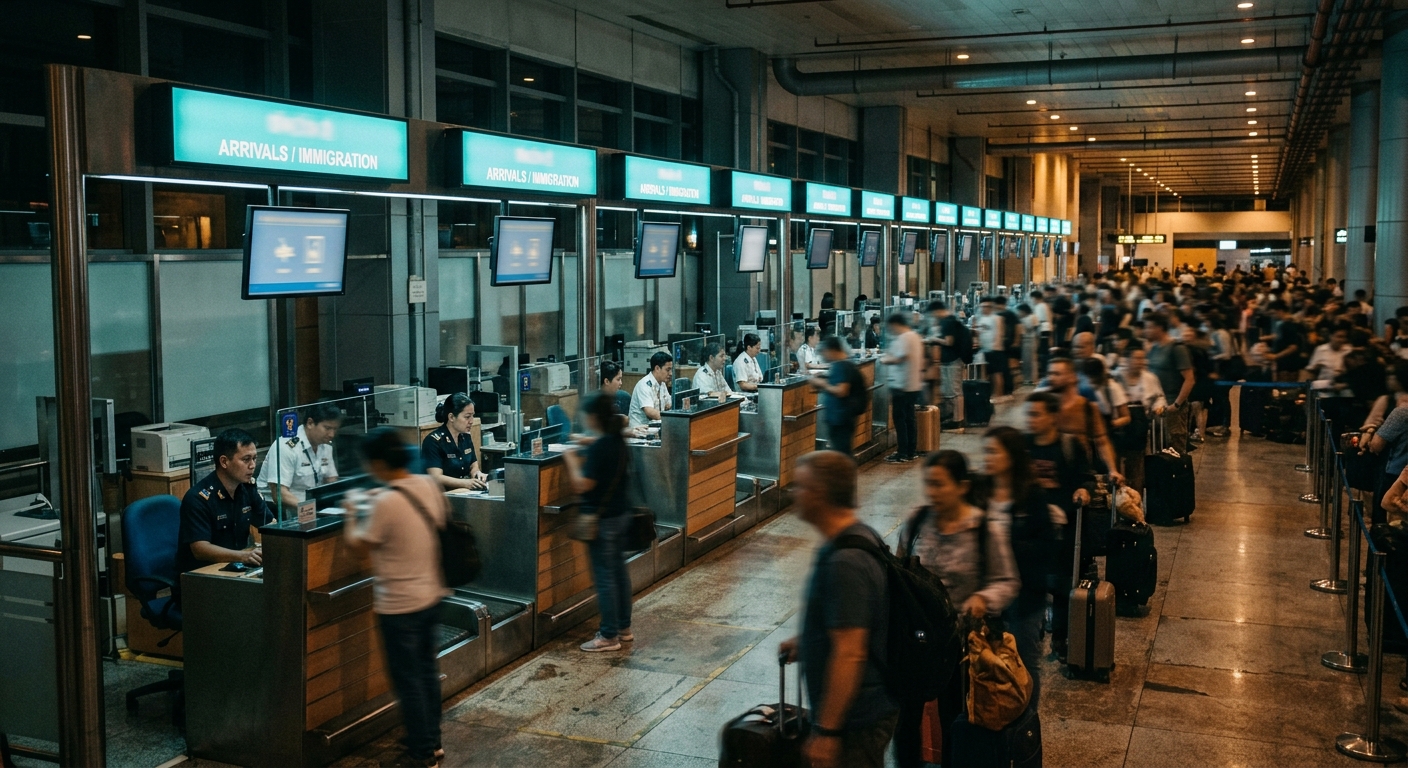
Navigating Vietnam requires attention to detail, particularly regarding your legal documentation. As of 2025, the most frequent error involves the port of entry listed on your e-visa. If your visa specifies Tan Son Nhat Airport but you land at Noi Bai, immigration officers will deny entry, forcing you to reapply and wait for a new approval letter. Always match your visa application exactly to your flight itinerary to avoid costly delays at the border.
Respecting local customs and traffic patterns is essential for a smooth visit. In major cities, traffic flows like a river; the best way to cross a street is to walk at a steady, predictable pace rather than stopping or running. Motorbike taxis remain a popular way to get around, but always agree on the price before sitting on the bike. In 2026, digital payment systems have expanded, yet carrying Vietnamese Dong is still necessary for street food vendors, local markets, and smaller rural establishments that do not process card transactions.
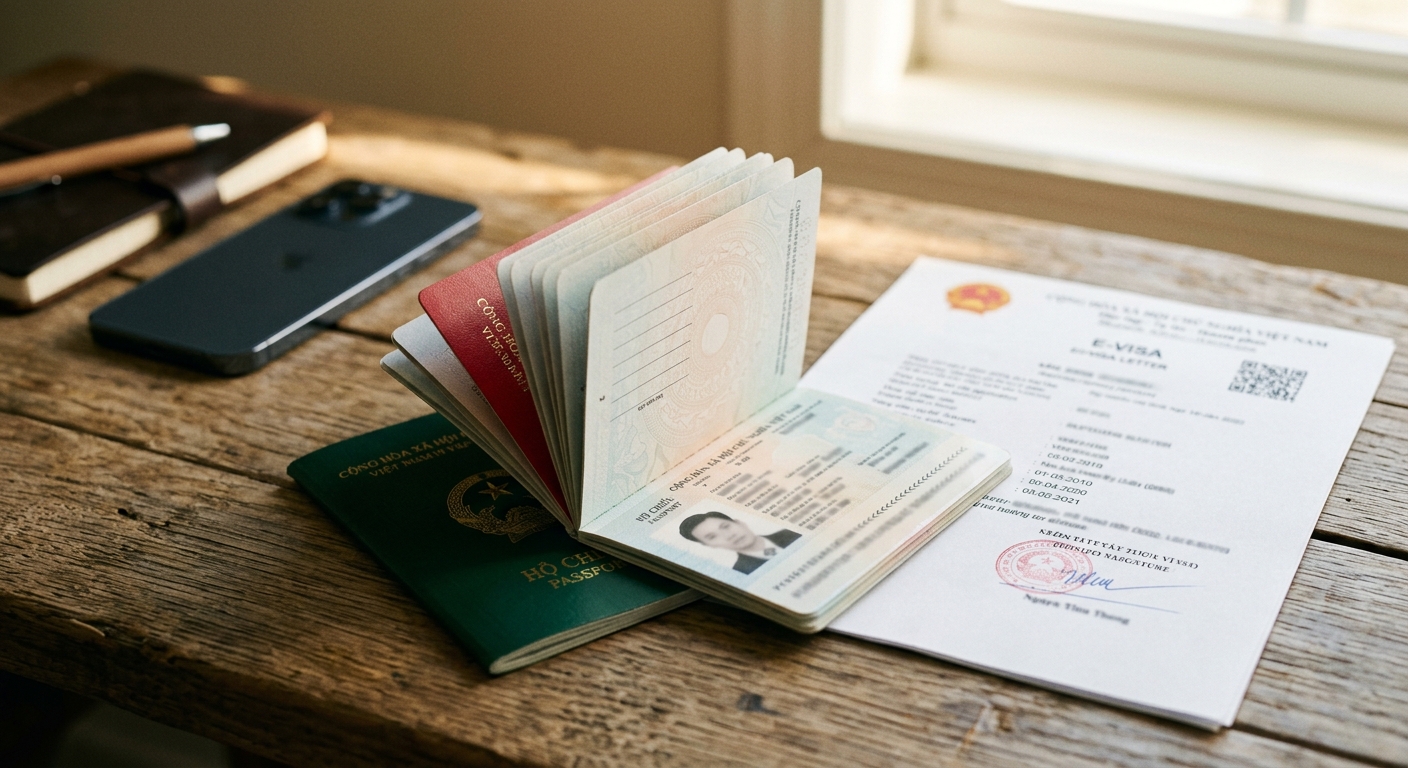
Regarding government processing, the online portal remains the only official channel for e-visa applications. Avoid third-party sites that inflate costs or promise expedited processing that the government does not officially recognize. Processing times typically take three to five business days, though peak travel seasons can occasionally extend this window. Ensure your passport has at least six months of validity remaining from your date of entry; immigration officials are strict about this requirement, and airlines will often prevent you from boarding if your document is close to expiring.
Climate awareness is another factor often overlooked by first-time visitors. Vietnam is geographically diverse, meaning the weather in the north can be vastly different from the south at the same time of year. Planning a trip without checking regional monsoon seasons can leave you stranded during heavy rains or typhoon warnings. Researching your specific destinations in advance allows you to pack appropriately and adjust your itinerary to avoid seasonal flooding or extreme heat. Taking the time to understand these logistical realities before you depart ensures that your focus remains on the culture and landscape rather than bureaucratic hurdles.
Frequently asked questions
What mistakes should you avoid in Vietnam?
Avoid listing the wrong port of entry on your visa application, as this leads to automatic entry denial. Do not ignore passport validity rules, which require six months of remaining time. Additionally, avoid assuming that all vendors accept digital payments or credit cards, and always confirm prices before engaging services like motorbike taxis.
What are some hidden gems in Saigon?
Beyond the central landmarks, explore the hidden apartment cafes in District 1, where aging residential buildings house creative coffee shops. The incense-filled pagodas in District 5 offer a quieter look at local spirituality. Additionally, the small alleyways in District 3 contain authentic street food stalls that remain largely untouched by the mainstream tourist circuit.
When to avoid visiting Ho Chi Minh City?
The peak of the rainy season, typically between June and September, can result in frequent downpours and localized street flooding. If you prefer dry weather for walking and exploring, these months may be less ideal. Additionally, the week of the Tet Lunar New Year often sees many shops and restaurants close for the holiday.
What to be careful of in Ho Chi Minh?
Be mindful of your personal belongings in crowded areas, especially when using your phone or camera near the street, as snatch-theft can occur. Use caution when crossing busy intersections by maintaining a steady, predictable walking pace. Furthermore, be wary of overly aggressive street vendors or individuals offering services that sound too good to be true.
Where to avoid in Ho Chi Minh City?
While the city is generally safe, it is wise to be extra cautious in high-traffic tourist hubs like the immediate vicinity of Bui Vien Street late at night. Some of the more isolated, dimly lit alleyways in outer districts may also be less advisable for solo travelers to explore after dark when the city becomes quiet.