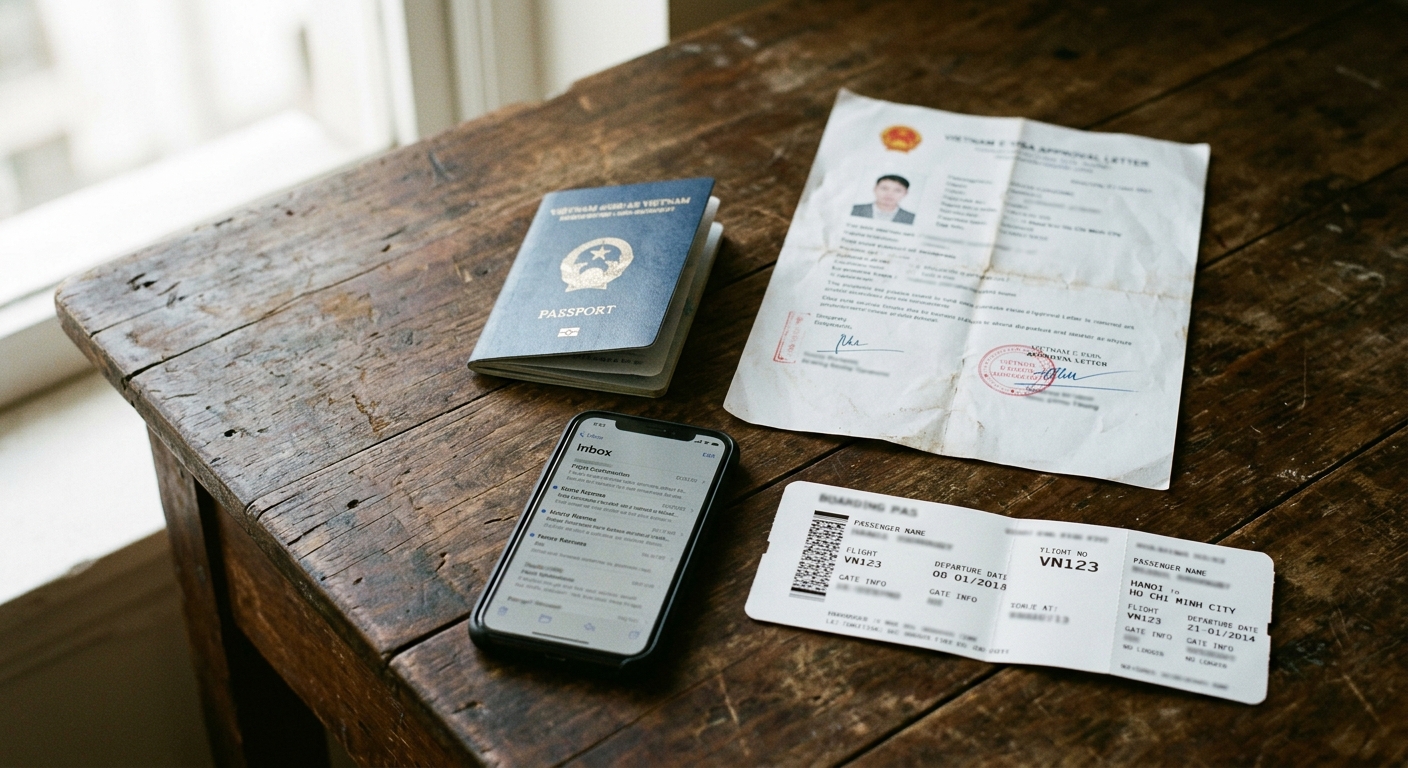
The notification arrives in your inbox with a subject line that feels almost too brief for how much relief it brings: “E-visa result.” You have spent days checking the government portal, watching the status update from “Processing” to “Granted,” and now, the actual file is ready for download. But once you have that Vietnam evisa pdf saved on your phone, the real preparation begins. Many travelers treat this digital document as a mere formality, but the truth is that it acts as your primary legal credential from the moment you approach the check-in desk at your departure airport until you are officially stamped into the country.
Inside the email attachment, you will find the official document, which is far more than just a permit. It outlines the specifics of your visit: your full legal name as it appears on your passport, your date of birth, your nationality, and your passport number. It also dictates the validity dates—the strictly enforced window during which you can enter and leave the country—and, crucially, the designated port of entry. If you have been dreaming of a sunset stroll along the Dragon Bridge in Da Nang, you must ensure your arrival airport matches the one printed on your document. Arriving at the wrong port, or attempting to enter on a date outside your validity period, is a common error that leads to immediate boarding denials.
The Anatomy of Your Documentation
When you stand in line at the check-in counter in Frankfurt, Tokyo, or Los Angeles, the ground staff is essentially acting as the first line of immigration control. They are looking for three specific things on your Vietnam evisa approval letter: that your name matches your passport, that the document is still valid for the date of your travel, and that you have a confirmed exit flight or itinerary if required. While some travelers swear by keeping everything purely digital, I have seen enough Wi-Fi failures and drained batteries to suggest that a physical printout is a vital piece of insurance. A single paper copy tucked into your passport folder saves you from having to fumble with a phone screen while an agent is waiting for a clear view of the barcode.
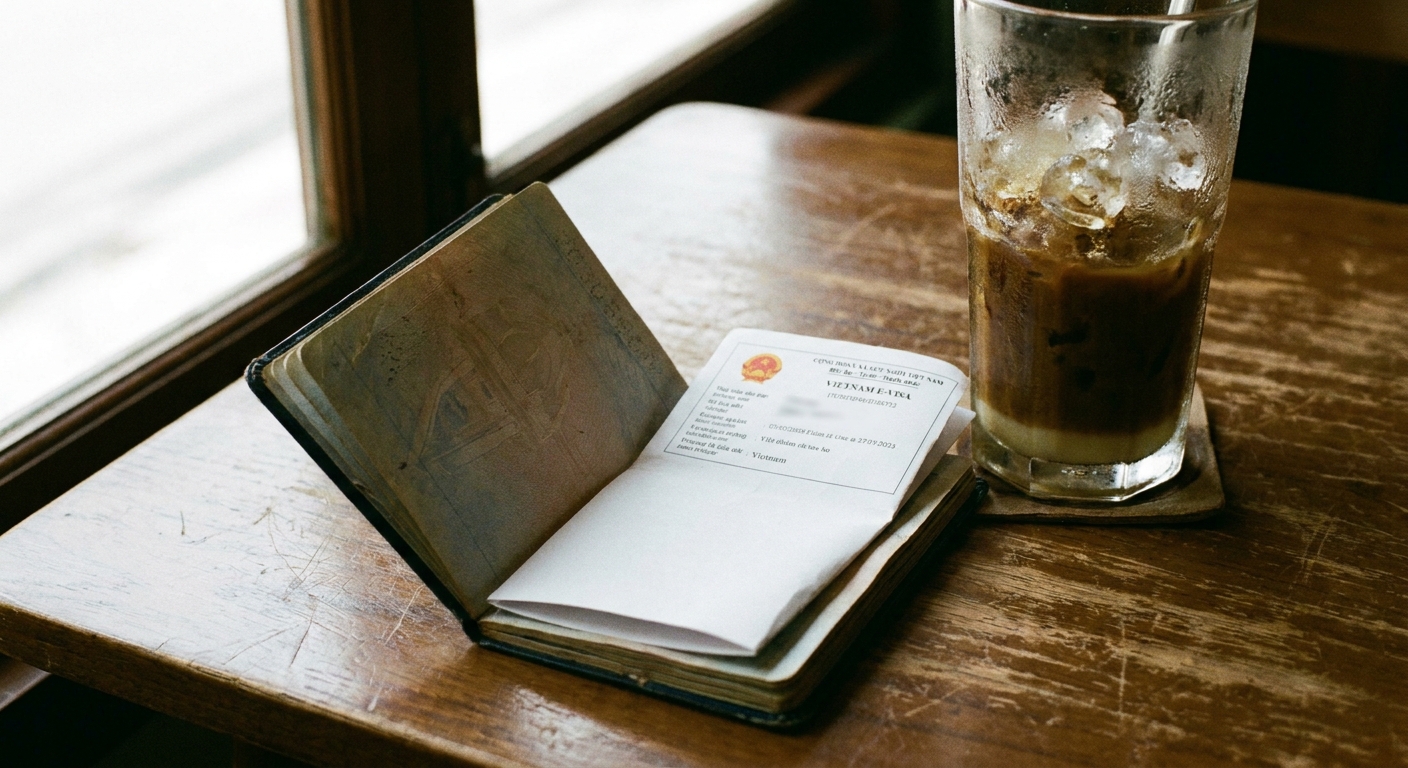
Once you touch down at Noi Bai or Tan Son Nhat, the immigration officer’s process is surprisingly mechanical. They scan the barcode located on your Vietnam evisa approval email printout to pull up your digital record in the system. They are verifying that the data you submitted weeks ago matches the biometrics and physical passport sitting in their hands. They generally do not need to see your hotel bookings or travel insurance, but having these saved offline provides a sense of clarity if an officer asks a clarifying question about your intended stay. If you plan to head straight to the center of the country to explore sites like the historic citadel in Hue, keep your itinerary details accessible in your cloud storage so you can easily reference your next destination if asked.
To ensure your arrival is as smooth as possible, keep this specific set of documents stored in a dedicated folder on your device and print them out at home before you leave:
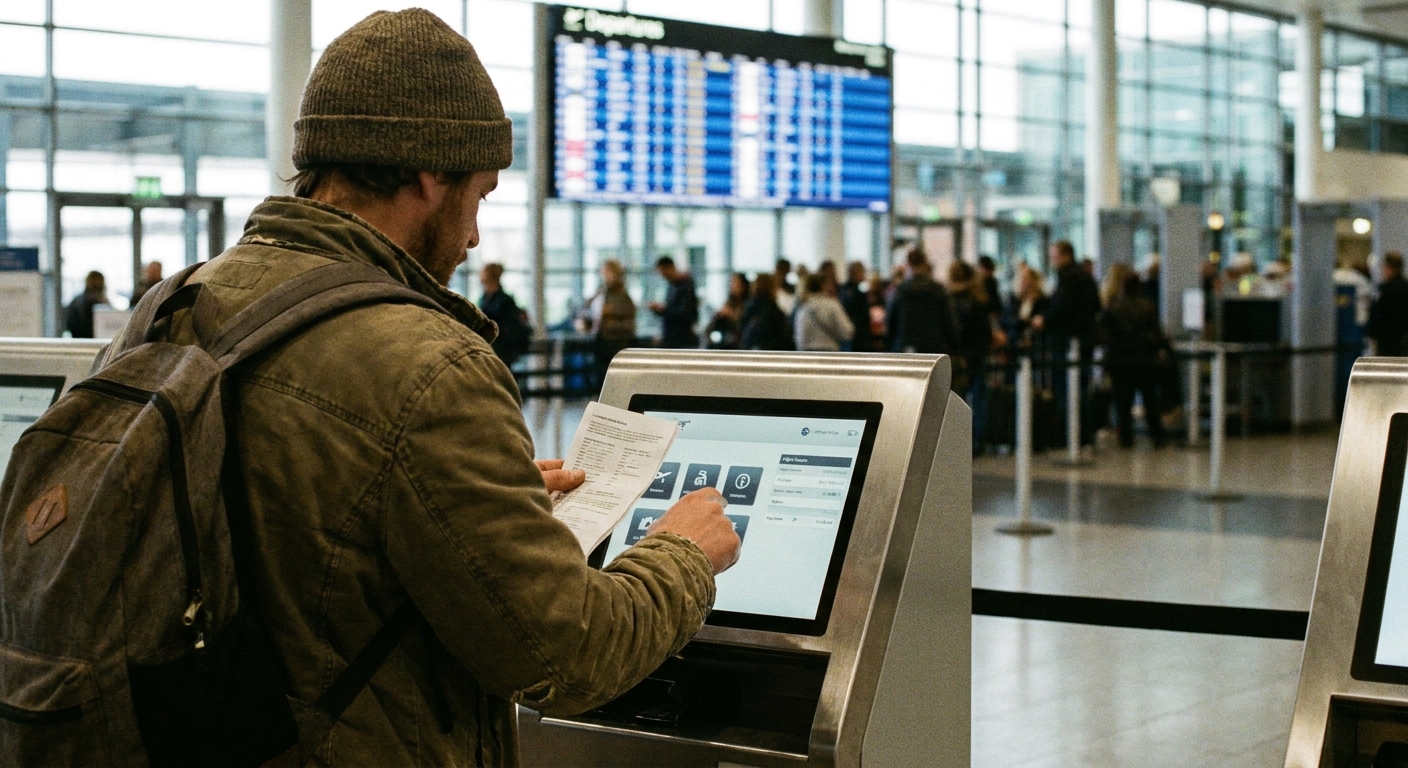
- The physical printout of your approved e-visa letter (at least two copies).
- A digital copy of your flight itinerary showing your departure from Vietnam.
- The original passport you used for the application.
- A small backup of your first night’s hotel address and contact details.
One detail that frequently causes panic is the “entry port” field. If your plans change after you receive your approval, it is generally recommended to apply for a new visa if you intend to arrive at a completely different land border or airport, though major international hubs are occasionally more lenient. However, treating the specified port as a binding contract is the safest way to travel. The system is designed to track your movement, and the officers at the desk are rarely in the mood for administrative exceptions. By having the correct documents prepared, you allow the immigration process to happen exactly as it should: quickly, efficiently, and without unnecessary conversation. Once the stamp hits your passport page, the bureaucratic side of your trip concludes, leaving you free to focus on the coffee, the street food, and the journey ahead.