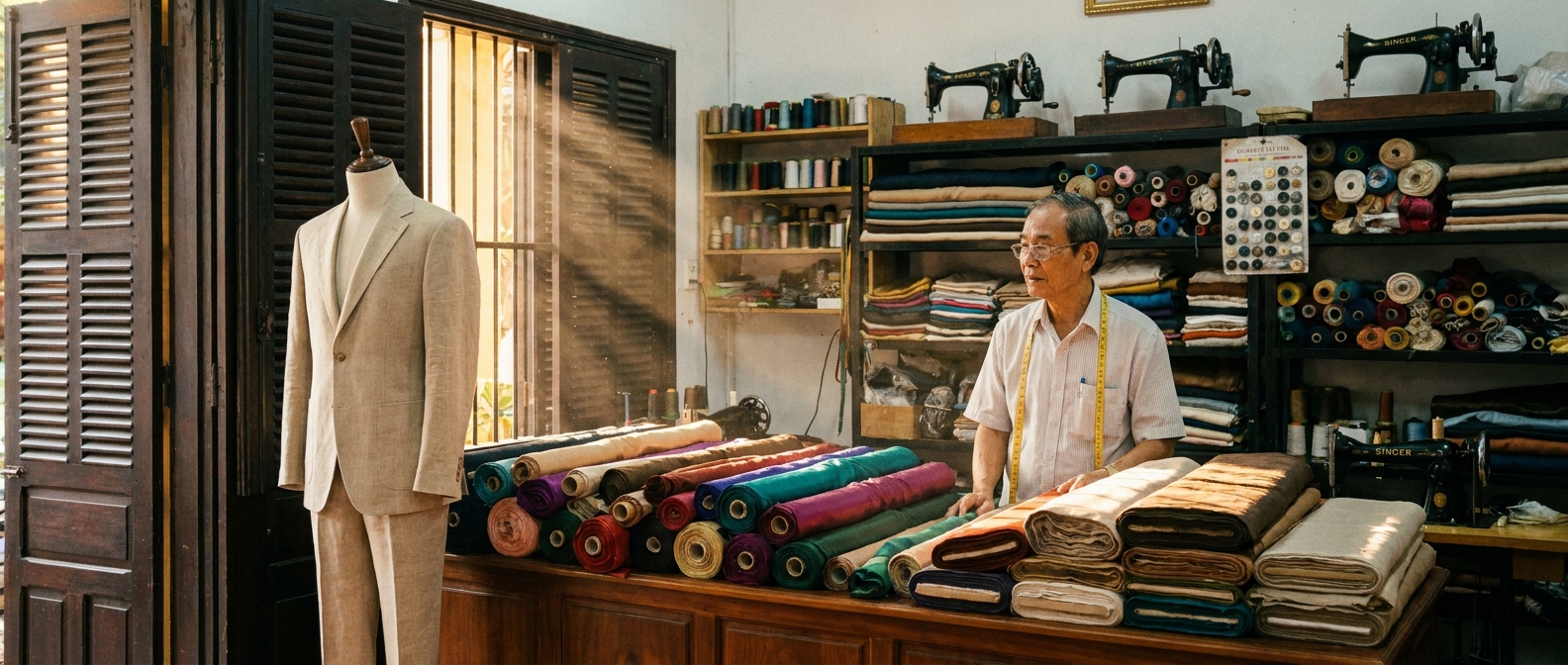
The humidity in Hoi An hits you the moment you step onto the Ancient Town’s cobblestones, but the sheer volume of fabric hanging in storefronts is what really draws the eye. Every few meters, a tailor shop promises a bespoke tuxedo or a flowing silk dress in under twenty-four hours. It is seductive, especially if you have arrived with an empty suitcase and a dream of sharp, well-fitting clothes. However, the reality of getting a custom suit Hoi An made is often more about logistics than it is about fashion.
Most travelers make the mistake of walking into the first shop with a bright, welcoming sign. These storefronts are often just the public face of a high-volume operation. If you walk into a shop where the staff is aggressive about getting you through the door, understand that they are likely not the ones holding the needle. Instead, they are the front-end sales team. Once you select your fabric and pay your deposit, your measurements are sent to a back-alley factory on the outskirts of town where dozens of workers churn out garments to meet the quotas of ten different storefronts. This isn’t inherently bad, but it means you are getting mass-produced work, not the artisanal attention to detail you might be expecting.
Finding Genuine Craftsmanship and Realistic Timelines
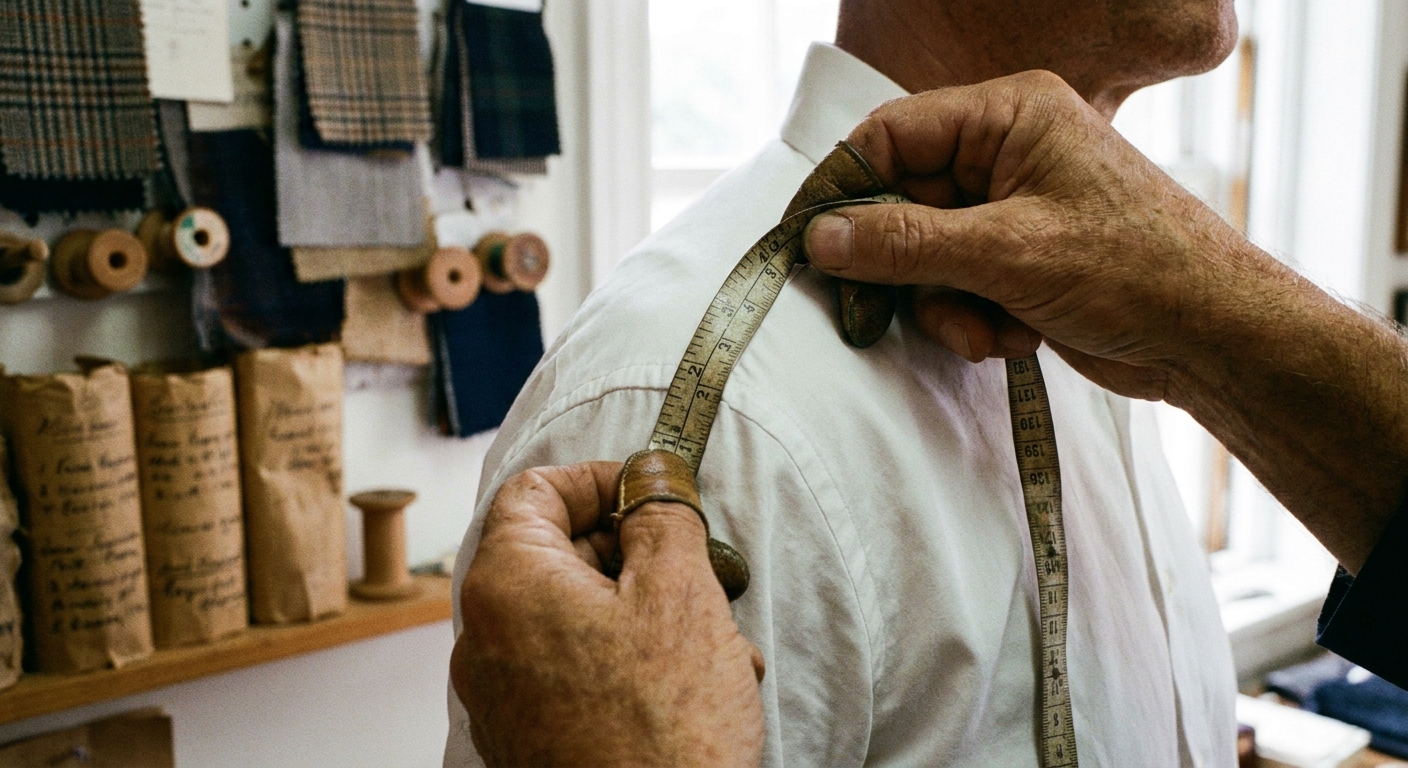
To avoid disappointment, you need to be realistic about time. A true custom garment requires structure, and structure requires time for the canvas to set and the fabric to settle. If a shop promises a three-piece suit in six hours, they are rushing the steaming and pressing process, which is how you end up with lapels that roll and pockets that sit unevenly after a week of wear. A high-quality hoi an tailor suit typically requires a minimum of three days. The first day is for measurements and fabric selection, the second for the primary fitting, and the third for final adjustments. If you skip the second fitting, you are essentially gambling with your money.
When you visit a shop, pay close attention to the fabric tiers. You will be shown a massive catalog of swatches, but it is easy to get overwhelmed by marketing labels like “Italian wool” or “Super 180s.” In truth, many of these labels are aspirational rather than literal. Ask to see the fabric off the roll, not just in a book. Feel the weight of it. A quality fabric should have a bit of bounce when you squeeze it; if it feels stiff or synthetic, it likely has a high polyester blend. Polyester is breathable in neither the Hoi An heat nor your home climate, and it will shine under harsh office lights within a few months. If the price seems suspiciously low, it is because you are paying for synthetic scraps, not high-grade wool or linen.
Before you commit, look for these specific indicators of a shop that actually stitches in-house:
- Visible sewing machines behind the counter rather than just a sales desk.
- Staff who are willing to discuss the canvas construction—half-canvas versus full-canvas—rather than just talking about colors.
- An environment that is relatively quiet and focused, rather than a shop bustling with dozens of tourists being rushed into dressing rooms.
- A willingness to show you the internal seams and the quality of the lining rather than rushing you to the payment terminal.
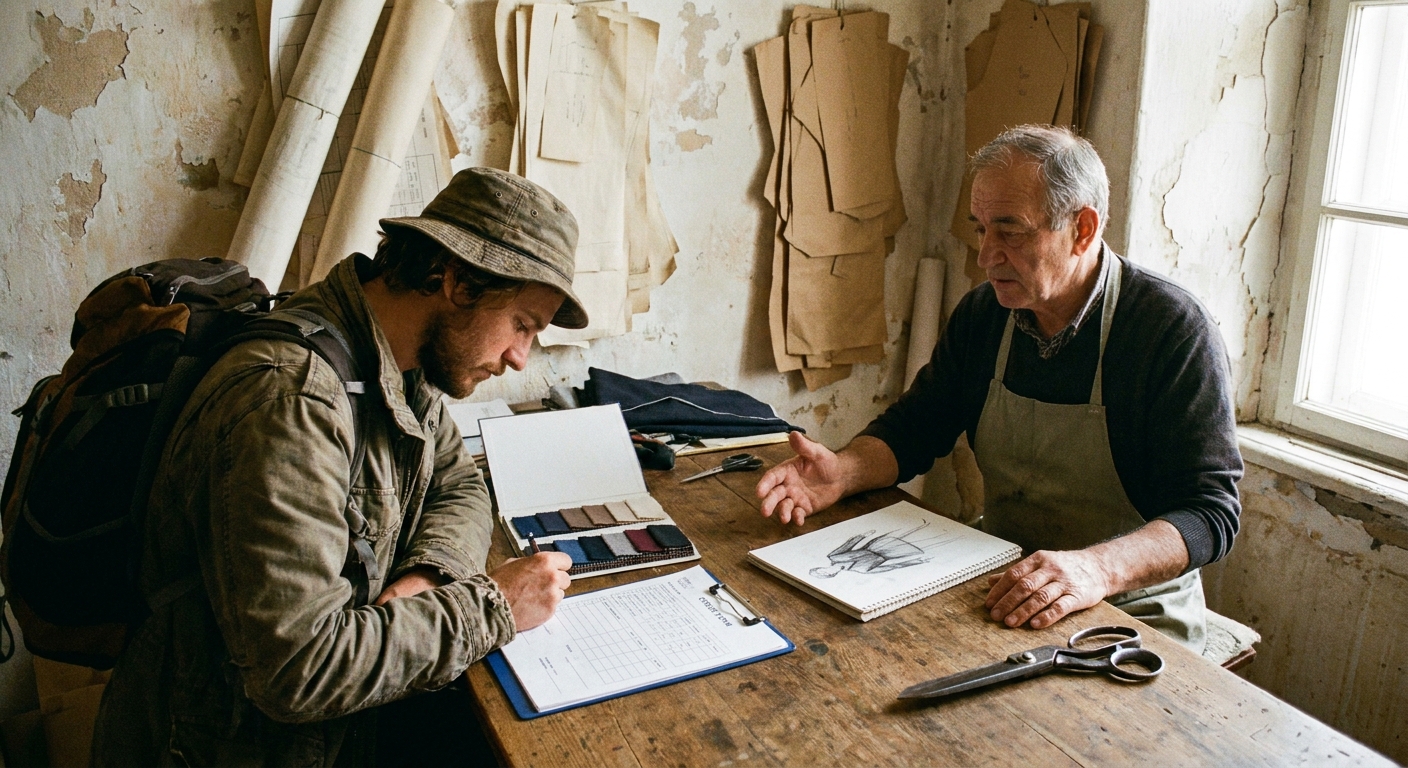
When it comes to the fitting, be vocal. This is the most crucial part of vietnam tailoring. Do not simply say, “It feels fine,” because the tailor is often looking for a quick approval to finish the job. Check the sleeve pitch, ensure the trousers sit correctly on your shoes, and confirm that the jacket isn’t pulling across your back when you reach forward. If you feel the need for an adjustment, be specific about what bothers you. A professional tailor will never be offended by a request for a tighter cinch or a slightly shorter hem. In fact, the best tailors in town appreciate a client who knows exactly how they want their silhouette to look.
Finally, remember that you are in a tropical climate. Even the best-constructed wool suit will suffer if you pack it tightly into a suitcase immediately after pickup. Let your garment air out and hang properly in your hotel room for at least twenty-four hours before you even think about folding it. The secret to a long-lasting piece isn’t just in the initial stitching; it is in how you treat the wool once it leaves the shop. If you give the tailor time, choose a fabric that feels substantial, and insist on at least two fittings, you will walk away with a garment that justifies the trip and avoids the common pitfalls of impulsive travel shopping.