
The mist clings to the limestone karsts like a damp wool blanket, transforming the emerald water of Ha Long Bay into a scene from a traditional ink wash painting. You are standing on the deck of your junk boat, coffee in hand, watching the silhouette of a passing sampan fade into the grey horizon. It is November, and for the first time since you landed in Hanoi, the humidity has retreated. In its place is a crisp, biting stillness that reminds you why the locals start reaching for their puffer jackets the moment the calendar hits the eleventh month.
Understanding the Ha Long Bay weather in November requires abandoning the idea of a tropical beach getaway. While the scorching heat of the summer has vanished, the bay is not exactly shivering, either. It occupies a tricky middle ground. During the middle of the day, the sun can still pierce through the cloud cover with enough intensity to make you regret that heavy sweater. By four o’clock, however, the temperature drops with surprising speed, and the wind whipping off the Gulf of Tonkin carries a persistent chill that cuts right through flimsy cotton shirts.
Layering for the shifting northern maritime climate
The secret to mastering what to wear in Vietnam winter is not about packing a winter coat, but about embracing the versatility of the thin layer. You want to avoid the “tourist trap” of showing up in a bulky, waterproof parka that makes you sweat during a morning kayak session, only to find yourself shivering on the sundeck after sunset. Instead, focus on fabrics that breathe but insulate.

Start with a base that can handle the humidity, even when it’s cool. A long-sleeved merino wool top is your best friend here. It regulates heat exceptionally well, keeping you cozy when the wind picks up on the top deck but preventing you from overheating if you decide to climb the stairs to the Ti Top Island viewpoint. Over that, a light fleece or a cashmere sweater provides the necessary warmth for lounging in the dining area or enjoying the evening light show on the water.
A windbreaker is non-negotiable. The bay is exposed, and the breeze is constant. Even on a clear, sunny November day, that wind can turn a comfortable afternoon into a frigid one within minutes. A high-quality, lightweight windbreaker that folds down to the size of a paperback book will save you from having to rush back to your cabin every time the sun dips behind a karst formation. If you are prone to cold, consider bringing a light scarf; it takes up almost no space in your day bag but makes a world of difference when you are watching the stars from the bow of the boat.
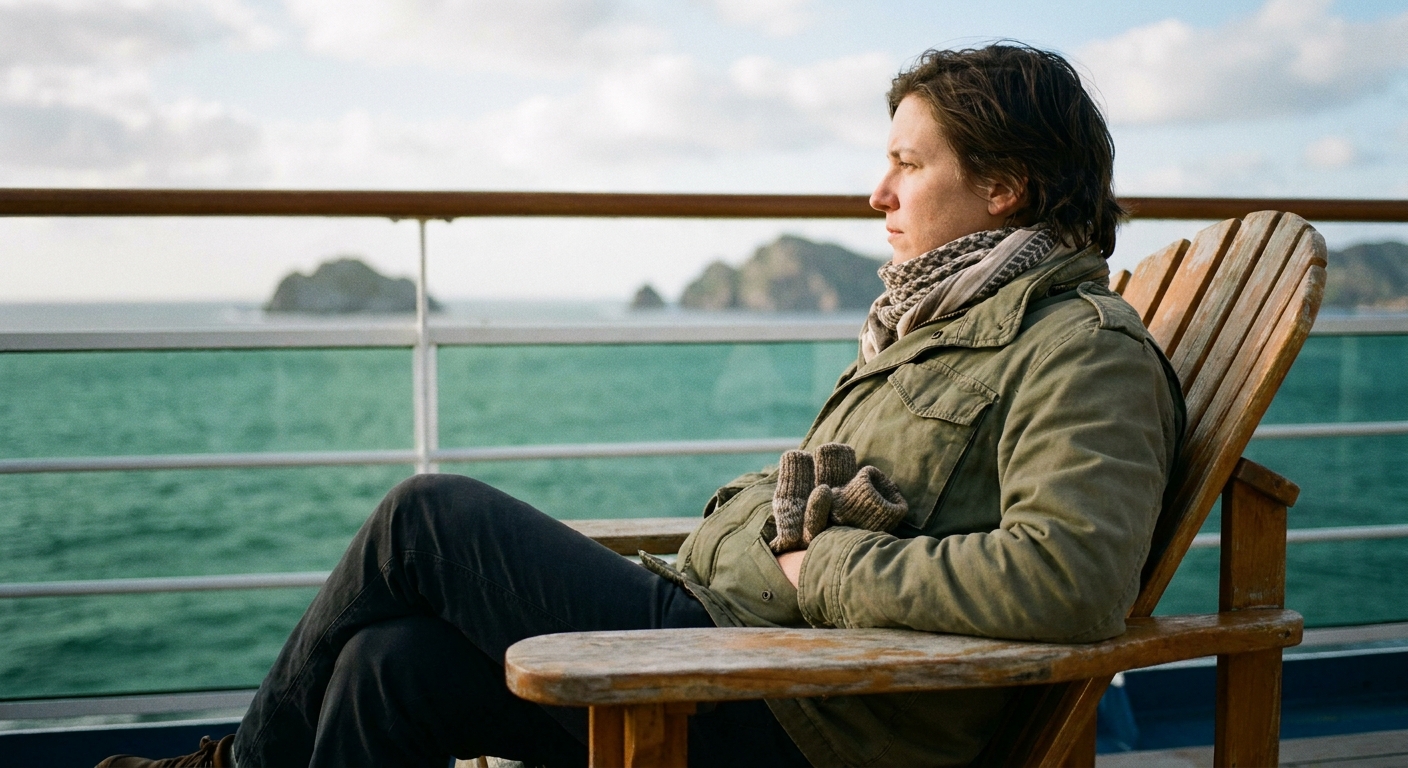
Beyond the layers, your footwear needs to be practical for both the boat’s polished wooden decks and the jagged stone trails of the island caves. Pack a pair of comfortable, closed-toe walking shoes that have good grip. You will be transitioning from slick wet rocks to slippery stairs, and sandals—while iconic for a beach trip—are rarely the right choice for an excursion in the north at this time of year. Bring a pair of wool-blend socks to keep your feet dry and warm; there is nothing more miserable than soggy feet when the temperature hovers around 18 or 20 degrees Celsius.
If you are trying to minimize what you carry, focus on these versatile essentials:
- A high-quality, packable windbreaker or light shell jacket.
- Two or three lightweight merino wool or synthetic base layers.
- One mid-weight sweater or fleece that can be easily pulled off.
- A pair of sturdy, water-resistant sneakers with reliable traction.
As the boat anchors for the night in a quiet cove, the water becomes perfectly still, mirroring the lights from the portholes above. You will notice the other travelers gathering in the communal lounge, most of them finally layering up properly. The air inside is warm, smelling faintly of ginger tea and the evening’s seafood dinner. By dressing for the nuance of the season rather than the extremes, you have successfully avoided the shivering that plagues the under-prepared, leaving you free to simply watch the tide change against the darkened rocks.