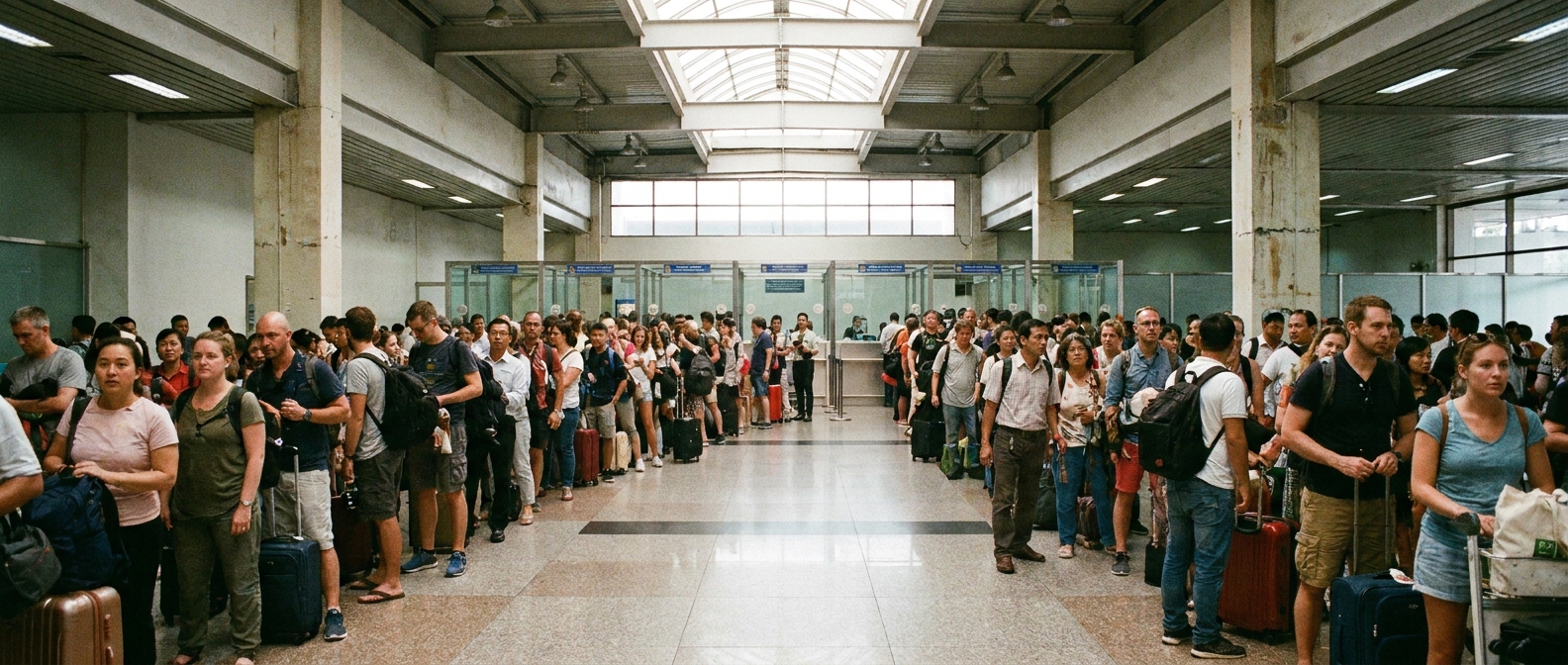
A single flick of the cursor, an extra space in a surname, or the omission of a middle name can turn a simple electronic application into a border control nightmare. Vietnam immigration authorities process thousands of e-visa requests daily, and their system is built on rigid, machine-readable logic. If the data on your PDF approval letter does not perfectly mirror the string of characters embedded in the machine-readable zone at the bottom of your passport, you are effectively invisible or, worse, inadmissible.
The most frequent point of failure is the distinction between a typo and a fundamental name mismatch. A typo might be a singular transposed letter—like an ‘e’ instead of an ‘i’ in a name like ‘Smith’—which sometimes garners a human review or a request for correction if caught early. However, a Vietnam visa name mismatch is far more systemic. This occurs when the field structure of the application doesn’t align with the legal document. For instance, if your passport lists “John Quincy Adams” as your full name, but you provide “John Adams” on the e-visa form, the system flags this as a discrepancy. Immigration officers expect every name component listed on the passport to appear on the visa, regardless of how often you use that middle name in your daily life.
The Structural Trap of Given and Family Names
Passport formats vary wildly across the globe, and this is where most travelers stumble. In many Western countries, “Surname” and “Given Name” are distinct, clear-cut fields. However, if your passport simply lists “Full Name” without delineated boxes, or if your culture utilizes a naming convention that doesn’t follow the Western “First-Middle-Last” pattern, the e-visa portal can be unforgiving. A common passport name error arises when applicants try to “fix” what they perceive as an awkward passport format. If your passport puts your surname first, you must copy that layout exactly into the corresponding field on the e-visa portal. Trying to rearrange your name to fit a Westernized expectation will almost certainly result in a rejection.
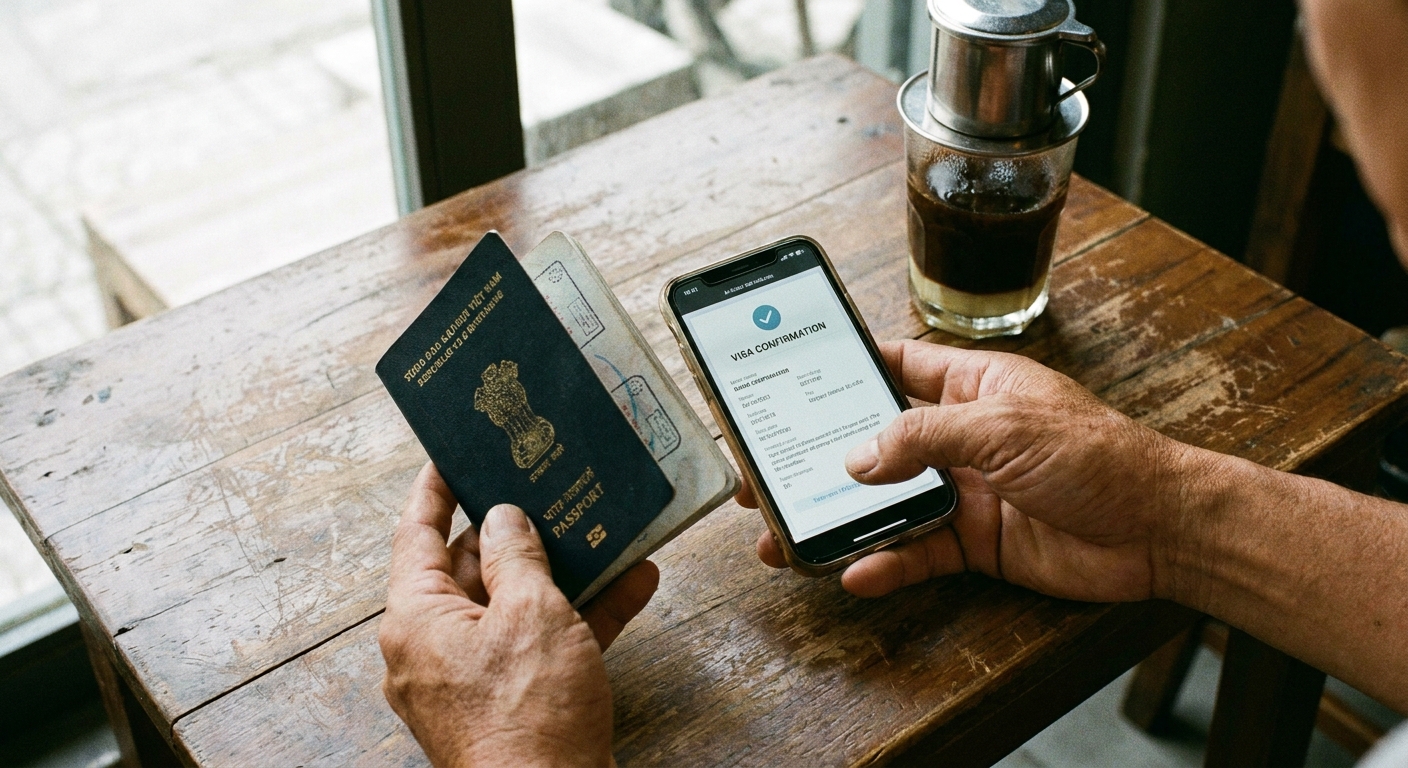
Middle names are the silent killers of travel plans. Many travelers assume that since their middle name isn’t required for a boarding pass or a hotel booking, it is optional for a visa. This is a dangerous assumption. If your middle name appears in the machine-readable zone of your passport, it must appear on your Vietnam e-visa application. If it is missing, the official at the immigration gate sees an incomplete identity. Some applicants think they can simply squeeze their middle name into the “Given Name” box, but if that causes the total character string to differ from the passport’s digital scan, you have inadvertently created a conflict that the system cannot reconcile.
It is helpful to look at how these errors usually manifest:
- Reversing the order of given names and family names during data entry.
- Including titles such as Mr., Ms., or Dr., which the passport does not recognize as part of a legal name.
- Omitting hyphenated components of a surname that appear in the passport’s digital strip.
- Using phonetic spellings or nicknames that differ from the official legal registration.
Beyond the structural errors, there is the issue of punctuation. Names that include apostrophes or hyphens—like O’Connor or Smith-Jones—often encounter technical glitches in older government databases. While the portal might allow you to type these characters, they may be stripped or replaced by spaces in the final approval document. If your printed visa looks different from your passport because of a missing dash, don’t panic immediately; that is often a system-wide formatting limitation. However, if the letters themselves are incorrect, you have a genuine problem. When in doubt, ensure the letters match exactly, as the computer-readable scan is the final arbiter of truth at the airport.
If you discover that you have made a mistake after submission, the reality is rarely favorable. The Vietnam e-visa system does not typically allow for “corrections” once the status has moved to processing. You are often forced to wait for the final refusal or approval, and if the mismatch is significant, you may have to submit an entirely new application and pay the fee again. This is why the pre-arrival phase is so vital. Before you click submit, take a physical copy of your passport and hold it against the screen, letter by letter. Do not rely on your memory or a saved browser autofill. The time you spend verifying these fields is minimal compared to the hours or days lost trying to rectify a mismatch at a departure gate while your flight is boarding.
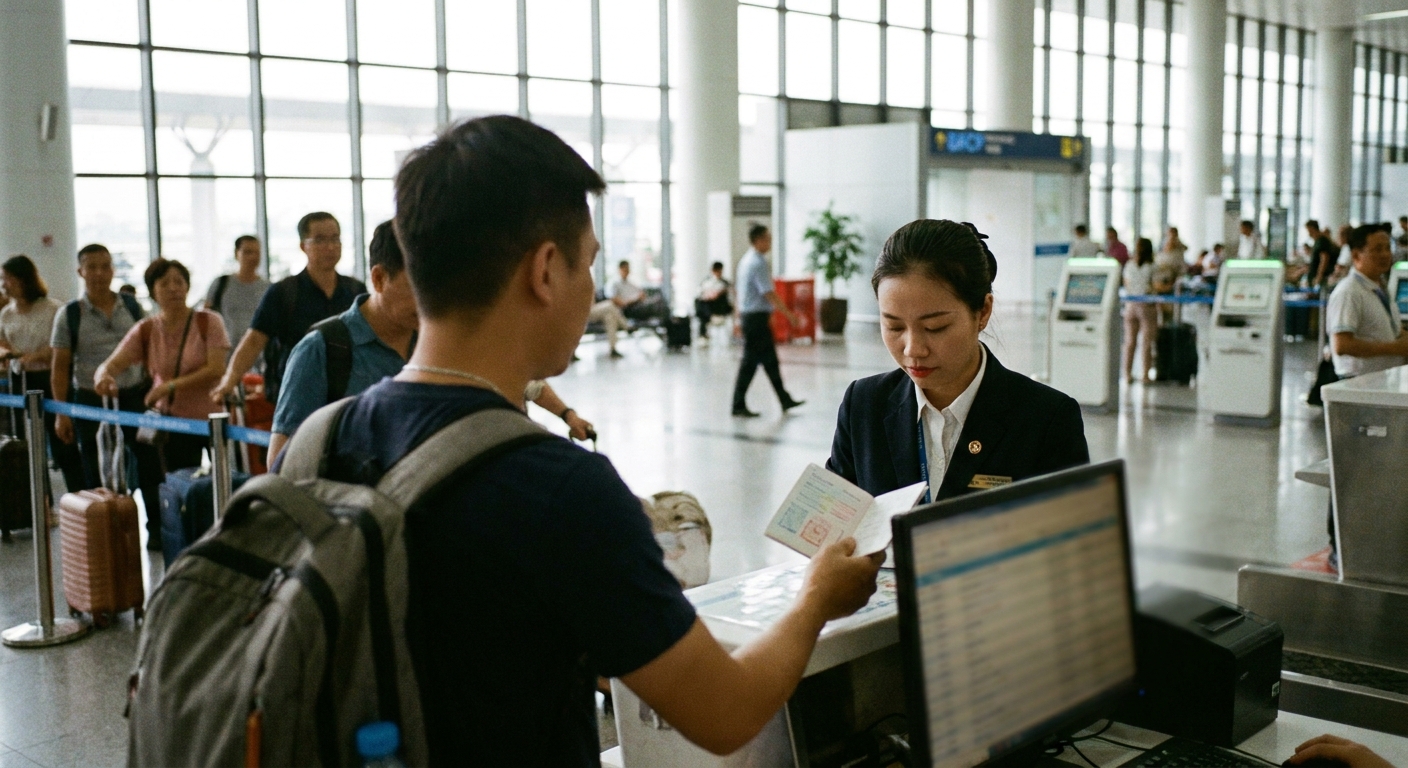
The transition from the digital application to the physical arrival at a Vietnamese border crossing is where these discrepancies move from an annoyance to a hard stop. Immigration officers have a limited amount of time to process each passenger, and their reliance on the digital match is absolute. They are not looking for a clever explanation of why your name was shortened or why a middle name was omitted. They are looking for a digital handshake between your travel document and the visa approval. If those two data sets do not talk to each other, the conversation effectively ends at the desk.