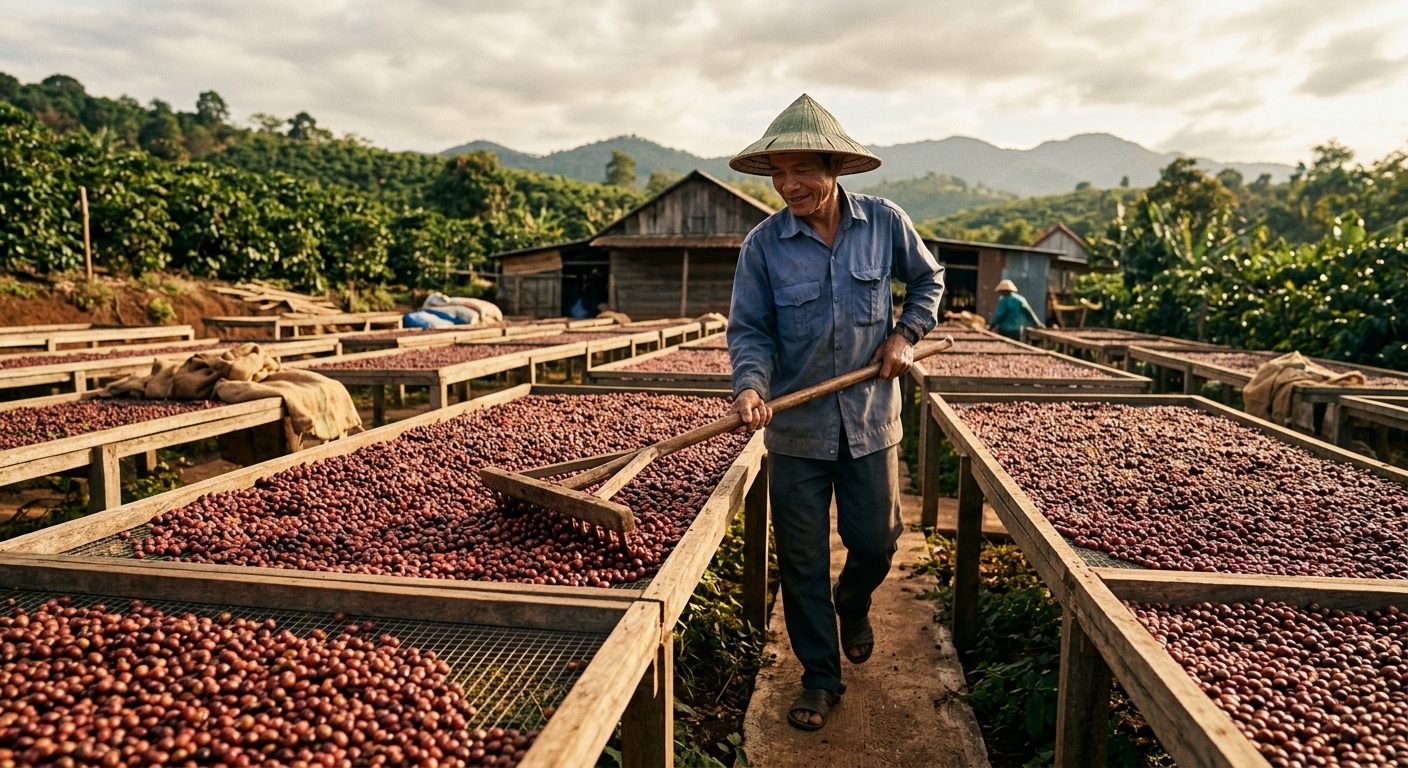
The morning air in the Central Highlands doesn’t just feel cold; it feels heavy with the scent of damp earth and ripening cherries. As the fog lifts off the rolling hills surrounding Buon Ma Thuot, the landscape reveals an endless sea of deep green coffee bushes, their branches sagging under the weight of vibrant, crimson fruit. Most travelers who arrive here are chasing the rugged charm of the Dak Lak province, but they quickly realize that the real heartbeat of the region is found in the dirt under their fingernails.
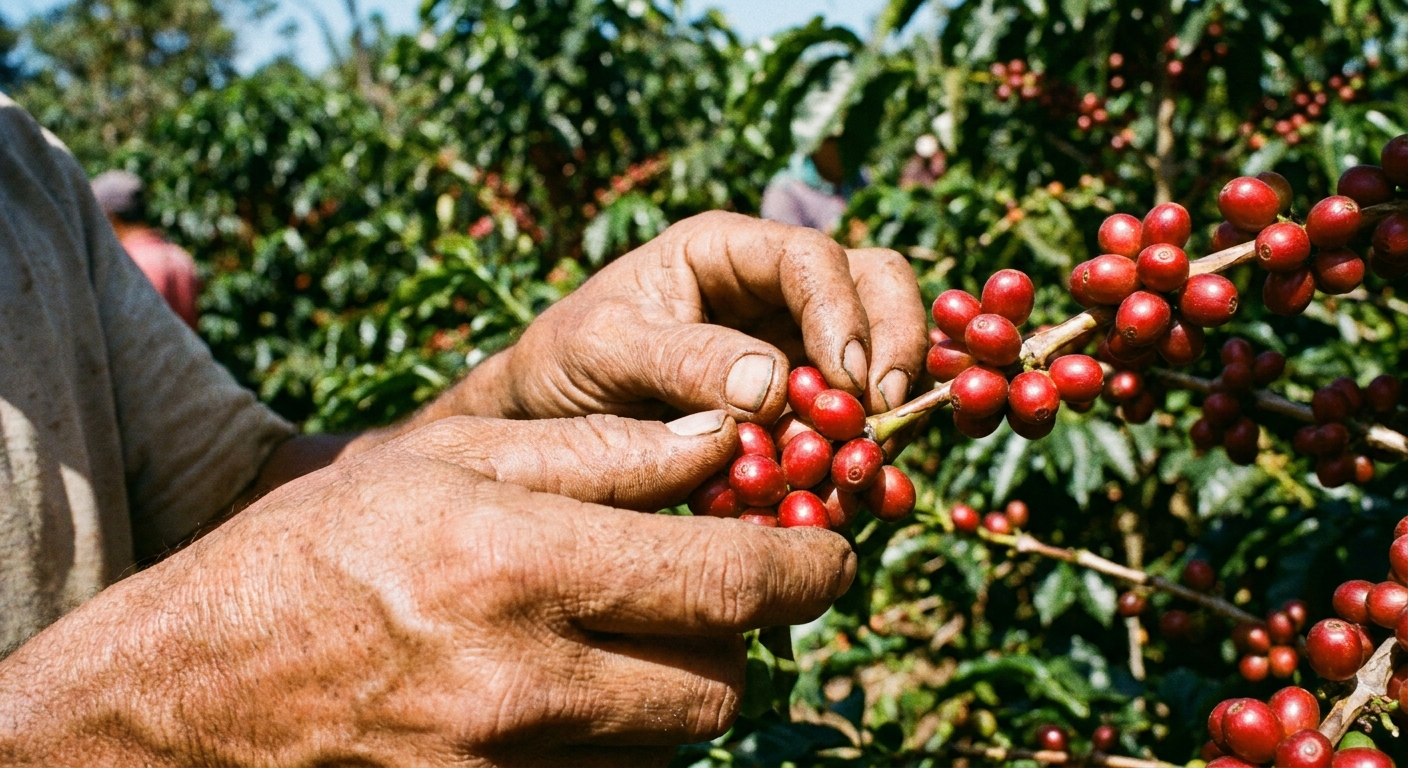
Walking through a smallholder coffee farm during the harvest season is a sensory overload. Unlike the manicured, industrial estates found in some parts of the world, these family-run plots are a chaotic, beautiful ecosystem. You will see farmers moving through rows of trees with handheld baskets, meticulously selecting only the deepest red cherries, leaving the greener ones to mature for a second pass. This is the difference between mass-market production and the specialty-grade potential that is finally putting Vietnamese beans on the global map.
From Branch to Bean: The Art of the Harvest
The process is far more scientific than the humble appearance of these small farms might suggest. Once the baskets are full, the cherries are transported to a central yard. This is where the magic of the wet-process kicks in. I watched as the farmers fed the harvest into a hand-cranked de-pulping machine, stripping away the fleshy outer layer to reveal the sticky, honey-colored parchment beneath. The beans are then submerged in large, concrete water tanks. This fermentation period is critical; it is where the acidity and the character of the bean are defined. The air here is sharp, smelling faintly of yeast and sweet fruit, a far cry from the burnt, bitter profile most people associate with generic grocery store beans.
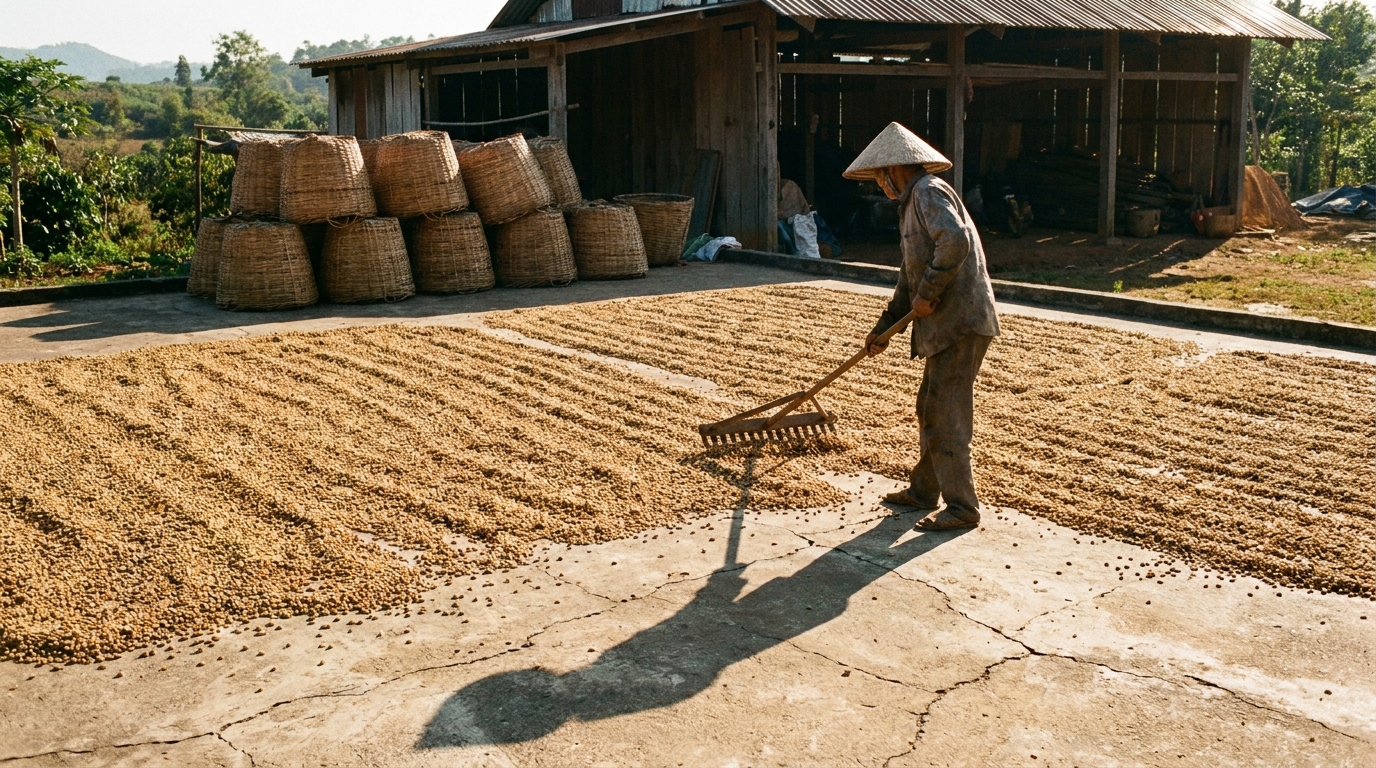
After the soak, the beans are spread across expansive concrete patios, or sometimes raised bamboo beds, to dry under the equatorial sun. It is a slow, meditative labor. Every few hours, a farmer walks through with a wooden rake, turning the beans so they dry evenly and avoid the dreaded mold that can ruin a batch. This is the stage where you begin to understand the real depth of buon ma thuot coffee. When treated with this level of care, the robusta variety sheds its reputation for being merely high-caffeine filler. Instead, it offers a surprisingly rich, nutty profile with subtle hints of dark chocolate and malt.
If you are planning to organize a vietnam coffee farm tour, keep in mind that the region operates on its own clock. The harvest usually hits its stride between November and February. During this time, the entire community is mobilized. You aren’t just a tourist watching a demonstration; you are witnessing a vital economic cycle that has sustained the Ede and M’nong ethnic minority groups for generations. If you show respect and curiosity, the farmers are often happy to let you try your hand at sorting the cherries or raking the drying beans.
When you are in the central highlands coffee belt, it pays to observe the small details that define local quality control. During my visit, I noticed a few specific markers that distinguish a top-tier smallholder farm:
- The presence of shade trees, such as avocado or durian, which slow the ripening process and add complexity to the soil.
- Uniformity in the color of the cherries being processed, indicating a focus on selective picking rather than mechanical strip-harvesting.
- The cleanliness of the drying patios, ensuring the beans don’t pick up unwanted earthy contaminants during their most vulnerable stage.
Drinking a cup of coffee inside one of these farms is a transformative experience. You can walk into the kitchen of a farmer’s stilt house, where they will likely brew a batch using a traditional metal phin filter. The result is intense, velvety, and deeply aromatic. It is thick enough to coat a spoon and tastes like toasted cocoa and brown sugar, entirely devoid of the chemical aftertaste found in pre-ground supermarket blends. It is a reminder that what we consume is rarely just a commodity; it is the result of thousands of micro-decisions made by people who have spent their lives mastering the nuances of their specific plot of land.
As the sun begins to set over the horizon, casting long shadows across the drying patios, the workers begin to stack the mats, covering the beans to protect them from the evening dew. There is a quiet satisfaction in their movements, a rhythm dictated by the harvest rather than the clock. Leaving the farm, you realize that you haven’t just learned about coffee processing—you have gained a new appreciation for the quiet, labor-intensive work that fuels the morning routines of millions across the globe. The Central Highlands do not shout about their importance; they simply grow, harvest, and dry, one cherry at a time.