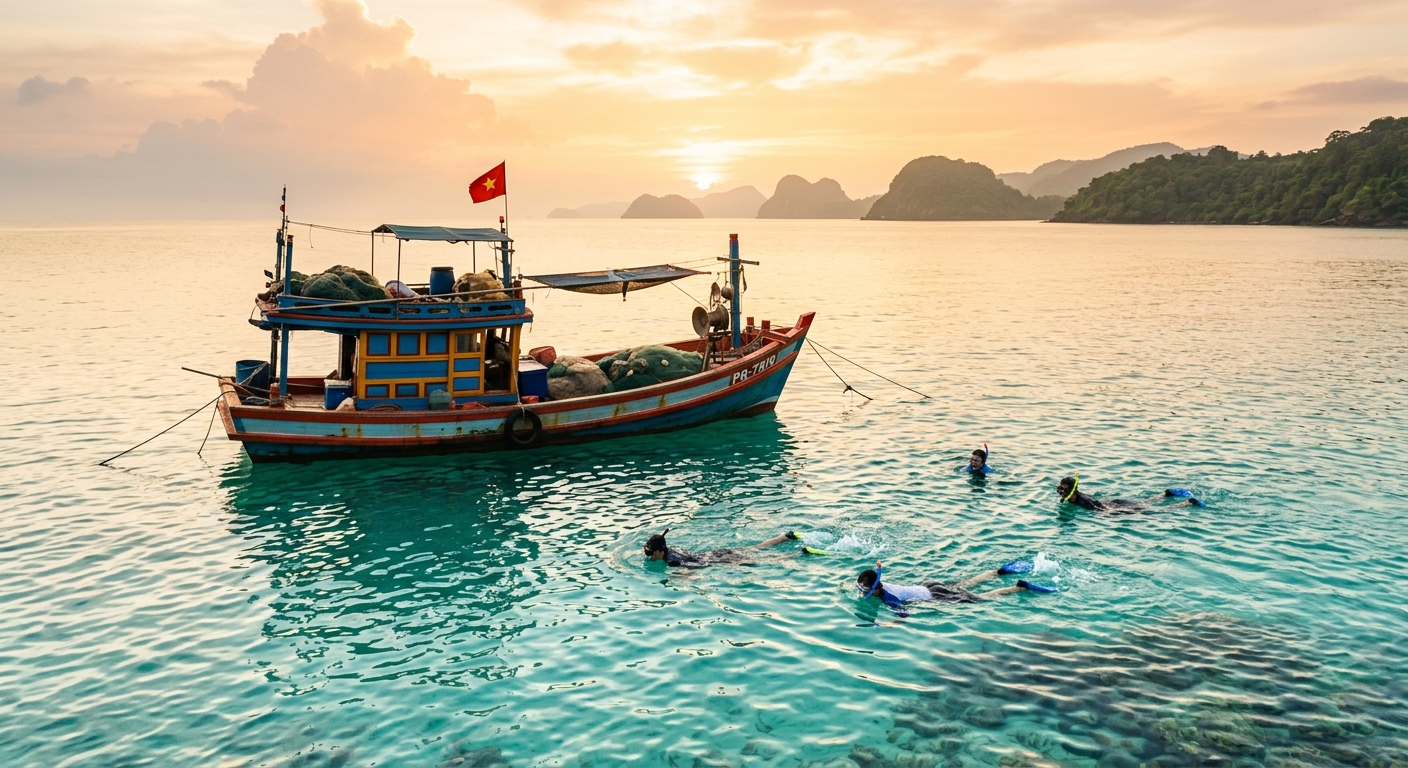
The humidity at An Thoi pier hits you like a warm towel the moment you step out of your taxi at 7:30 in the morning. While the rest of Phu Quoc is still nursing iced coffees, this southern tip of the island is vibrating with the sound of diesel engines and the frantic sorting of flippers. Choosing to bypass the sanitized, air-conditioned bus pick-ups offered by your hotel is the first step toward a more authentic morning. By paying a local boat captain directly or booking through a smaller, independent outfit, you trade a slightly chaotic dockside negotiation for the freedom to dictate your own pace.
Most boat tours depart from this bustling harbor, heading toward the An Thoi islands that scatter like emeralds across the Gulf of Thailand. If you have opted out of the mass-market hotel package, you will likely find yourself on a smaller wooden vessel rather than a double-decker party boat. There is a distinct rhythm to the journey: the initial surge of the motor, the salt spray catching the morning light, and the slow transition from the construction-heavy shoreline to the jagged, uninhabited outcrops that define the archipelago. It is raw, it is loud, and it is precisely why you came.
What lurks beneath the surface by season
Snorkeling in these waters is a study in patience and seasonal timing. If you arrive in March, the water is a mirror—flat, crystalline, and usually boasting visibility that stretches for twenty meters or more. You are almost guaranteed to spot schools of neon-blue chromis and the occasional shy trumpetfish hovering near the coral shelves. The currents are gentle, making it an ideal window for beginners. Conversely, if you visit in October, you are catching the tail end of the monsoon season. The water may have a bit more silt, and the surface can be choppy, but the marine life often feels more active. During the autumn months, it is not uncommon to see larger sea urchins tucked into the crevices and an abundance of small, aggressive damselfish guarding their territory with surprising ferocity.
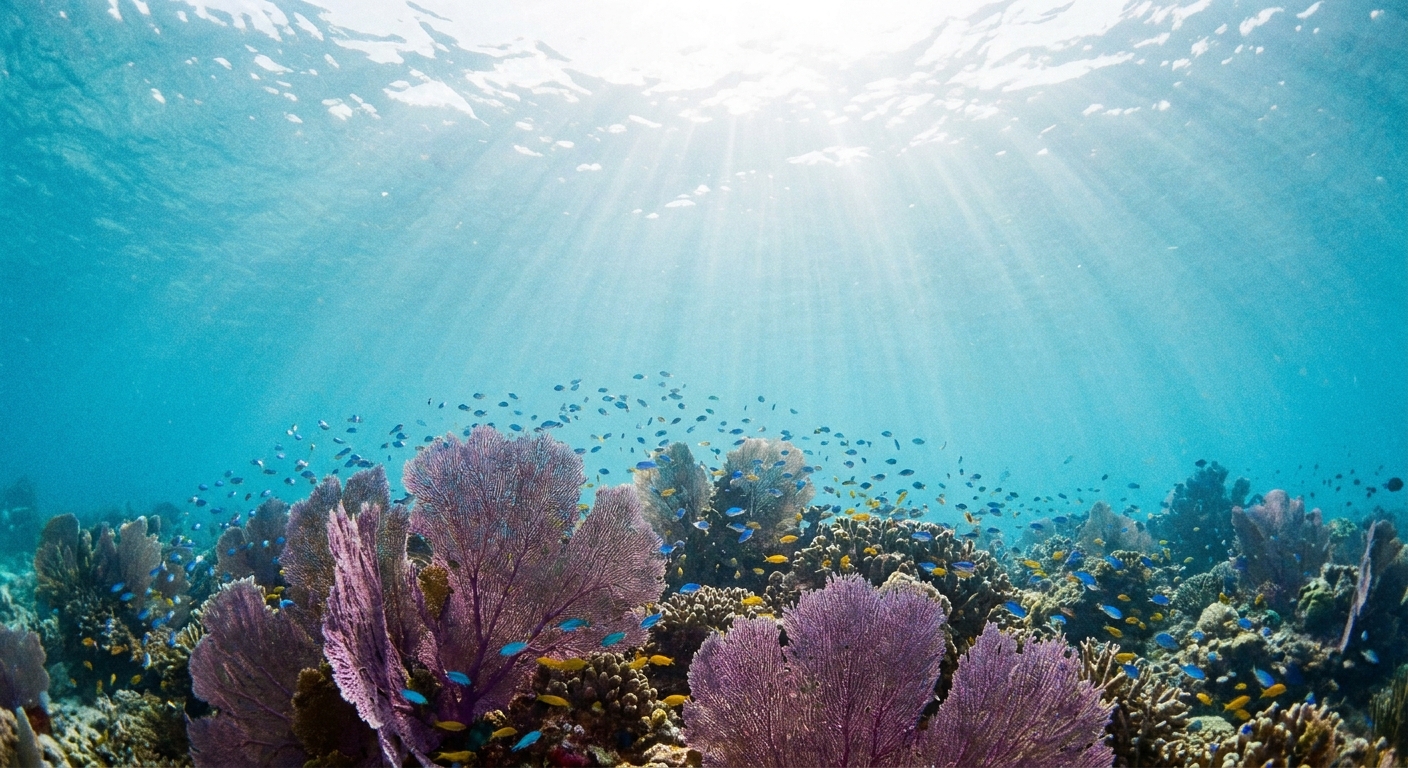
Regardless of when you visit, keep your expectations grounded. This isn’t the Great Barrier Reef; it is a recovering ecosystem. You will see patches of bleached coral interspersed with vibrant regrowth, and the fish populations have fluctuated over the years due to overfishing. You are here for the experience of the open water and the hidden coves, not necessarily for a nature documentary level of biodiversity.
The financial math of skipping the big tour groups is fairly straightforward. A typical hotel-arranged phu quoc snorkel trip usually includes a buffet lunch of questionable quality and a fixed itinerary that prioritizes souvenir shopping over time in the water. By arranging your own private or semi-private boat, you typically pay for the boat charter, the fuel, and a modest fee for your guide. While it might cost you thirty to forty percent more than the group tour, the ROI is found in the logistics. You gain the power to leave when the water gets murky, stay an extra hour at a spot you love, and avoid the crowded platforms where hundreds of tourists converge simultaneously.
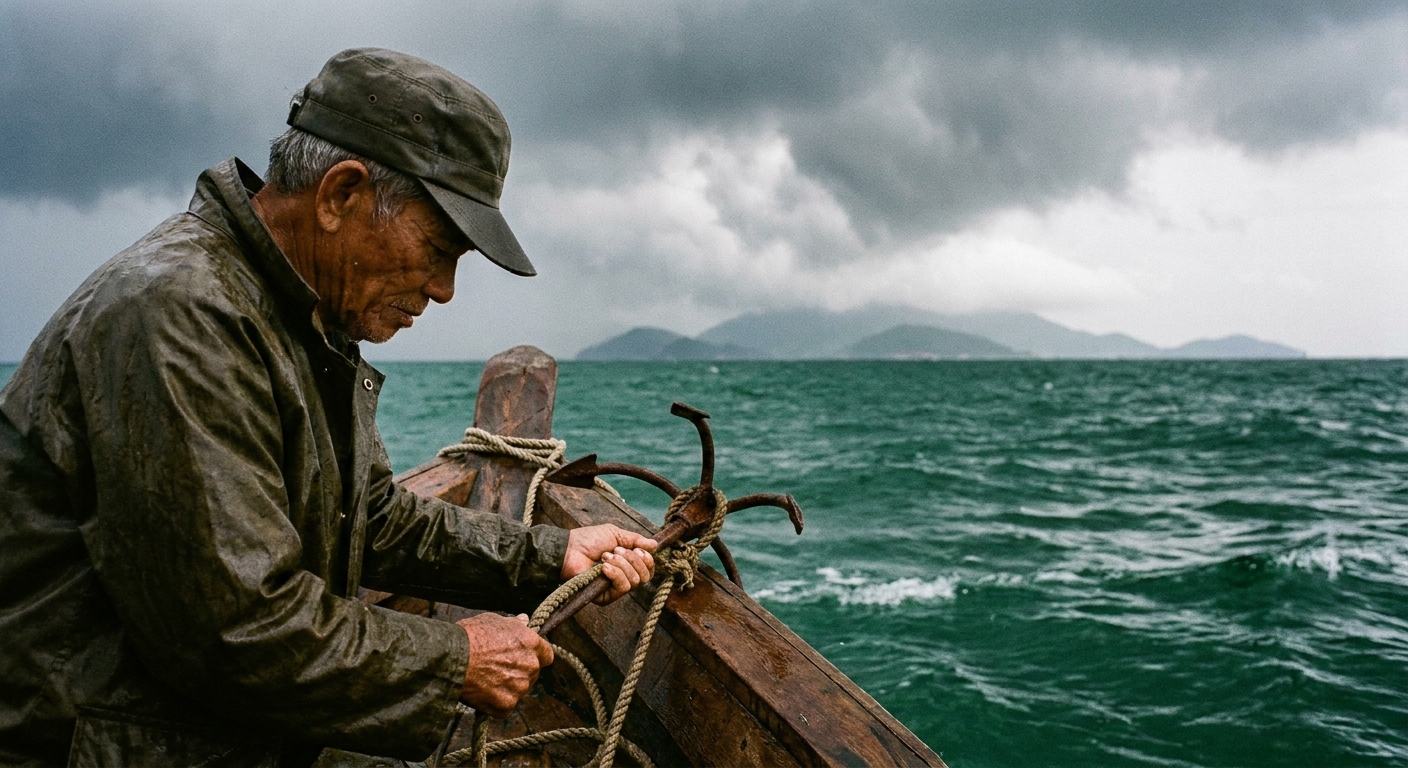
When you finally drop anchor at a remote bay, the silence is startling. It is just you, the water, and the distant hum of the boat engine idling nearby. To make the most of this, bring your own mask if you are particular about fit, as the rental gear provided on most boats is well-worn. Don’t forget the essentials for a day out at sea:
- High-SPF biodegradable sunscreen to protect the reef
- A dry bag for your phone and dry clothes
- A light windbreaker for the return trip when the sun dips
- Enough small-denomination Vietnamese Dong for potential tips or dock snacks
By the time you return to An Thoi, the sun will have baked the wooden planks of the pier, and the afternoon tide will be pulling back. Walking away from the harbor, you realize that the real value of a self-managed phu quoc boat tour isn’t just the fish you saw or the coral you documented. It is the ability to move through the islands as a visitor rather than a cargo item. You spent your morning navigating the currents of the An Thoi islands on your own terms, and that is a version of travel that no hotel brochure can ever replicate. As you head back toward town, the island starts to feel a little less like a tourist destination and a little more like a place you have actually begun to understand.