The blinking cursor on the official government portal offers little comfort when you are staring at a digital dashboard three weeks before your flight. You have uploaded your passport scan, verified your portrait photo, and paid the fee, yet the screen remains frozen in a state of digital limbo. Travelers often assume that checking their Vietnam e-visa status is a binary affair—either it is pending or it is done—but the reality of the visa processing stages is far more nuanced. Understanding the internal rhythm of these updates can turn a period of anxious refreshing into a more manageable waiting game.
The Anatomy of Your E-Visa Dashboard
When your application first transitions into the system, you see the “Received” status. This is not merely a formality; it is an automated acknowledgment that your data packet has been successfully ingested by the immigration server. If you find yourself stuck here for more than a few business days, it usually indicates that the initial digital verification is still in progress. Contrary to popular belief, this does not mean a human officer is necessarily reviewing your documents yet. It is the gatekeeping stage where the system ensures your file meets the basic technical requirements, such as file size, image clarity, and the absence of prohibited characters in your entry fields.
Once you see the status shift to “Processing,” you have officially entered the queue for human oversight. This is the stage where your details are compared against immigration databases. During this period, the clock is ticking on the standard three-to-five working days, though it is vital to remember that weekends and Vietnamese public holidays do not count toward this tally. If you see this status persist for an extended duration, it is often a sign of high application volume or a specific check being triggered by your personal details. It is rarely a cause for immediate alarm; it is simply the bureaucracy doing its work in the order it was received.

It is helpful to distinguish between the common status updates you might encounter during this window:
- Received: Your application is resting in the system’s inbox, waiting for the initial technical screening.
- Processing: An officer is reviewing your passport details and background information.
- Issued: The final approval has been granted, and your document is ready for download.
- Denied: A specific error or non-compliance was found, usually requiring a re-application.
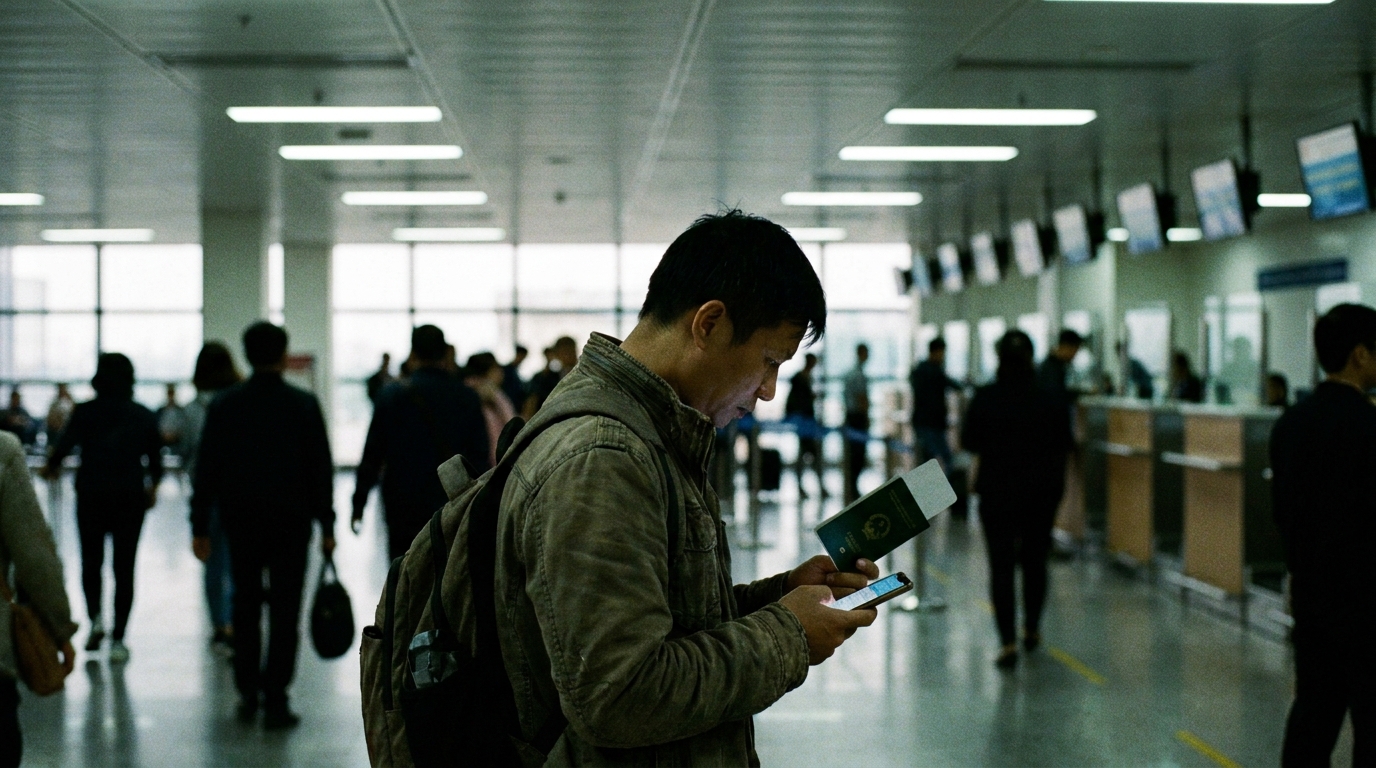
When the screen finally flips to “Issued,” the relief is palpable. However, your responsibilities do not end the second that status changes. Many travelers make the mistake of assuming the digital record is all they need. While the immigration officers at Tan Son Nhat or Noi Bai will have your data in their terminal, you are still required to present a physical or high-quality digital printout of your e-visa. This document serves as your authorization to board your flight and acts as your primary proof of entry upon arrival. Failing to have this hard copy ready can lead to unnecessary delays at the immigration counter, where you will be forced to explain your situation to an officer who is already managing a queue of tired, impatient passengers.
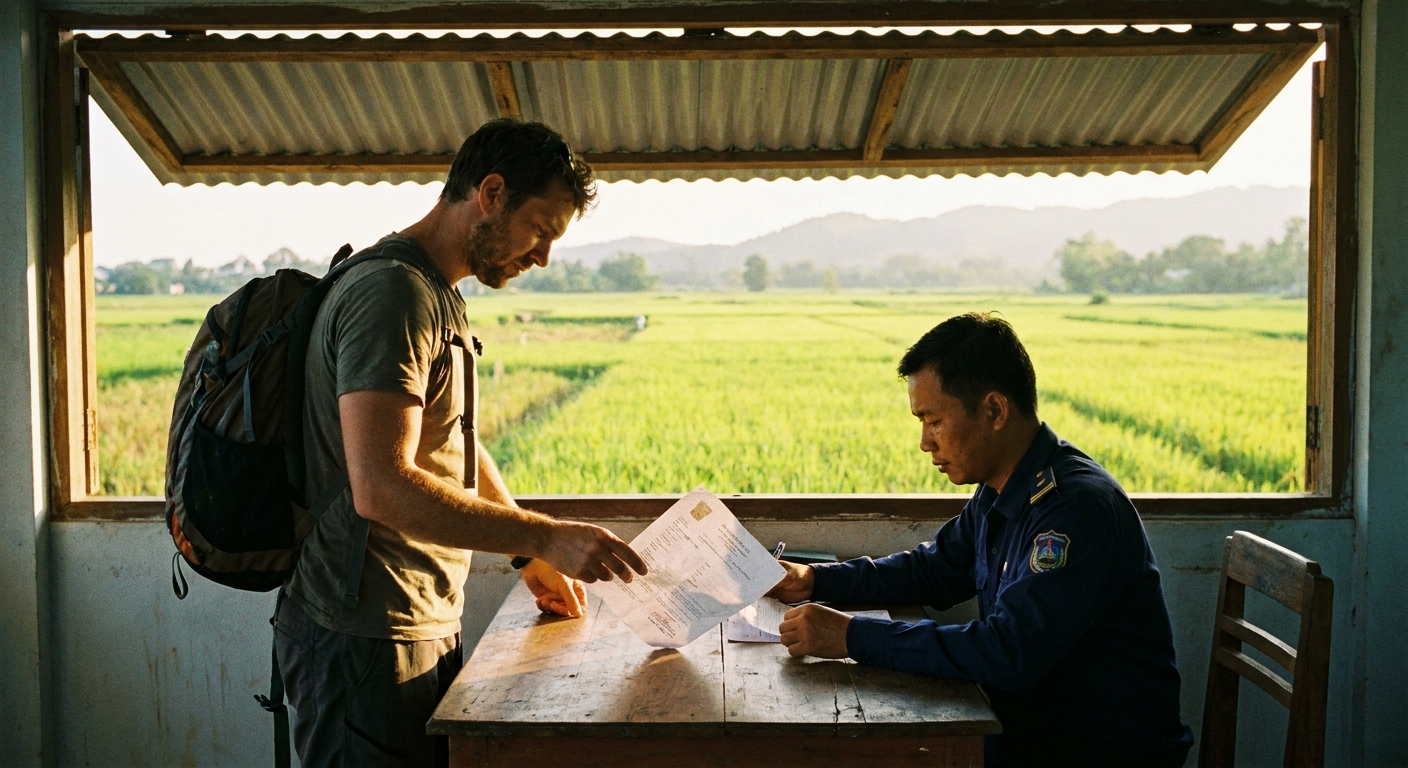
If you encounter a status labeled “Supplement” or “Required Information,” it means you have hit a snag. This is the system’s way of saying something is missing or unclear, such as a blurry corner on your passport scan or an inconsistency in your planned port of entry. When this happens, the processing timer essentially resets. You must address the request immediately, as the system does not hold your place in line indefinitely. Treating these notifications with urgency is the single most effective way to prevent a minor clerical error from escalating into a rejected application.
Ultimately, patience remains the most important tool in your kit. The Vietnamese immigration system is centralized and strict, and the processing stages are designed to prioritize security over speed. If you have applied well in advance, there is little benefit to obsessively checking your status every hour. The system will eventually update, and your travel plans will move forward. Until that status changes to issued, focus your energy on double-checking your flight details and ensuring your arrival itinerary aligns with the specific port of entry you declared on your form. When you eventually walk through the arrivals hall in Hanoi or Ho Chi Minh City, the minor frustrations of the waiting period will feel like a distant memory.