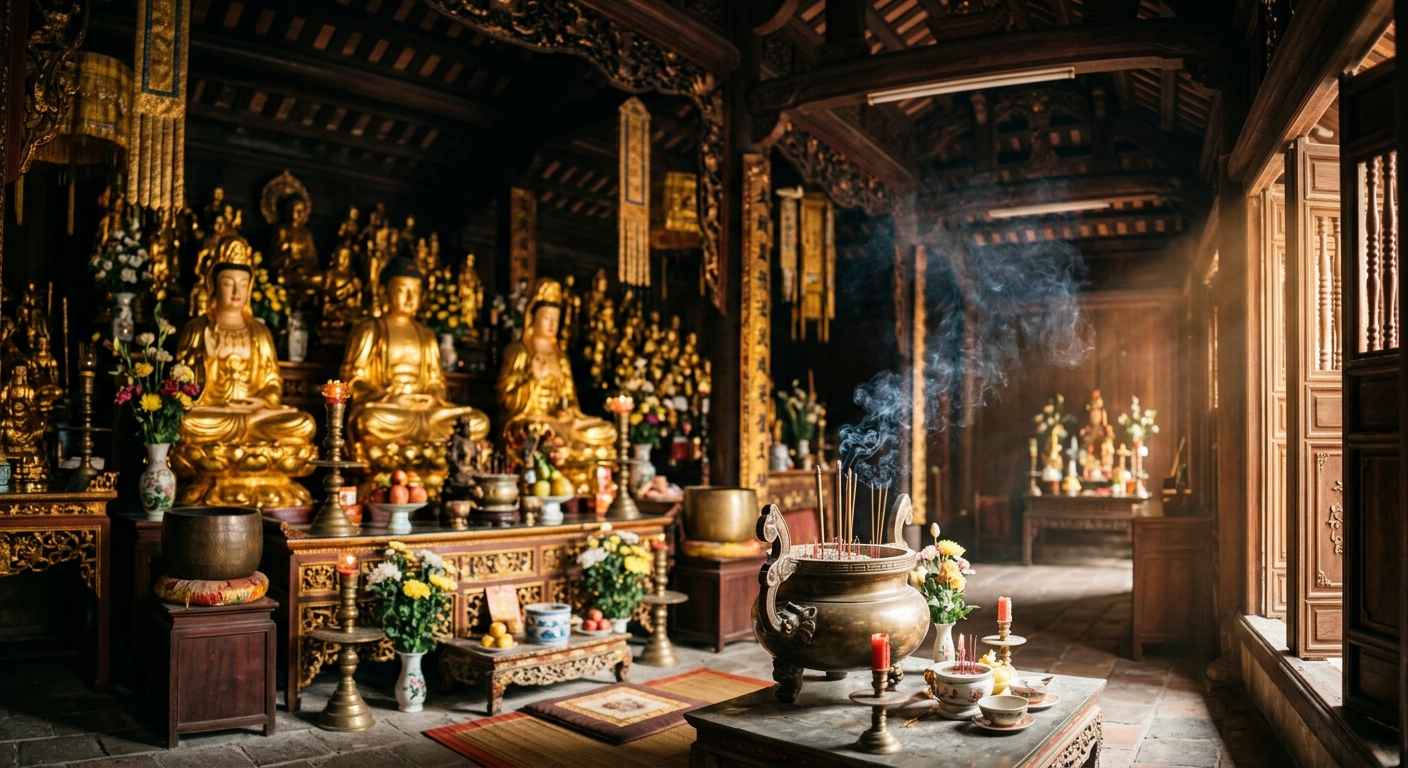
The incense smoke curls lazily around the giant bronze bell at Thien Mu Pagoda, carried by a breeze that rolls off the Perfume River. In the quiet corners of Hue, time seems to hold its breath. While the city’s imperial history is etched into the stone of the Citadel, its spiritual heart beats within the pagoda grounds that dot the surrounding hills. Stepping into these spaces requires a shift in gear; it is an invitation to leave the bustling, scooter-filled streets behind and adopt a rhythm defined by reverence and restraint.
Most travelers arrive in Hue with their cameras ready and their itineraries packed, but a successful Vietnam pagoda visit hinges on how well you can blend into the stillness. The first thing you will notice is the silence. Even if the grounds are bustling with local families offering prayers, the tone remains hushed. As a visitor, your primary role is that of a quiet observer. Avoid raised voices, loud laughter, or rapid, erratic movements. When walking through a temple courtyard, move with intention, keeping your path clear of those who are kneeling in meditation or lighting incense.
Dressing for the Sacred Spaces
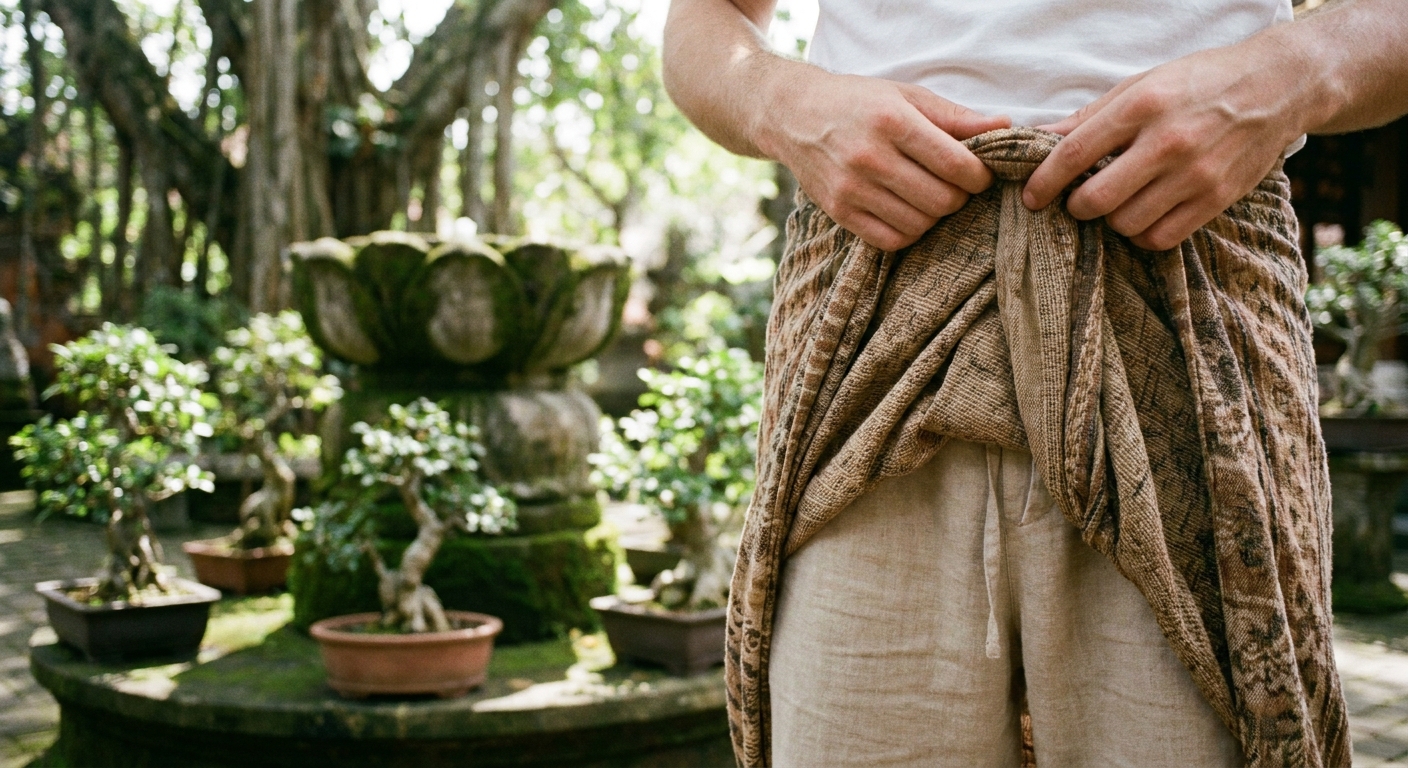
Hue can be sweltering, especially under the midday sun, yet the humidity is never a valid excuse for discarding modesty. Buddhist temples in central Vietnam are places of profound significance, and your attire serves as a silent nod of respect to the monastic life housed within. The golden rule is coverage. Your shoulders should remain hidden, and shorts or skirts that fall above the knee are generally considered inappropriate. A lightweight sarong or a linen scarf kept in your daypack is a lifesaver; simply draping it over your shoulders or wrapping it around your waist can instantly transform a casual outfit into something suitable for a holy site.
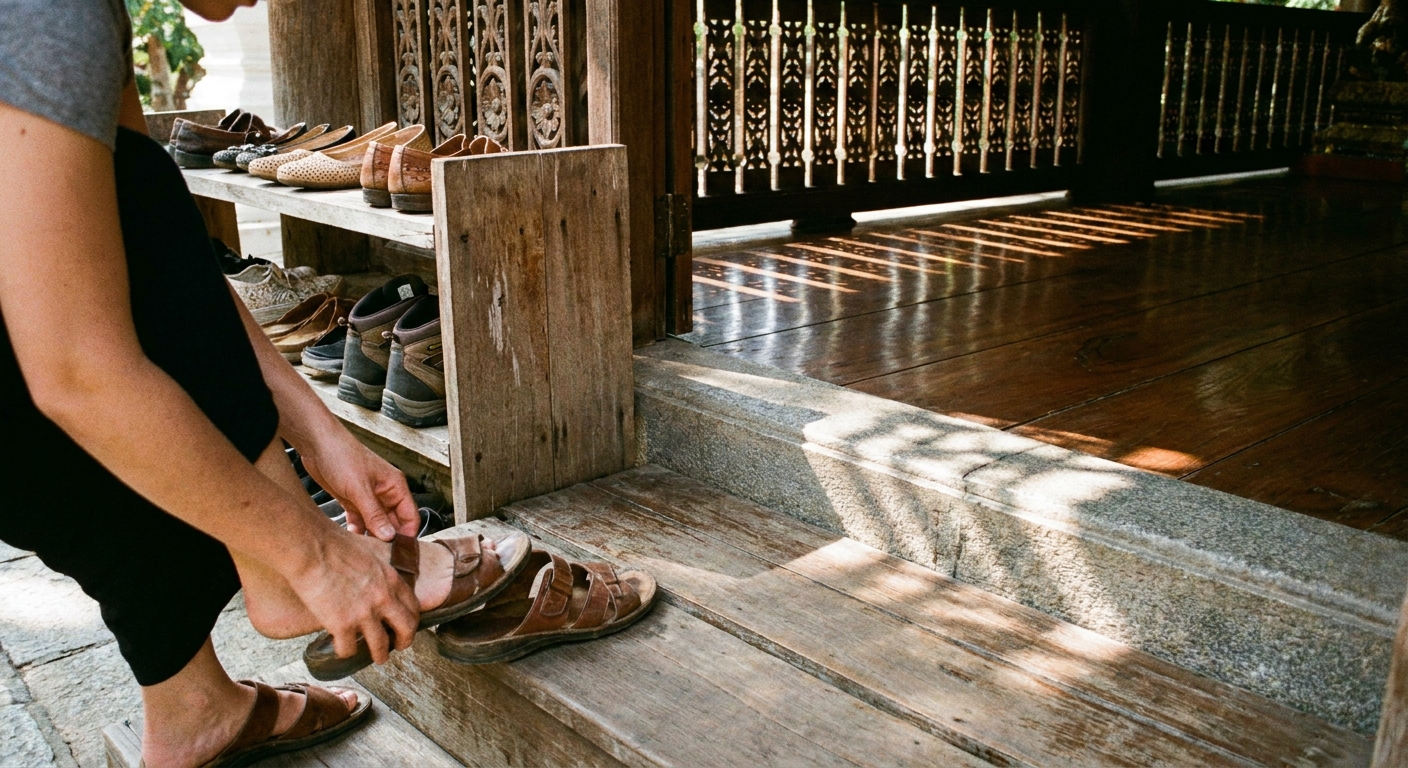
Before stepping across the raised wooden thresholds—which, by tradition, you should step over rather than on—check your feet. Shoes are almost always removed before entering the main prayer hall. You will likely see a cluster of footwear neatly lined up near the entrance; simply find a place for yours among them. If you are wearing socks, keeping them on is perfectly acceptable, but bear in mind that some floors can be slippery or cool, so choosing comfortable, easy-to-remove shoes is a wise strategy for a day of temple-hopping.
Photography is a point of contention in many Southeast Asian religious sites, and Hue is no exception. While most pagodas allow you to capture the architecture and the peaceful gardens, the interior of the main shrines is often off-limits for cameras. Always look for signage indicating no-photography zones, and if you are ever in doubt, the most polite approach is to ask a monk or a caretaker for permission. If you do take photos, ensure you are not pointing your lens directly at worshippers who are in the middle of their devotions. Capturing the essence of the pagoda—the flickering oil lamps, the lotus blossoms, or the weathered statues—is far more rewarding than snapping a selfie that disrupts the sanctity of the moment.
Beyond the visual and physical boundaries, there is the matter of etiquette regarding donations and offerings. You may see locals placing small amounts of money on altars or in designated boxes. This is a practice of merit-making rather than an admission fee. If you choose to contribute, keep a few small denominations of Vietnamese Dong handy. A small, humble offering is seen as a sign of appreciation for the upkeep of these historic sites. You might consider the following as you plan your visit:
- Keep your voice low and your phone on silent mode.
- Avoid pointing your finger at Buddha statues or religious artifacts.
- Never sit with the soles of your feet pointing toward the altar or a monk.
- Stay on marked paths to avoid disturbing the garden beds or private living quarters.
Following these simple guidelines does more than just keep you in the good graces of the temple authorities; it allows you to engage with Hue on a deeper level. When you stop worrying about whether you are making a faux pas, you begin to notice the way the light filters through the ancient banyan trees or the specific, earthy scent of sandalwood lingering in the air. The pagodas of Hue are not merely tourist attractions to be checked off a list; they are living, breathing sanctuaries. By moving through them with a sense of quiet grace, you honor the centuries of devotion that have kept these spaces intact, ensuring that the serenity you feel today remains undisturbed for the next traveler who follows in your footsteps.