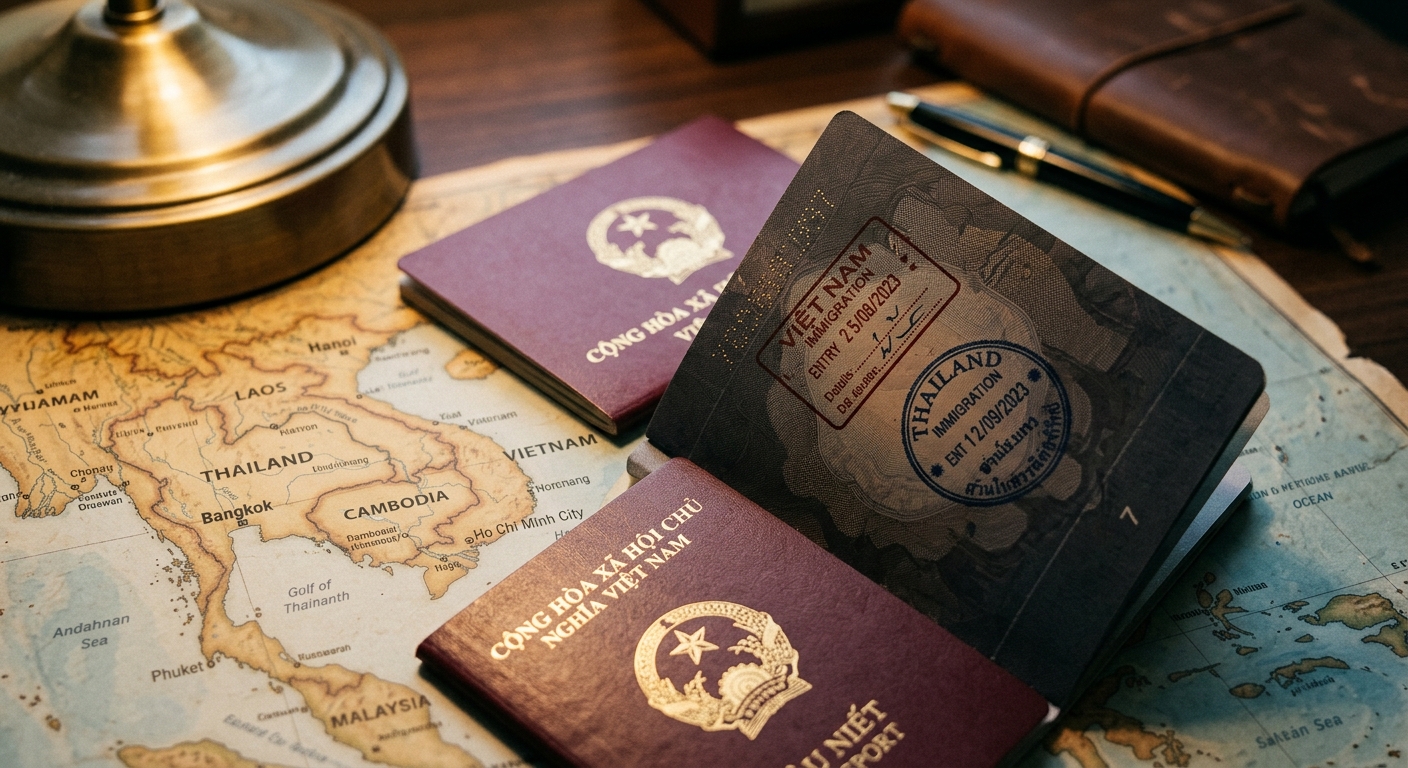
Stepping out of the arrivals hall at Tan Son Nhat airport, the humidity hits you instantly, carrying the scent of motorbike exhaust and street-side pho. For most travelers, the relief of clearing immigration is followed by the realization that their itinerary is now locked to the dates stamped on their passport. However, those who secured a Vietnam multiple entry visa experience a different kind of freedom. While a single-entry visa treats your trip as a one-shot deal, the multiple-entry upgrade acts like a revolving door, allowing you to treat Vietnam as a home base rather than a transit point.
The primary shift between single vs multiple entry visas is one of geographical strategy. With a single-entry permit, once you leave the country—whether for a weekend in the temples of Siem Reap or a quick flight to Bangkok—your visa is effectively dead. You cannot return on the same document. For the digital nomad or the culture hopper, this makes regional travel a logistical puzzle. If you hold a Vietnam multiple entry visa, that pressure vanishes. You can spend two weeks exploring the limestone karsts of Ha Long Bay, zip over to Laos for a week of quiet, and return to Hanoi without starting a new visa application process or worrying about the validity of your paperwork.
Logistics at the Border and Beyond
Practical border procedures don’t change drastically, but the psychological weight of the experience does. When you approach the immigration officer, you are still required to present your passport and your printed e-visa approval letter. The officer will verify your details in the system, but since you hold a multiple-entry status, they are essentially checking for the expiry date of the overall visa period rather than the single-use allowance. You will notice that the stamp placed in your passport during your first entry is much like any other entry stamp, featuring the date and the port of entry code. It does not explicitly spell out “Multiple Entry” in bold letters; rather, the system marks your entry status internally. The critical detail is that you must carry that same printed visa approval document for every single re-entry throughout the duration of the visa’s validity.
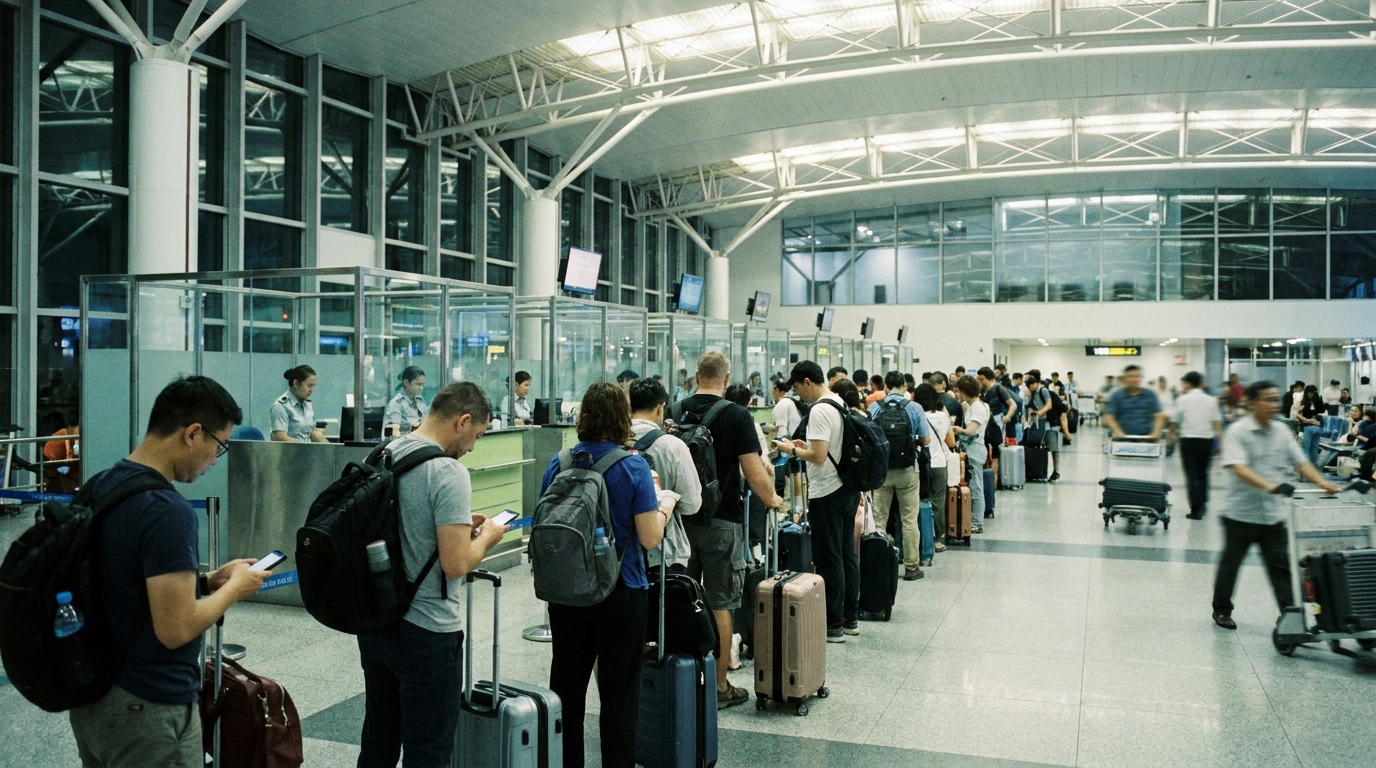
Many travelers wonder if they need to pay a fee or show extra documentation each time they cross the border. The answer is no, provided your visa has not expired. You proceed to the same immigration counters as everyone else, hand over your passport, and wait for the officer to scan your biometric data. The border process remains standard, but the key is maintaining your paperwork. Because the e-visa is digital, keeping a few physical copies of your approval letter in your backpack is essential. If you lose your printed copy, you might encounter delays while officers manually verify your status in their database, which can be a slow, manual process during peak hours at land borders.
There are a few common scenarios where the shift from single to multiple entry makes the most sense:

- Backpacking through Southeast Asia and wanting to loop back into Vietnam for a flight home.
- Joining a multi-country river cruise that dips in and out of Vietnamese territory.
- Traveling for business where meetings require intermittent trips to neighboring countries.
- Planning a visit to northern Vietnam followed by a side trip to Cambodia, then returning for a southern coastal holiday.
Visualizing the difference on your passport requires looking past the ink. A single-entry visa stamp is a “done and dusted” transaction. A multiple-entry visa functions more like a recurring pass. When you exit Vietnam, your passport is stamped with an “exit” mark, which signifies the end of that specific stay but not the end of your visa privilege. Upon your return, you receive another “entry” stamp. These stamps will stack up on your pages, creating a physical timeline of your movements. It is a subtle visual indicator of your flexibility, transforming a rigid itinerary into a fluid series of visits.
Ultimately, opting for the multiple-entry version is an investment in spontaneity. It removes the anxiety of being stuck in a single geographic zone. While the paperwork might look nearly identical on your screen, the impact on your travel style is significant. You stop looking at the border as a final boundary and start seeing it as a permeable line that you can cross whenever the mood or the itinerary dictates. Being prepared with your documentation for every return is the only hurdle, but once that becomes part of your travel routine, the entire country of Vietnam effectively becomes an open door.