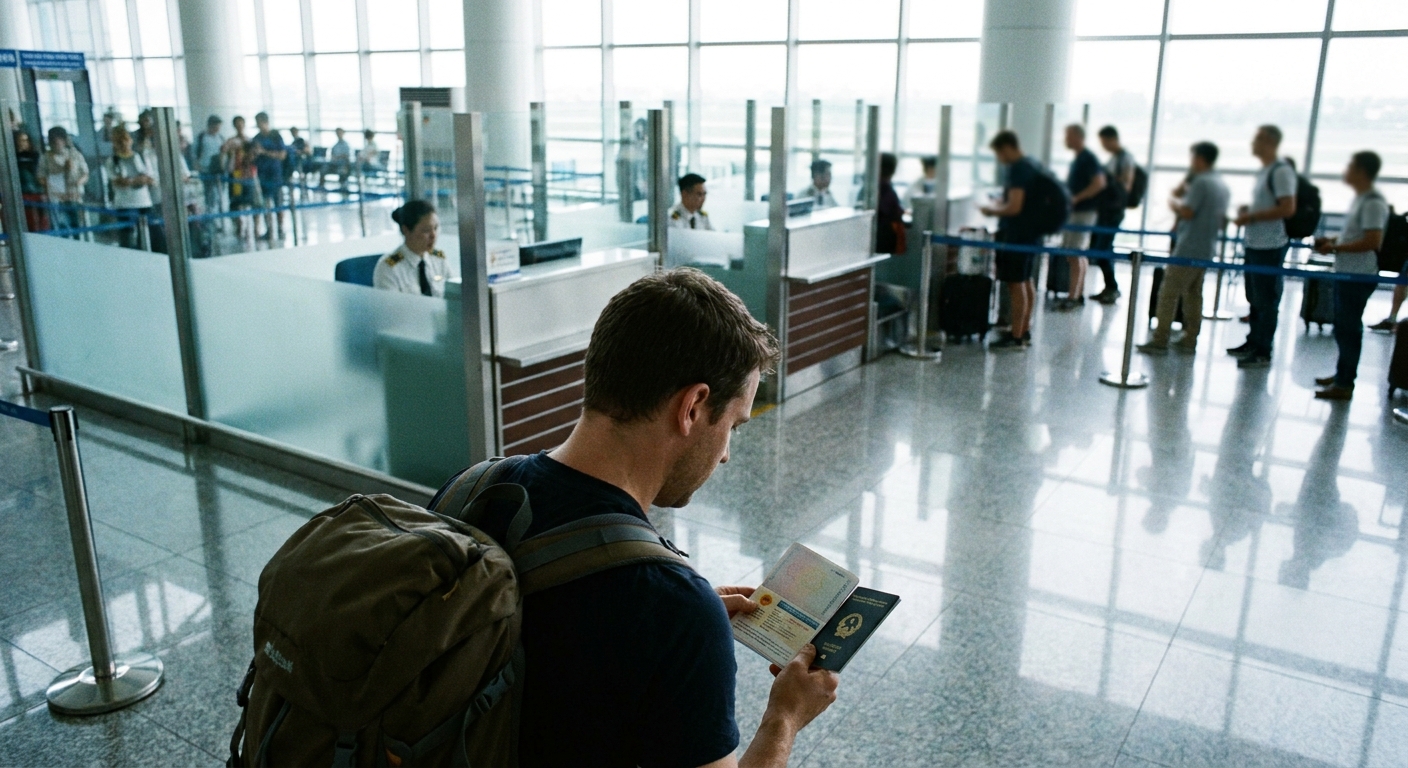
The moment that digital file finally hits your inbox, the relief is palpable. You have been refreshing the tracking portal for days, watching the status toggle between processing and pending, and now you have the official document in hand. But before you bury your phone in your carry-on or haphazardly fold a printout into your passport, take a moment to look at that Vietnam e-visa PDF through the eyes of an immigration officer. They see this document hundreds of times every shift; they aren’t reading it for your travel excitement, but for a specific set of data points that validate your right to cross the border.
Decoding the Data Points That Get You Through
The most important part of the Vietnam e-visa PDF isn’t the official seal, but the alphanumeric string that defines your legal existence in the country for the next thirty or ninety days. Immigration officers are scanning for internal consistency. The first thing they check is the passport number printed on the document against the physical booklet you are handing over. A single transposed digit here is not a minor clerical error; it is a red flag that can lead to you being pulled into the secondary inspection office while the rest of your flight clears customs. Check your passport number carefully against the PDF. It should match perfectly, character for character.
Your entry point is the next critical filter. The e-visa system is strict about the port of entry. If your document specifies Noi Bai International Airport in Hanoi, attempting to arrive at Tan Son Nhat in Ho Chi Minh City can create an unnecessary standoff. While some officers may show leniency depending on the current policy climate, you should never count on it. The PDF explicitly lists the designated port, and that is your legally binding gateway. If your travel plans have shifted since you applied, you are better off resolving that change before you reach the immigration desk rather than hoping for a waiver upon arrival.
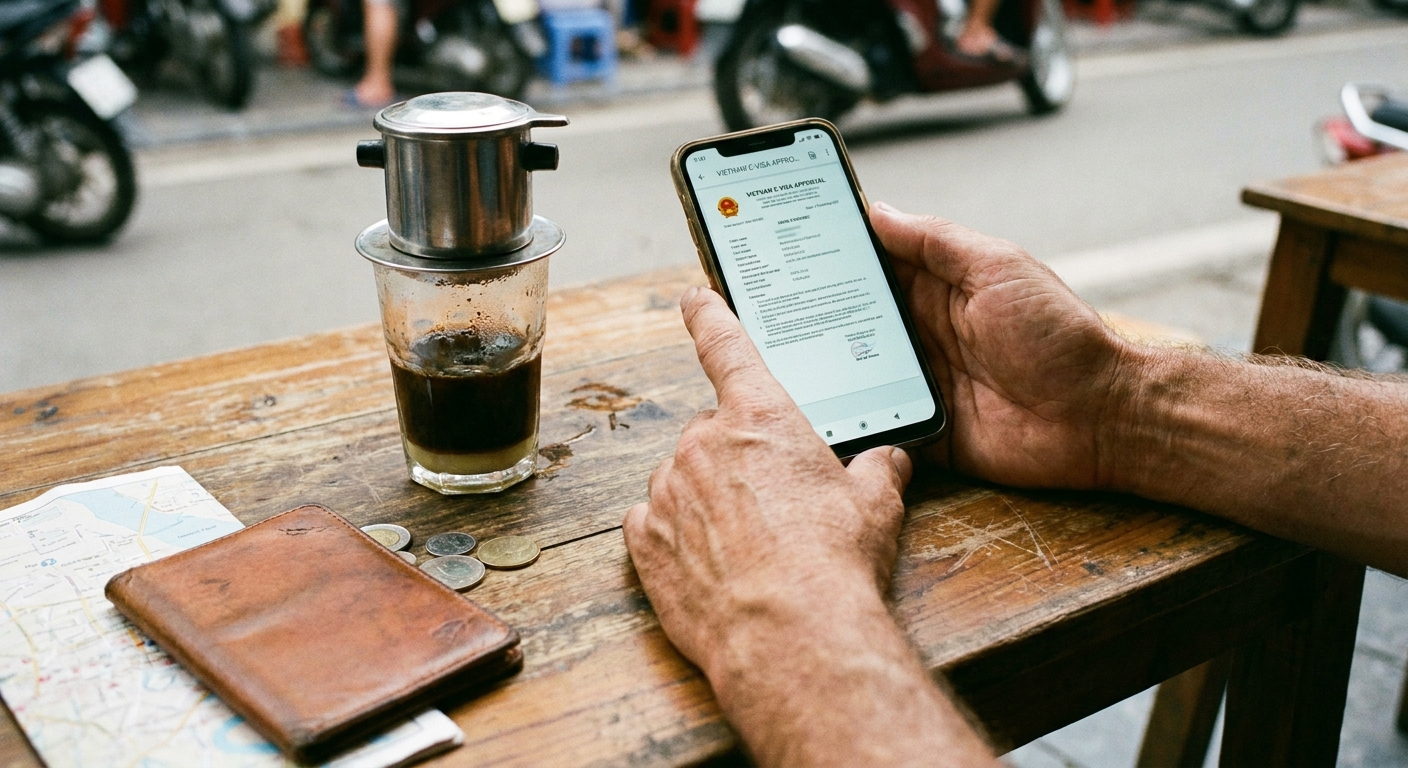
The dates of validity function as a rigid window rather than a flexible suggestion. The “Valid from” and “Valid to” dates define the absolute boundaries of your legal stay. Travelers often misread these, focusing only on the duration of stay rather than the total expiration window. If your visa expires on a Tuesday, you must be in the process of departing or have already crossed the border by that date. Overstaying, even by a few hours, subjects you to fines and potential administrative blacklisting, which complicates every future attempt to return to the region. Treat these dates as the absolute expiration of your legal status in Vietnam.
Beyond the numbers, the personal details section acts as a final sanity check for the authorities. There are three details that most frequently trip up travelers during the verification process:
- The spelling of your name must be an exact match to the machine-readable zone at the bottom of your passport.
- The date of birth format must align with international standards, ensuring no confusion between month and day.
- The uploaded photograph quality must be clear enough to verify that the person standing in the booth matches the digital file stored in their database.
If your visa approval letter contains a blurry photo or a typo in your name, the officer has to decide if you are the person the government actually vetted. Anything that casts doubt on your identity—even a simple typo—shifts the burden of proof onto you. You might find yourself searching for emails or supplementary documentation to prove that the mistake was merely clerical. It is much easier to catch a typo when you first download the file than it is to explain that typo to a tired official at 2:00 AM after a fourteen-hour flight.
Finally, consider the physical state of your documentation. While Vietnam has modernized its systems, a printed copy remains the gold standard for avoiding confusion. Keep a high-quality printout of the Vietnam e-visa PDF tucked securely inside your passport. Having the paper version ready prevents you from fumbling with your phone screen brightness or dealing with a dead battery while the queue behind you grows impatient. When you hand that piece of paper over, it confirms that you have done your homework, that you understand the conditions of your entry, and that you are prepared to follow the regulations of the host country. It is a simple gesture that communicates a high level of respect for the process, which usually translates into a much faster interaction at the border.