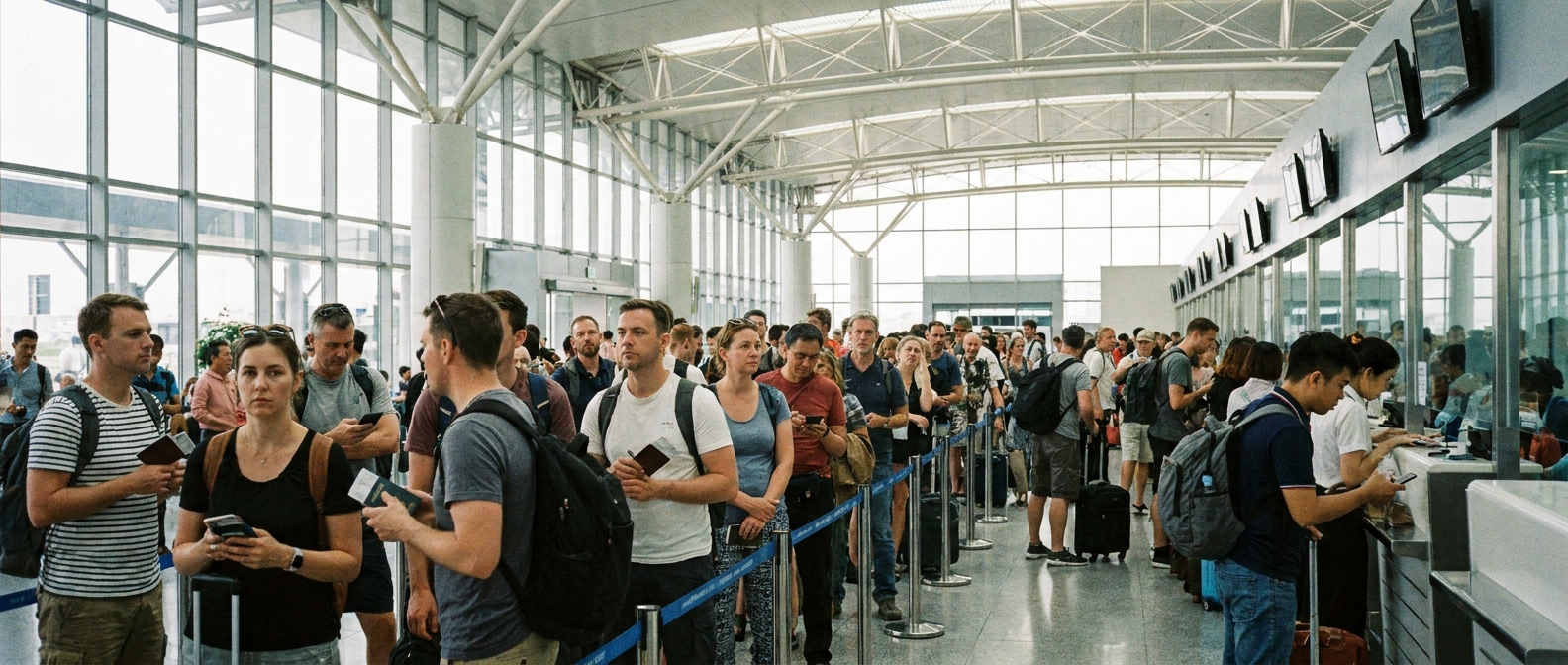
The official processing time for a Vietnam e-visa is listed as three business days, but any seasoned traveler who has spent time refreshing their status page knows this is often an optimistic estimate. When the third day passes and your status remains stuck in “processing,” anxiety usually sets in. However, these departures from the advertised timeline are rarely the result of a single error or a lost application. Instead, they stem from a complex administrative machine that operates behind the scenes, balancing thousands of daily requests against strict security protocols.
The Mechanics Behind Administrative Bottlenecks
The primary driver of a Vietnam visa delay is the nature of the verification system itself. While the portal is digitized, the approval process is not entirely automated. Each application is manually reviewed by immigration officers who must verify the integrity of the uploaded documents. When you submit your form, it enters a batch queue. If your application happens to land in a batch that contains flagged information or requires manual clarification, the entire group’s movement can slow down. Think of it less like a conveyor belt and more like a series of checkpoints that must be cleared in order. If the system flags a discrepancy in your passport photo—perhaps the background is too busy or the image is slightly out of focus—a human agent must manually override the error or request a correction, pushing your timeline back by several days.
Public holidays in Vietnam also exert a significant, often overlooked, impact on processing speeds. During major national celebrations like Tet or Independence Day, government offices close entirely. Crucially, the “three business days” calculation does not account for these local shutdowns. If you submit your application on a Friday afternoon just before a national holiday, your clock may not actually start ticking until the following Wednesday or Thursday. This is a common point of friction for travelers who assume the digital nature of the platform implies a 24/7 service model, but the human element remains tethered to the traditional Vietnamese working calendar.
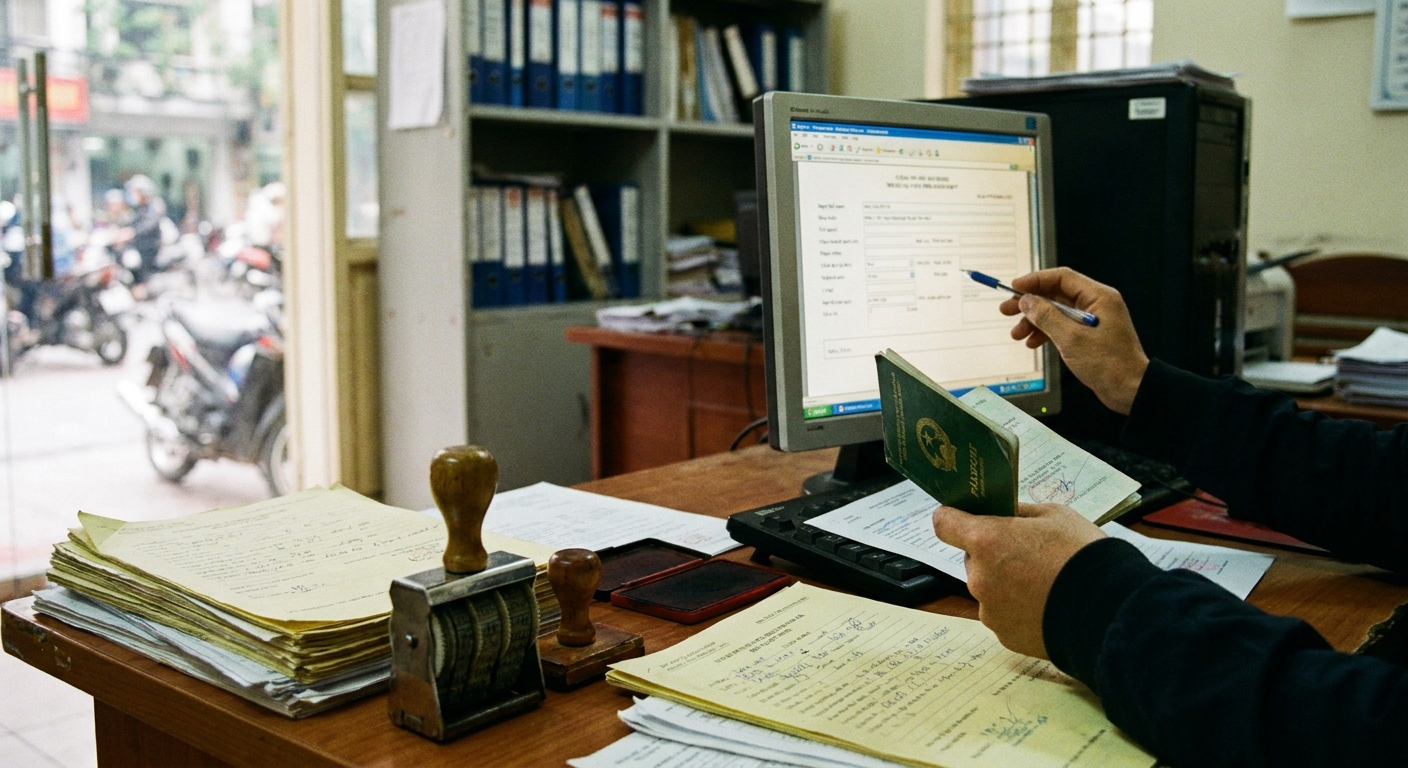
Secondary checks represent another layer of scrutiny that can trigger e-visa slow processing. Immigration authorities perform thorough background checks, cross-referencing applicant details with internal security databases. Sometimes, a name match—where your name, or a combination of your name and birth date, happens to align with an entry on a watch list—will force an automatic hold on your file. This is not necessarily an accusation of wrongdoing; it is a standard procedural safeguard. An officer must then perform a deeper investigation to confirm that you are not the person of interest, a process that can add significant time to the review cycle without ever notifying the applicant of the specific hold-up.
Managing Expectations During the Waiting Game
There are several factors that consistently contribute to these extended wait times, often working in tandem to stall an application:
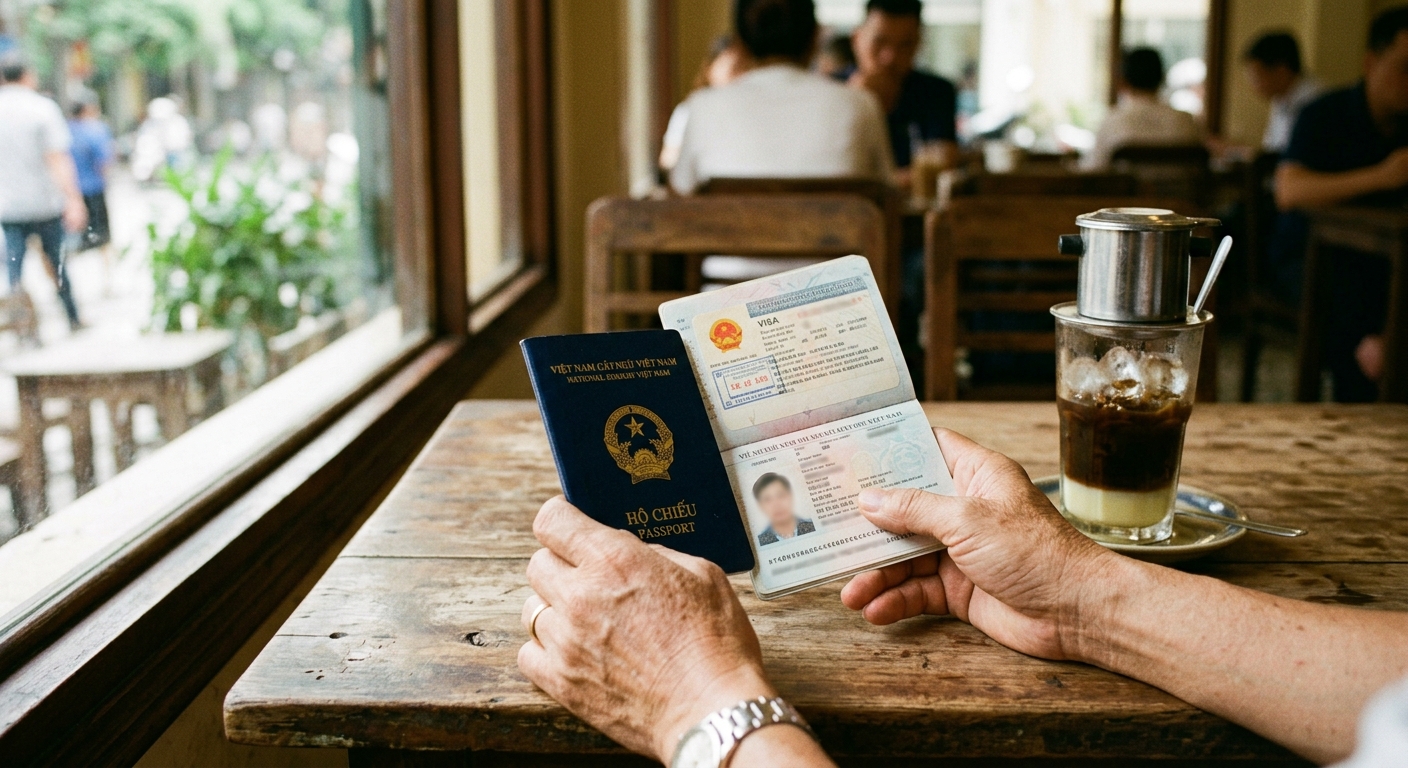
- Inconsistent photo uploads that fail automated quality control checks.
- Incorrect entry port information that does not match the applicant’s travel plans.
- Spelling variations between the passport biographical page and the digital form.
- High-volume spikes during peak tourism months that overwhelm the manual review teams.
Minor errors, such as a slightly truncated middle name or a digit transposed in a passport number, often necessitate a manual query by an immigration officer. While the system might eventually accept the correction, the time spent waiting for an officer to notice the discrepancy and then process your amendment effectively restarts your position in the queue. This is why meticulous attention to detail during the initial submission is the single most effective way to avoid unnecessary frustration. If you notice your status hasn’t moved after three days, it is rarely a sign that your request has been denied. Most often, your file is simply waiting for a human eye to sign off on a technicality.
Ultimately, the digital visa system is a tool designed to manage an enormous volume of visitors, but it remains susceptible to the limitations of human bureaucracy. Understanding that these delays are part of a rigid security protocol helps replace anxiety with perspective. When you are looking at that status page, remember that you are one of millions of travelers moving through a system designed to verify every individual entry with care. Patience is not just a virtue in this context; it is an unavoidable part of the pre-arrival process for anyone choosing to visit Vietnam.