Swimming in Halong Bay is restricted in high-traffic navigation channels and near UNESCO-protected geological zones to ensure passenger safety and environmental preservation. While swimming is permitted at specific island beaches and designated anchorages, jumping directly from cruise decks is prohibited by maritime authorities to prevent accidents involving boat propellers and currents.

Travelers often assume Halong Bay functions like a public beach, but the reality is that the bay operates as a strictly regulated maritime corridor. As of 2025, the Ha Long Bay Management Board enforces strict zoning laws to mitigate the risks posed by the thousands of overnight cruise ships, day boats, and sampans that traverse the limestone karsts daily. The primary reason you cannot swim everywhere is the sheer volume of maritime traffic. Propeller hazards in the main shipping lanes are significant, and the government has designated specific swim-safe zones near beaches like Ti Top and Soi Sim to keep tourists separated from vessel movement.
Environmental protection is the secondary, yet equally critical, factor. The bay’s stagnant water in certain enclosed lagoons makes it susceptible to fuel runoff and waste accumulation. Consequently, the Ministry of Natural Resources and Environment monitors water quality levels weekly. If you are planning a trip, budget for the mandatory entrance fees, which currently sit at 290,000 VND per person for the standard route, including the sightseeing ticket. These fees fund the patrol boats that enforce the no-swim zones. If you attempt to swim outside of a designated area, patrol officers can issue fines starting at 500,000 VND, and your cruise operator may lose their operating license for allowing the breach.
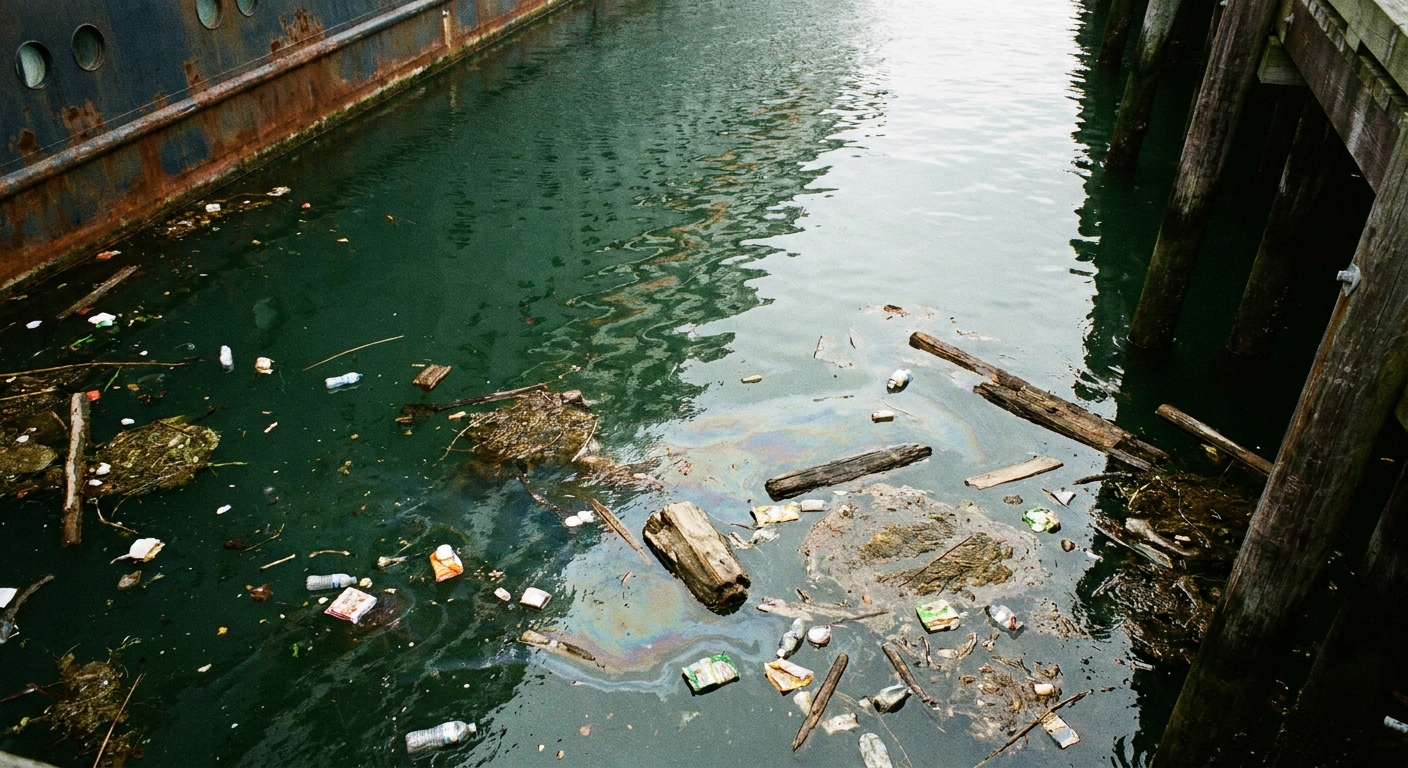
For those seeking a more flexible swimming experience, the trend in 2026 has shifted toward the neighboring Lan Ha Bay. Because Lan Ha is managed by the Hai Phong port authorities rather than the Quang Ninh provincial board, it offers more secluded anchorages where cruise captains have greater discretion to stop for swimming. When choosing a cruise, check the itinerary for specific swim stops. Reputable operators list these as protected coves where the water is tested regularly for E. coli levels. Avoid swimming near the floating villages or the major fishing ports of Cai Rong, as these areas are excluded from recreational use due to high concentrations of organic waste and industrial runoff.
If you are traveling through Noi Bai International Airport in Hanoi, you will likely spend 2.5 to 3 hours on a shuttle bus to reach the Tuan Chau or Ha Long International Cruise Port. Plan your arrival for before 11:30 AM to ensure you make the embarkation window. Immigration and port authorities operate on a standard 8:00 AM to 5:00 PM schedule for administrative tasks, but the cruise departure times are rigid. If you miss the boat, there are no public ferries that can catch up to the fleet, and you will be forced to book a private canoe, which can cost upwards of 2,000,000 VND for a one-way transfer. Always verify your cruise’s specific swimming policy before booking, as some budget operators restrict swimming entirely to reduce their insurance liabilities.

Related questions
Do you need to do a tour for the Cu Chi Tunnels?
You are not legally required to book a formal tour to visit the Cu Chi Tunnels, but independent access is difficult. The Ben Dinh site is accessible via public bus number 13 from Ho Chi Minh City, costing roughly 20,000 VND. However, a guide is necessary to navigate the complex tunnel network safely and access restricted underground sections.
Is 2 nights in Halong Bay enough?
Two nights is the optimal duration for a Halong Bay trip. A single night often results in a rushed schedule where you spend more time in transit than on the water. A two-night itinerary allows you to reach the deeper, quieter areas of the bay, providing more time for swimming and kayaking away from the crowds.
What is the best way to get from Hanoi to Sapa?
The most efficient way to reach Sapa from Hanoi is by a luxury limousine van, which takes approximately 5.5 hours via the Noi Bai-Lao Cai highway. These vans cost between 400,000 and 600,000 VND per seat. While the overnight sleeper train is a classic option, it requires a transfer from Lao Cai station to Sapa town.
Is it worth going to Sapa from Hanoi?
Sapa is worth the journey if you have at least 48 hours to dedicate to the region. The landscape offers a distinct contrast to the urban environment of Hanoi. However, if your schedule is limited to less than two days, the travel time of over five hours each way may make the trip feel exhausting.