You should avoid visiting Nha Trang during the peak of the rainy season, which typically runs from November through mid-December. During these weeks, the city experiences heavy rainfall and rough seas that can disrupt beach activities and island tours, making it the least favorable time for a coastal holiday in 2025.

Planning a trip to Vietnam requires balancing seasonal weather patterns with your daily spending habits. While many travelers aim for the dry season, understanding the regional shifts is vital for a successful itinerary. In Nha Trang, the late autumn months bring significant precipitation, often leading to localized flooding and limited visibility for snorkeling. If you are looking for sunshine, focusing your visit between February and August ensures the best conditions for exploring the coastline.
Budgeting for a Vietnam trip in 2025 and 2026 remains relatively straightforward, though inflation has slightly impacted local prices. A daily budget of $100 per person allows for a comfortable experience, including mid-range hotel stays, domestic flights, and frequent dining at reputable local restaurants. For those traveling on a tighter budget, $40 to $50 a day is sufficient if you prioritize street food, hostels, and public transportation like trains or buses. Digital nomads often find that living costs in smaller cities like Da Nang are lower than in the major hubs of Hanoi or Ho Chi Minh City.
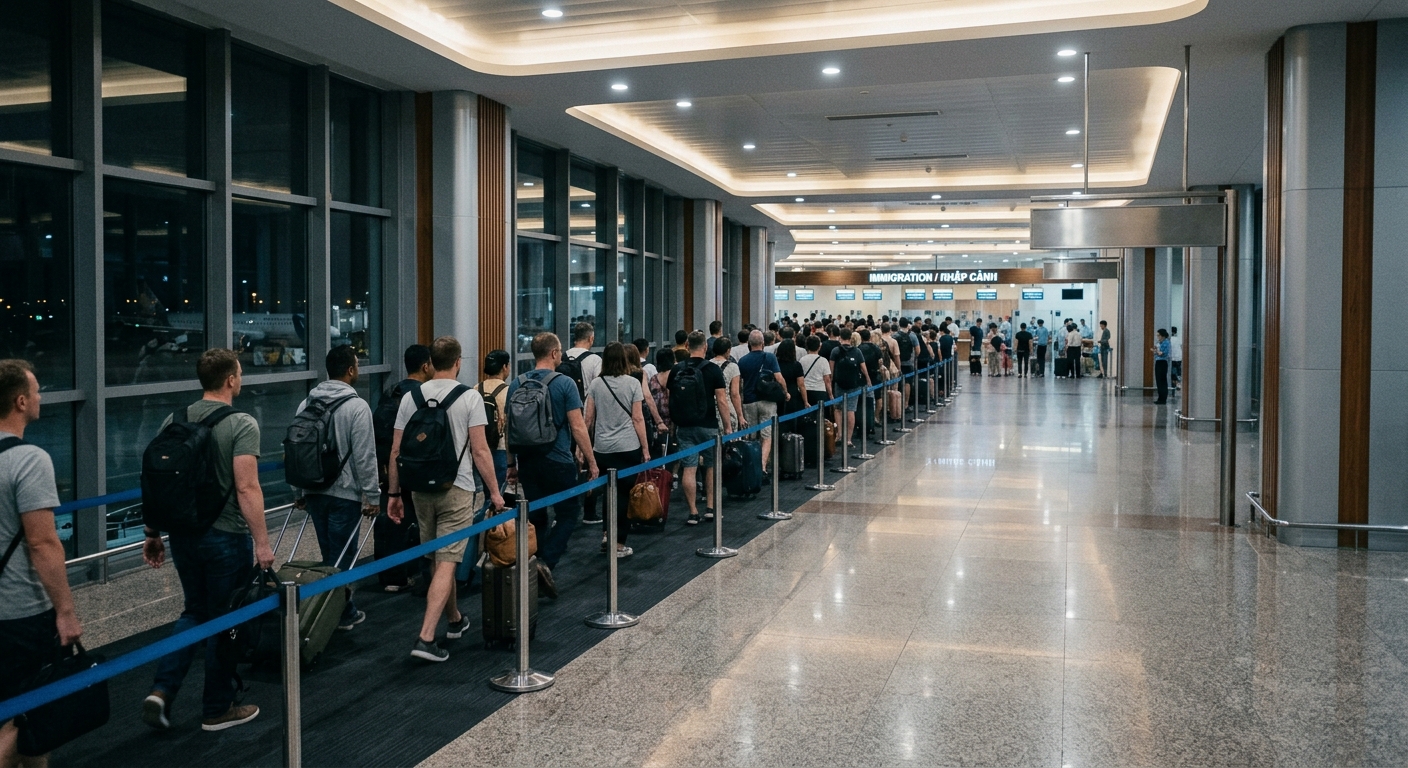
When you arrive, your port-of-entry experience depends heavily on the accuracy of your documentation. The Vietnamese government currently processes electronic visas with a standard turnaround time of three to five business days, though peak travel periods can occasionally lead to minor delays. It is important to ensure your passport has at least six months of validity remaining beyond your intended departure date. Immigration officers at major airports like Tan Son Nhat or Noi Bai generally handle high volumes of travelers efficiently, but having a printed copy of your visa approval letter remains a practical precaution.
Beyond the weather and budget, the logistical side of your stay requires attention to visa regulations. The current system allows for single or multiple entry visas, which provides significant flexibility for those planning to explore neighboring countries before returning to Vietnam. While the process is digitized, the responsibility for verifying your entry requirements rests entirely with the traveler. Staying informed about the latest updates from official portals helps prevent issues at the boarding gate or upon arrival at the immigration desk. Managing your expectations regarding service speeds and local infrastructure will help you get the most out of your time in the country.

Frequently asked questions
Which month to avoid Nha Trang?
The primary period to avoid Nha Trang is from November to mid-December. This timeframe marks the peak of the monsoon season, characterized by heavy rainfall and high surf. These conditions often force the temporary closure of water-based tours and beach activities, making it an impractical time for visitors seeking a tropical coastal experience.
Which month to avoid Phu Quoc?
You should generally avoid visiting Phu Quoc during the height of the rainy season, specifically September and October. These months experience the most consistent rainfall and occasional storms, which can lead to flight delays and choppy ferry crossings. While the island is beautiful, the wet weather limits outdoor exploration and island-hopping opportunities.
Is $100 a day enough for Vietnam?
Yes, $100 per day is more than enough for a comfortable trip to Vietnam in 2025. This amount easily covers mid-range accommodations, multiple daily meals, domestic transport, and various activities. Travelers can enjoy a high standard of comfort, including private taxis and boutique hotels, without needing to worry about tight budget constraints.
Can you get a 3 month tourist visa for Vietnam?
Yes, travelers can apply for a 90-day, multiple-entry e-visa for Vietnam. This visa type allows for stays of up to 90 days with the flexibility to leave and re-enter the country as needed. You must apply for this through the official government portal and ensure all personal details match your passport exactly before submission.
Is Vietnam good for a beach vacation?
Vietnam is an excellent destination for a beach vacation, offering a diverse coastline that stretches over 3,000 kilometers. From the white sands of Phu Quoc to the clear waters of Nha Trang and the luxury resorts of Da Nang, there are options for every traveler. The best beach weather varies by region throughout the year.