Major international hubs offering direct flights to Vietnam include Seoul, Tokyo, Singapore, Bangkok, Taipei, and Doha. Travelers can land directly in Hanoi, Ho Chi Minh City, or Da Nang. While many global carriers serve these routes, direct connectivity from North America remains limited to specific trans-Pacific corridors operating in 2025.

Planning your journey to Vietnam requires understanding the current aviation landscape, which has shifted significantly by 2025. Major international airports in Hanoi, Ho Chi Minh City, and Da Nang serve as the primary gateways for long-haul arrivals. Most travelers from Europe, Australia, and parts of Asia will find frequent direct connections through regional hubs like Singapore Changi, Incheon, and Suvarnabhumi. These transit points are often more reliable for scheduling than attempting to find a single long-haul flight that covers the entire distance without a stop.
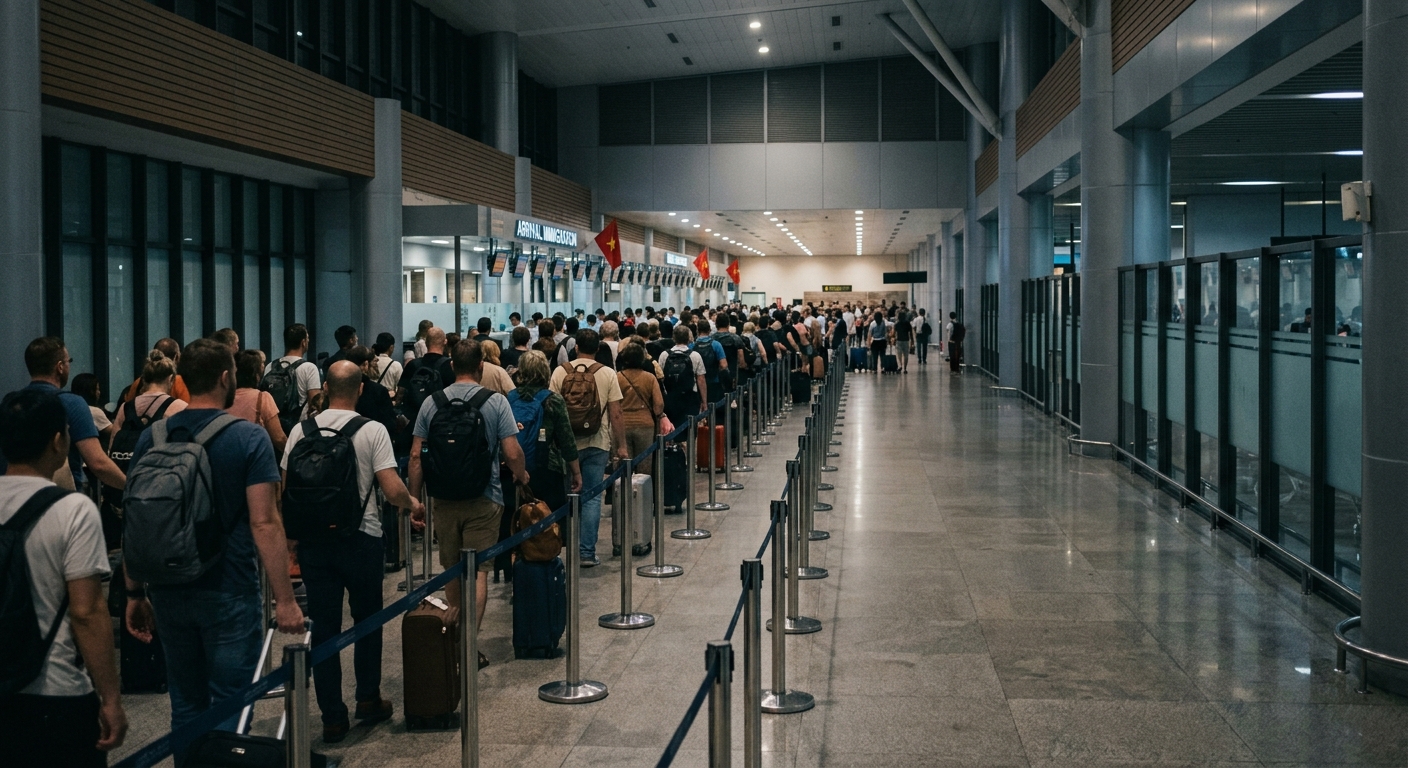
When you arrive at a Vietnamese port of entry, the immigration process remains strictly governed by your visa status. Even if you arrive on a direct flight, you must present your printed e-visa or approval letter to the immigration officer. As of 2026, the government continues to enforce digital processing requirements, so ensure your documents are prepared well before departure. Officers at Tan Son Nhat and Noi Bai airports prioritize efficiency, but they will verify your passport validity and visa details against their database before granting entry.
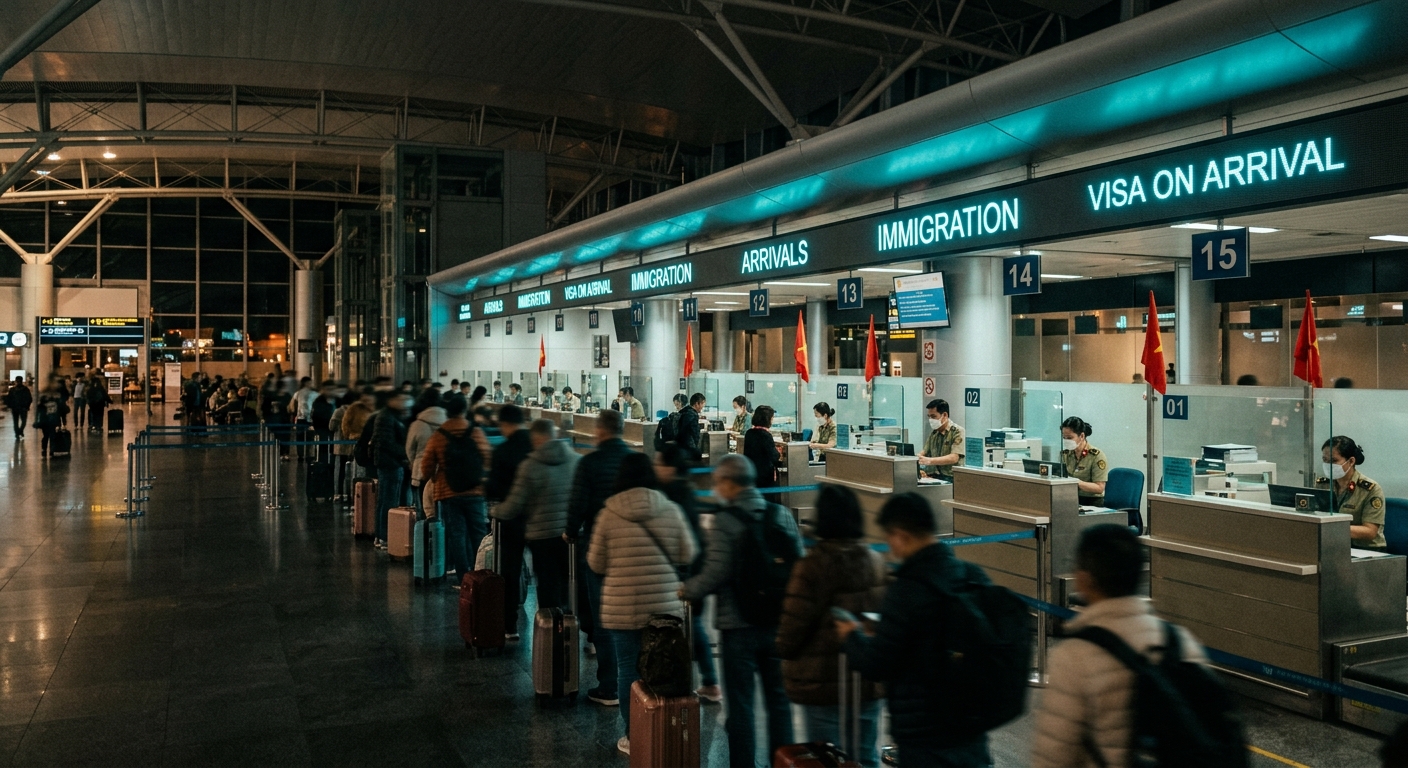
The logistics of flying into Vietnam have become more predictable compared to previous years. Airlines have stabilized their schedules, and the demand for travel to Southeast Asia has led to increased flight frequencies from Middle Eastern hubs like Doha and Dubai. These routes are particularly popular for travelers coming from the Americas or Europe who prefer a single stopover. If you are flying into Ho Chi Minh City, expect the airport to be bustling regardless of the time of day, as it acts as the primary economic engine for the country.
For those planning their trip, checking the specific port of entry listed on your visa is essential. If your e-visa specifies Ho Chi Minh City but you land in Hanoi, you may face delays or be denied entry depending on current enforcement protocols. The Vietnamese authorities have digitized many aspects of border control, but the physical document matching remains a critical step. Always verify that your flight arrival airport matches the entry point indicated on your visa application to avoid complications at the immigration desk. With the current infrastructure upgrades at major airports, the transition from the tarmac to the city center is generally straightforward, provided your paperwork is complete and your visa is valid for the specific airport where your flight lands.
Frequently asked questions
What cities fly directly to Vietnam?
Direct flights to Vietnam primarily operate from major global transit hubs including Seoul, Tokyo, Singapore, Bangkok, Taipei, Doha, and Dubai. These cities provide the most consistent connectivity to Hanoi, Ho Chi Minh City, and Da Nang. Travelers can also find direct seasonal or regional connections from various other Asian capitals depending on the specific airline schedule.
When to flight to Vietnam?
The best time to fly to Vietnam is during the shoulder seasons of March to April or September to October. During these months, the weather is generally mild across the country, and flight prices are often more competitive than during the peak lunar new year or summer holiday periods when demand significantly increases.
Can you fly direct from the US to Vietnam?
Yes, direct flights from the United States to Vietnam are available, though they are limited to specific routes. Carriers operate non-stop service between major West Coast hubs, such as San Francisco, and Ho Chi Minh City. These long-haul flights are technically demanding and currently represent the only direct link between the two regions.
Is there a direct flight to Ho Chi Minh from the USA?
Yes, there are direct flights available from San Francisco to Ho Chi Minh City. These trans-Pacific routes are serviced by major carriers and provide a non-stop option for travelers. Outside of this specific route, most passengers flying from other US cities will need to connect through hubs in Asia or the Middle East.
Who flies direct to Hanoi?
Hanoi’s Noi Bai International Airport receives direct flights from numerous international carriers, including Vietnam Airlines, Korean Air, Asiana, Cathay Pacific, and Qatar Airways. These airlines connect Hanoi to major global hubs across Asia, Europe, and the Middle East, making it a primary entry point for international travelers arriving in the northern region.