Yes, $1000 is more than enough for a comfortable week in Vietnam. For most travelers, this budget covers high-quality boutique accommodation, daily fine dining, domestic flights, and private guided tours. Even with luxury spending, you will likely find yourself with surplus funds at the end of your seven-day trip.
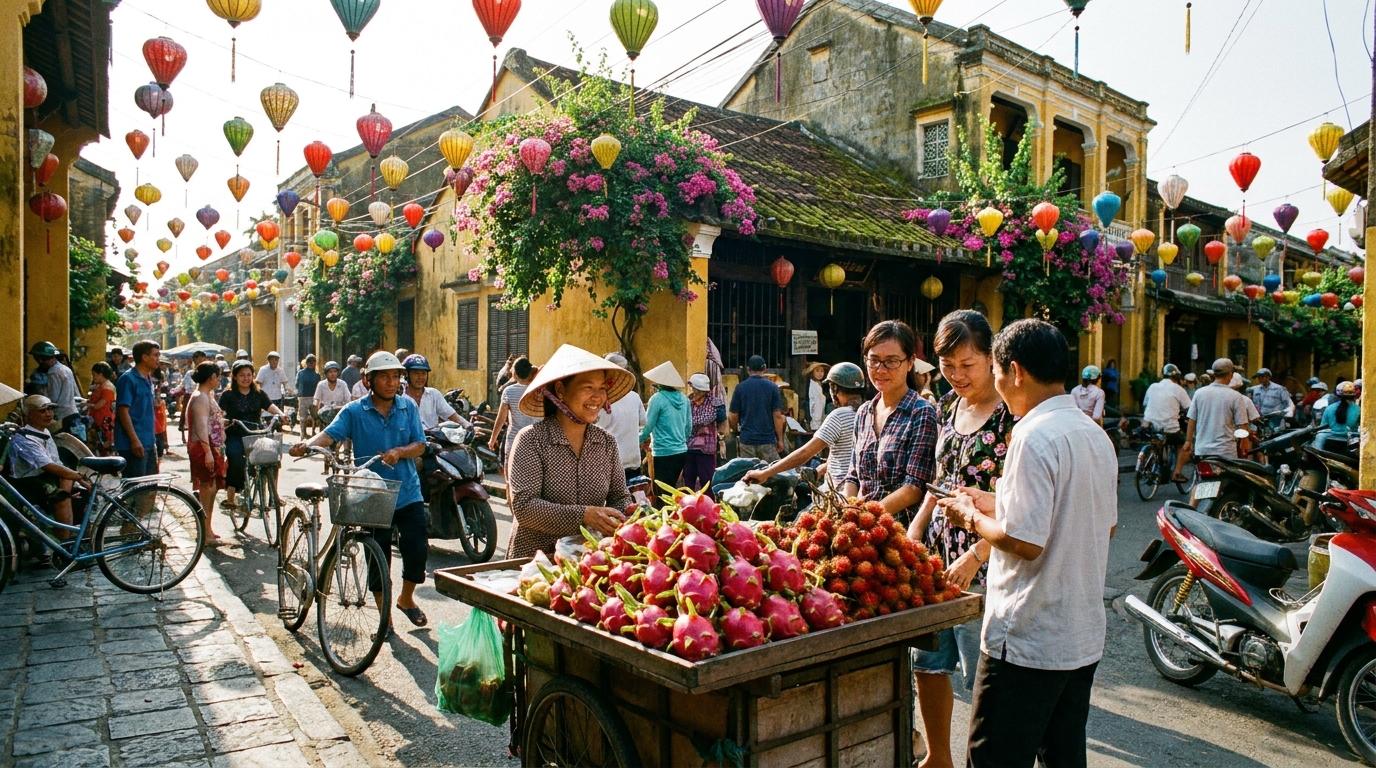
When planning a trip for 2025 or 2026, understanding the actual purchasing power of your currency is essential. While $1000 provides a luxury experience for a single week, the reality of daily expenses in Vietnam often surprises visitors. A standard meal at a local street food stall costs between $1.50 and $3, while a sit-down dinner at a mid-range restaurant rarely exceeds $15 per person. Transportation via ride-hailing apps like Grab remains incredibly affordable, typically costing under $5 for cross-city travel in major hubs like Hanoi or Da Nang.
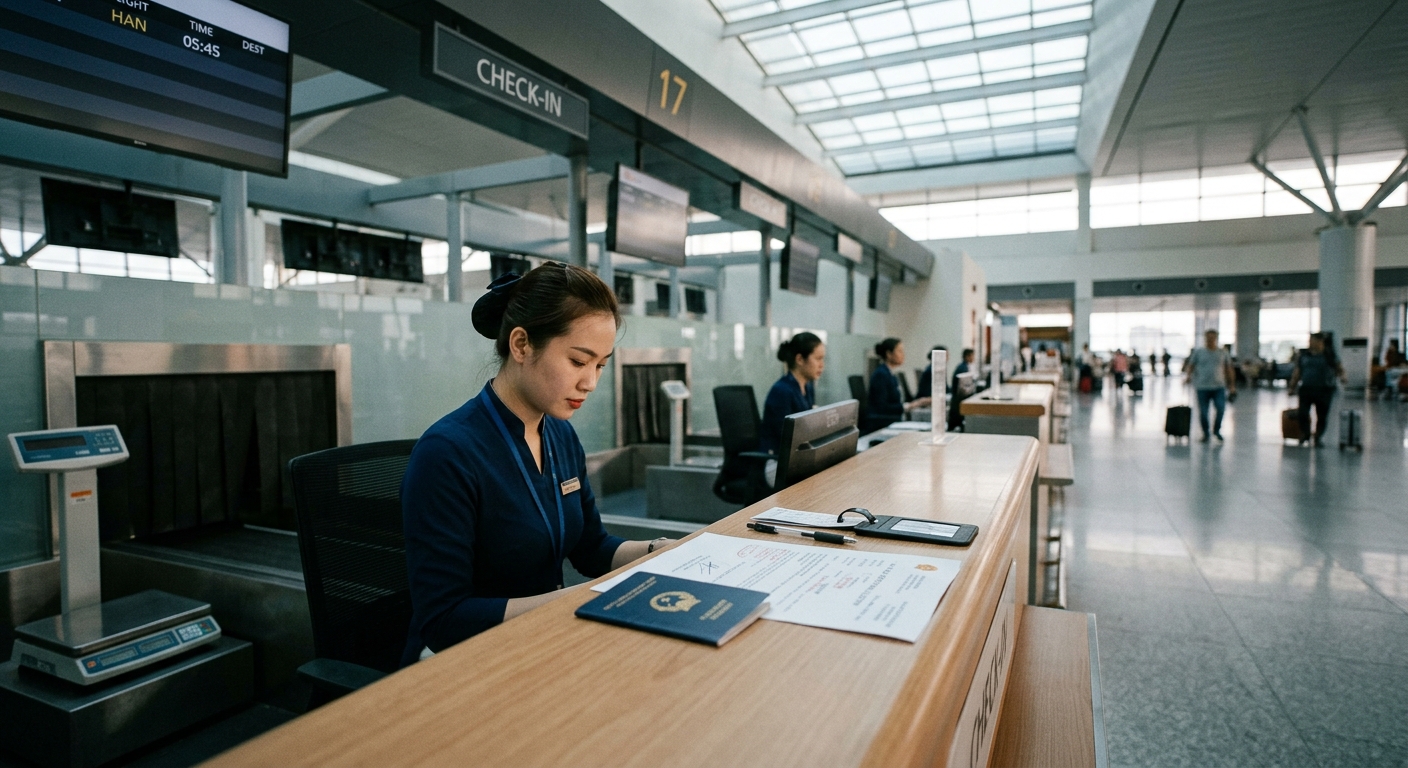
Visa processing fees should be factored into your initial budget. As of 2025, the official e-visa fee remains stable, but relying on third-party services can add variable costs depending on the urgency of your application. When you arrive at your port of entry, such as Noi Bai or Tan Son Nhat, ensure you have your printed visa approval letter ready. Immigration officers expect clear documentation, and having your paperwork organized prevents unnecessary delays. While the official government portals are the primary point of entry for applications, many travelers choose services that offer status tracking to avoid the anxiety of processing backlogs during peak travel seasons.
Daily living costs for long-term stays or digital nomads differ significantly from short-term tourism. If you choose to rent a serviced apartment in a district like Tay Ho or District 2, expect to pay between $500 and $900 per month, depending on the amenities. Electricity, high-speed internet, and water are usually inexpensive, adding roughly $50 to $100 to your monthly overhead. When dining out, local markets offer fresh produce at a fraction of Western prices, allowing you to maintain a healthy diet without exceeding a modest daily food budget. The shift toward digital payments in Vietnam has also made managing expenses easier, as most vendors now accept QR code transfers, reducing the need to carry large amounts of cash.
Budgeting for 2026 requires accounting for the slight inflation in the hospitality sector. While the cost of living remains low by global standards, premium services in popular tourist zones have seen price adjustments. Prioritizing your spending on experiences rather than accommodation often yields the best value. By booking flights and internal travel during shoulder seasons, you can redirect your funds toward high-quality regional tours or extended stays in quieter coastal towns. Ultimately, your total expenditure depends heavily on your lifestyle choices, but $1000 per week remains a generous baseline for almost any traveler visiting the country.
Frequently asked questions
Is $1000 enough for a week in Vietnam?
A budget of $1000 for one week is substantial and allows for a high-end experience. You can comfortably afford luxury boutique hotels, daily domestic flights, private tours, and premium dining options. Most travelers find that this amount exceeds their actual daily spending, leaving plenty of room for shopping and unexpected excursions throughout the country.
Is $4000 a month good in Vietnam?
Earning or spending $4000 a month places you in the upper tier of living standards in Vietnam. This budget allows for a luxury lifestyle, including high-end serviced apartments in prime city locations, daily fine dining, frequent travel, and premium amenities. You will live comfortably without needing to monitor daily expenses or track smaller costs.
What’s the best month to visit HCMC?
The best time to visit Ho Chi Minh City is during the dry season, specifically from December to February. During these months, the humidity is lower, and the weather is consistently pleasant for walking tours. You avoid the heavy monsoon rains that characterize the summer months, making it ideal for exploring outdoor markets and historical sites.
Which month to avoid Hanoi?
You may want to avoid visiting Hanoi during July and August. These months experience the highest rainfall and extreme humidity, which can disrupt outdoor plans and city exploration. Additionally, the intense heat during mid-summer can make walking around the Old Quarter quite uncomfortable, especially for those not accustomed to tropical climates and heavy downpours.
Which is the cheapest month to fly to Vietnam?
The cheapest months to fly to Vietnam are generally May, September, and October. These shoulder months fall outside the peak travel seasons of Tet and the summer holidays. By booking during these periods, you can often secure significantly lower airfares and find better deals on accommodation as tourist numbers are lower across the country.