When visiting Hanoi, do not miss a morning walk around Hoan Kiem Lake, a bowl of authentic bun cha in the Old Quarter, and a visit to the Temple of Literature. Exploring the narrow, bustling streets of the historic district and witnessing the nightly flag-lowering ceremony at the Ho Chi Minh Mausoleum are essential.
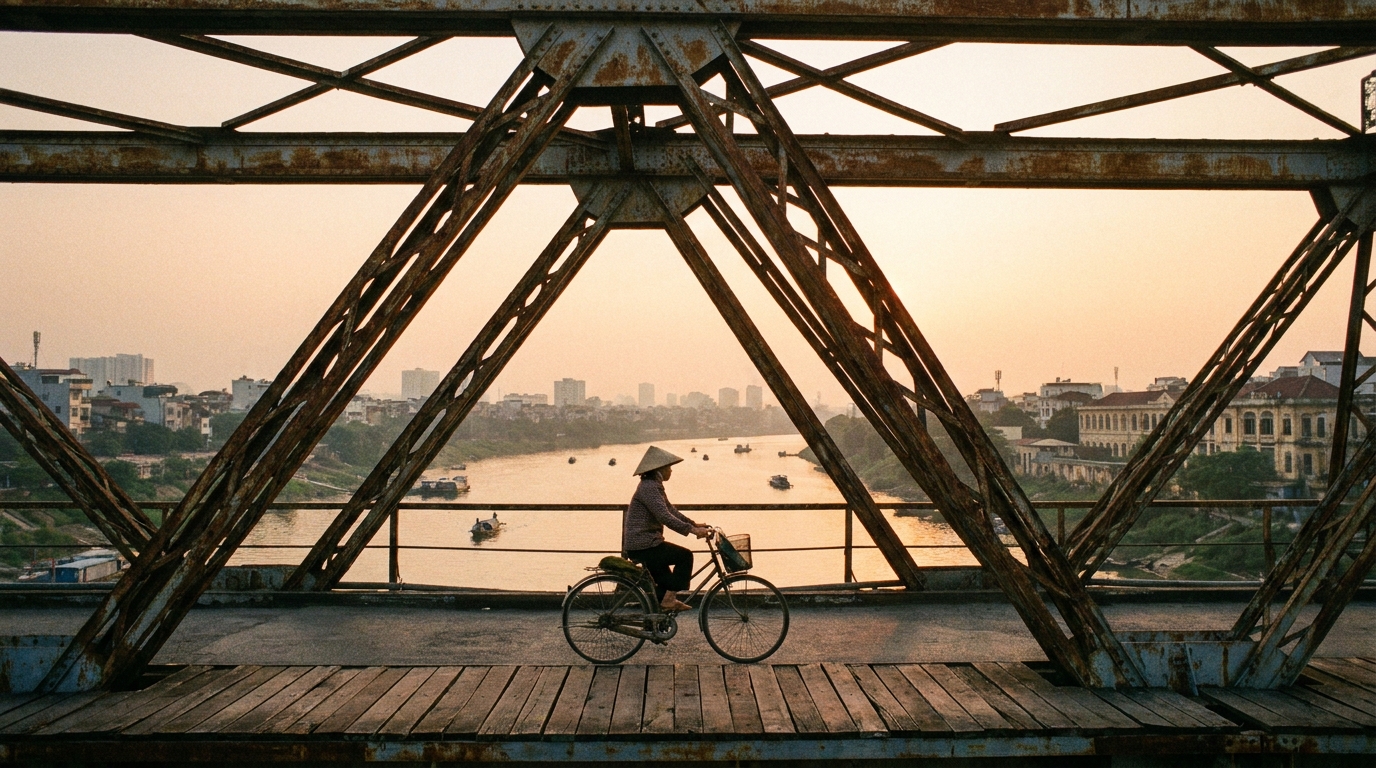
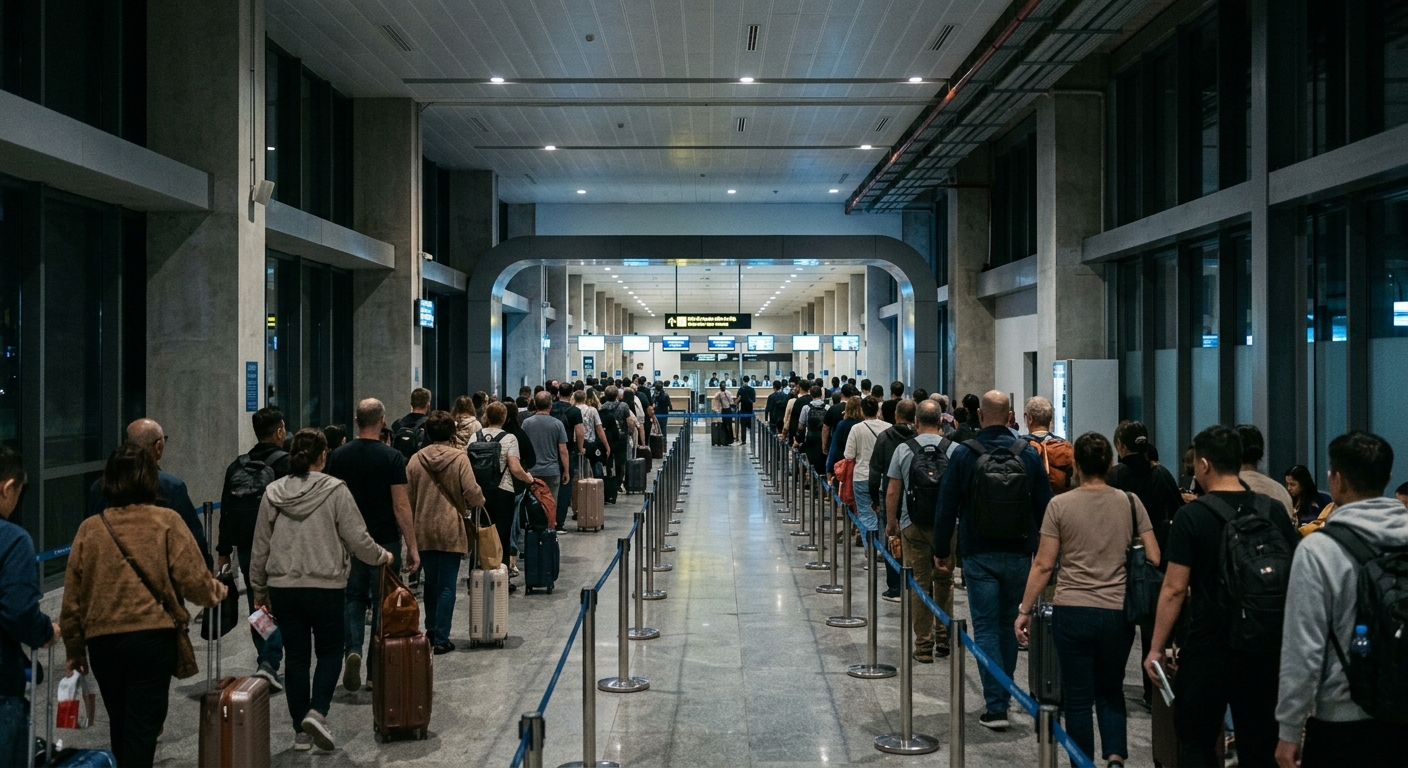
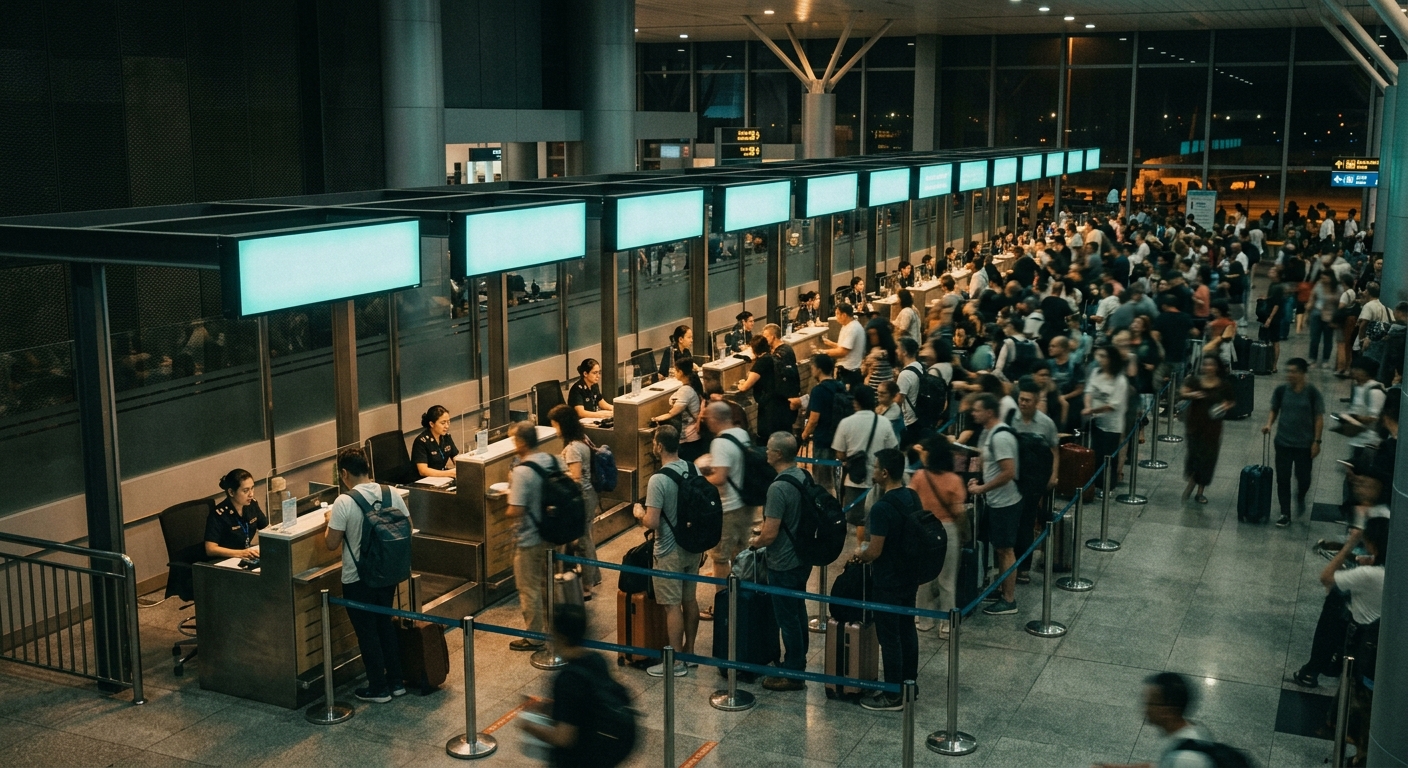
Hanoi operates at a frantic, captivating pace that rewards those who arrive prepared. As of 2026, the city remains the cultural heart of northern Vietnam, though the influx of international travelers has made early morning exploration the most effective way to see the city. When you land at Noi Bai International Airport, have your e-visa printout ready alongside your passport. Immigration officers process thousands of arrivals daily, so ensuring your details match your travel documents exactly prevents unnecessary delays at the port of entry.
Navigating the city requires a balance of patience and observation. The traffic is a constant flow of motorbikes, and crossing the street is an art form that involves maintaining a steady, predictable pace rather than stopping abruptly. While the digital landscape in Vietnam is advancing, carrying a mix of local currency and digital payment options is standard practice for 2026. Most street vendors and small shops still operate strictly on a cash basis, while larger establishments in the French Quarter increasingly accept mobile payment platforms.
When planning your itinerary, consider the seasonal weather patterns. Hanoi experiences distinct shifts, with humid, sweltering summers and cool, damp winters. Many travelers find that visiting between October and December offers the most manageable climate for walking. If you are heading to government offices for permit extensions or specific documentation, aim for early morning hours before the midday heat and peak office traffic. Local officials typically process paperwork during standard business hours, but local holidays can significantly disrupt these schedules, so check the lunar calendar before finalizing your plans.
Food culture in Hanoi is best experienced on the sidewalk. Small plastic stools are not just furniture; they are the primary seating for some of the best meals you will encounter. Look for stalls that specialize in one or two dishes, as these locations often have the freshest ingredients and the highest turnover. While the city is safe, standard travel precautions apply. Keep your belongings secure in crowded areas, especially around the night markets. By respecting local customs, such as dressing modestly when visiting religious sites and maintaining a polite demeanor when dealing with local authorities, you will find the city far more accessible. The reality of travel in 2026 involves staying flexible, as infrastructure projects and urban developments can change the accessibility of certain districts overnight.
Frequently asked questions
What not to miss when visiting Hanoi?
Prioritize a walk through the Old Quarter to see traditional tube houses, followed by a visit to the Temple of Literature. Do not skip a coffee break at a cafe overlooking Hoan Kiem Lake or a visit to the Vietnam Museum of Ethnology for a deeper understanding of the country’s diverse cultural heritage.
Do and don’ts in Vietnam?
Do dress modestly when entering pagodas or temples, covering your shoulders and knees. Do use both hands when handing over money or business cards to show respect. Don’t touch people on the head or point your feet toward religious altars or people, as these gestures are considered highly offensive in local culture.
How to carry cash in Vietnam?
Carry a mix of small and large denominations of the Vietnamese Dong in a secure, discreet wallet or money belt. While ATMs are widely available in cities like Hanoi and Ho Chi Minh City, keep enough cash on hand for daily street food and market purchases where card terminals are rarely available.
Where to go for street food in Hanoi?
The Old Quarter is the epicenter of street food, particularly around Hang Buom and Ma May streets. For the most authentic experience, look for crowded stalls with limited menus near the night market area. These spots serve traditional dishes like pho, bun cha, and banh mi to locals and travelers alike.
Which is the best floating market in Vietnam?
Cai Rang floating market in Can Tho is widely considered the best and most active in the Mekong Delta. It is best visited at sunrise when wholesale trade is at its peak. The market provides a genuine look at river life, though it is located significantly south of Hanoi in the Mekong region.